Southeastern US Construction Market Booms with $1.2 Billion Skanska Data Center Deal
Published Aug 21, 20261,002 readers
Construction firms are securing major contracts, highlighted by Skanska's $1.2 billion data center project in the Southeastern US, set for 2026.
Major Contracts and Projects in Construction News
It’s clear that construction firms are busy securing significant contracts and completing substantial projects. Skanska, the Swedish construction giant, has locked in a staggering $1.2 billion deal to construct four new data centers in the Southeastern United States. This project, which will encompass approximately 808,000 square feet, includes both the shell and interior fit-out for essential technical spaces. Data centers are critical for supporting the ever-increasing demand for digital storage and computing power, driven by trends like cloud computing and artificial intelligence. With construction slated to kick off in the third quarter of 2026, the expected completion date falls in Q3 of 2028—two full years from the start, a timeline typical for such extensive undertakings.
Data centers aren't just about building structures; they require significant technical infrastructure and often have substantial energy needs. Skanska's involvement in this multi-billion dollar venture highlights the industry's strategic pivot towards large-scale data solutions. You have to wonder, will the market sustain such rapid growth? Analysts argue that as tech companies continue expanding, this demand might not only persist but grow, urging construction firms to keep pace.
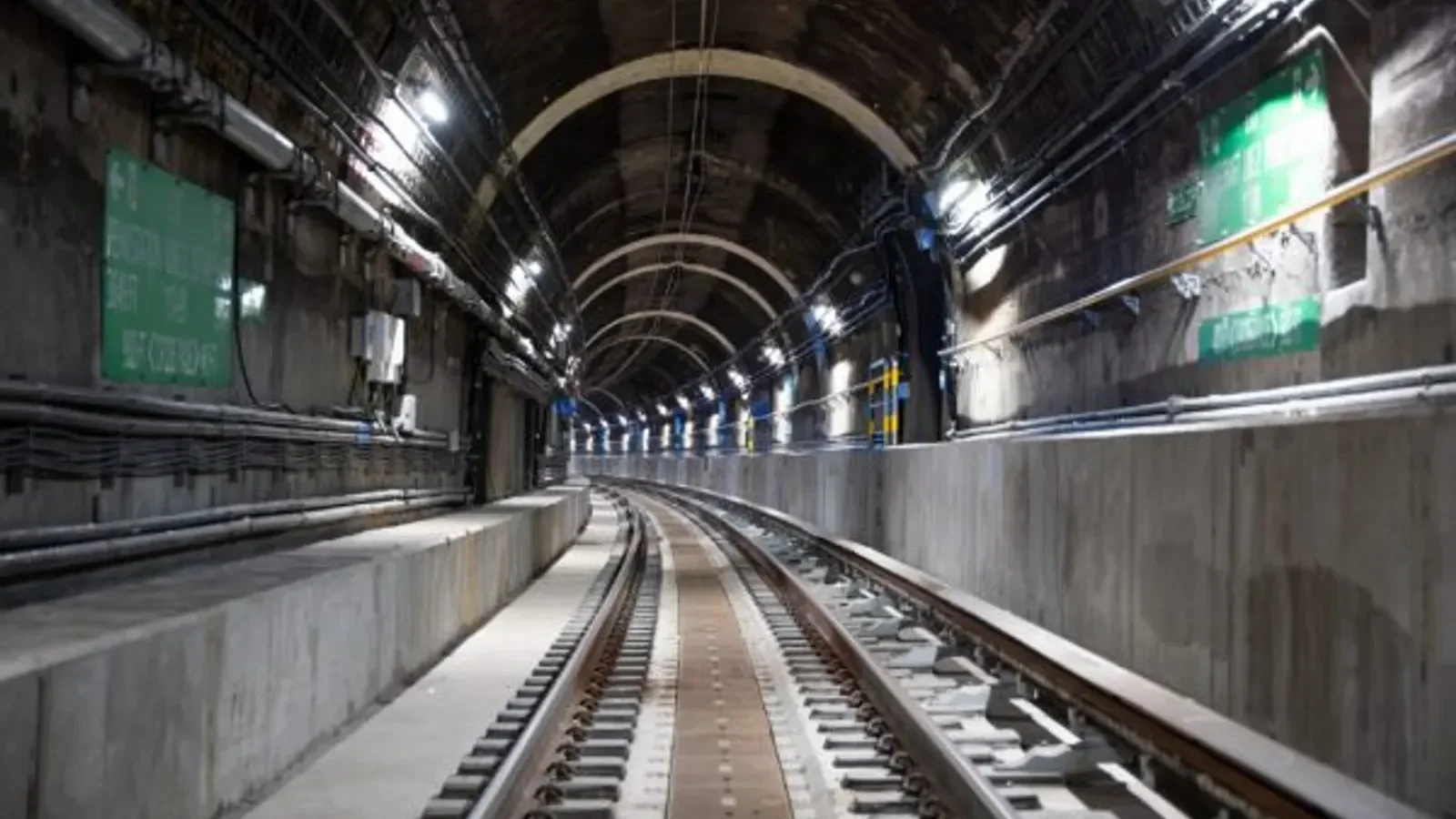
Similarly, Amtrak has announced the completion of the first phase of its $1.6 billion East River Tunnel Rehabilitation project. This marks a significant milestone as the East River Line 2 has officially reopened. Notably, this phase faced delays after construction workers found voids during catenary installation, requiring additional engineering adjustments. Such situations aren't uncommon in large infrastructure projects. Overlooking minor details can lead to significant delays and cost overruns, a reality that has plagued many nationwide projects. Amtrak's extensive refurbishment included the replacement of over 24,000 feet of rail and other essential structural components, essential for maintaining this critical link in the Northeast Corridor. The concluding phase of this rehabilitation is set to begin this fall, aiming for a 2027 completion. With the East River Tunnel critical for commuter traffic, ensuring its operational integrity is more than just a logistical challenge—it's a public service imperative.
Auburn University and the Air Force's Timber Initiative
On another innovative front, Auburn University is joining forces with the U.S. Air Force to create mass timber barracks designed for quick assembly and enhanced cold-weather performance. This marks a notable departure from traditional military housing strategies, which typically rely on light wood-frame construction that can take days to assemble on-site. The shift towards using mass timber is not just about aesthetics; it addresses numerous logistical issues. For instance, engineered wood products often provide better thermal performance, which can be crucial in extreme weather conditions.
According to Professor David Roueche, this move towards prefabrication could significantly reduce assembly time when rapid shelter deployment is imperative. Military operations often require immediate solutions, and the faster these structures can be erected, the better prepared the military is to respond to emergent conditions. While initially, it may seem a straightforward solution, the implications are deep-rooted. For one, this approach could lead to enhanced operational efficiency for the Air Force, saving time and resources during critical developments.
This collaboration indicates a growing propensity for academia and military operations to work hand-in-hand, generating innovations that could resonate far beyond their initial purpose. What’s striking here is the emphasis on sustainable materials in military applications, which may seem somewhat contradictory but reflects broader trends in environmental responsibility.
Implications and Future Outlook
With multiple firms in the construction sector not only securing lucrative contracts but also innovating in their projects, the industry is undoubtedly navigating a pivotal moment. The implications are profound: the path to growth is busy with opportunities, yet it’s fraught with challenges that demand quick adaptation and strategic foresight. If you’re working in this space, you have to consider how market trends—like the increasing reliance on technology and the push for sustainable materials—will shape both projects and client demands.
Moreover, companies are increasingly pressured to adapt to regulatory changes around sustainability and construction practices. The stakes are high, and firms that fail to keep pace may find themselves at a disadvantage. As building practices evolve, those firms embracing innovation, from using advanced materials like mass timber to integrating tech-savvy solutions in construction, will likely gain a competitive edge. And yet, while firms rush to innovate, they should also remain vigilant. The balance between agility and quality control is delicate; cutting corners for speed can lead to long-term consequences.
In summary, the current wave of major projects—whether data centers or military housing—demonstrates that construction is not merely about building; it’s about building smart. This sector stands at a crossroads where traditional practices meet the pressing demands of a changing world. It'll be fascinating to see which firms adapt well and which ones falter in the face of mounting pressures and expectations.
Discussion
Sign in to join the discussion.