July saw a 25.6% rise in construction project starts, driven by megaprojects, revealing a volatile market reliant on high-value initiatives.
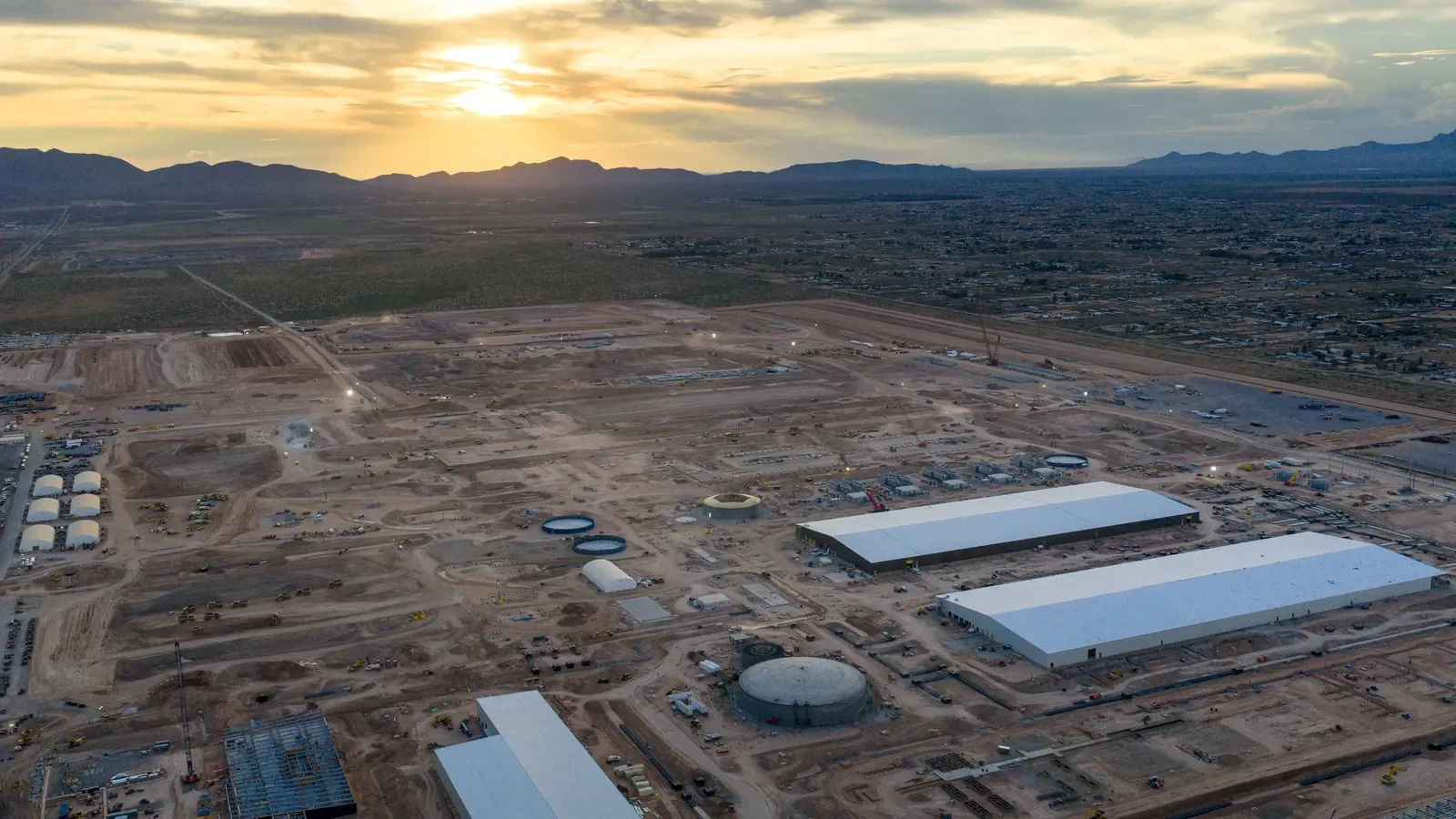
Construction Market Sees Volatility Amid Megaproject Surge
The construction sector experienced a significant rebound in July, marked by a staggering 25.6% increase in project kickoffs compared to the previous month, leading to a seasonally adjusted annual rate of approximately $1.79 trillion. This surge follows a sharp decline of 19.9% in June, as noted by the Dodge Construction Network. Such fluctuations illustrate the inconsistencies within the market, heavily influenced by the ebb and flow of large-scale megaprojects. Understanding these metrics is crucial, not just for industry insiders, but for anyone affected by construction trends.
The Impact of Megaprojects on Market Volatility
Construction markets are notoriously cyclical, and the latest data underscores this reality. Megaprojects, generally involving hefty investments and extended timelines, can significantly sway monthly statistics, as they're not uniformly distributed throughout the year. When these large projects ramp up, they can push overall numbers skyward, as seen in July. Conversely, when they stall or are delayed, it can lead to sharp declines. Companies working in this space—contractors, suppliers, and even financiers—must brace themselves for this kind of unpredictability.
Eric Gaus, chief economist at Dodge Construction Network, commented on this phenomenon, stating, “Megaproject driven volatility headlines a disjointed construction market.” His insights highlight that while certain sectors—like multifamily housing, data centers, and energy projects—show robust growth, others are struggling to maintain stability. This disparity points not just to an uneven recovery, but to the growing dominance of certain project types over others, amplifying the need for stakeholders to diversify their portfolios or risk being caught flat-footed when a megaproject comes crashing down.
Sector Trends Under Scrutiny
Specific sectors within the construction industry are experiencing varied trajectories, painting a complex picture. The nonresidential construction category displayed a mix of performance indicators in July. For instance, healthcare project starts fell dramatically by 59.7%, while hotel groundbreakings plummeted 51.5%. These declines signal broader economic concerns. If hospitals aren't expanding or upgrading their facilities, it raises questions about healthcare investments in the coming years. Similarly, a significant drop in hotel construction points to a cautious approach to tourism and hospitality— sectors that have yet to fully recover from the pandemic.
Yet, despite these declines, the overall nonresidential sector witnessed a robust recovery with a 57.7% increase month over month. This positive shift was driven largely by significant investments in data centers and manufacturing, which surged by about 108% and an astonishing 278%, respectively. It suggests a paradigm shift where technology-driven projects are outpacing traditional construction needs, further complicating the industry dynamics. The rise of remote work and digital services seems to be pushing companies to prioritize infrastructure that can support tech requirements over more conventional commercial properties.
Concerns About Market Dependence
This pattern underscores a concerning trend: the construction market is increasingly reliant on a few high-value projects to drive growth, while many other sectors flounder. Here’s the thing: if this reliance continues, it risks creating a fragile market that is vulnerable to sudden shifts in funding and project initiation. Stakeholders might find themselves grappling with a boom-bust cycle that can hinder long-term planning. Consider how the landscape might shift if a few key investors pivot to other sectors. The ripple effect could be devastating for smaller firms and contractors who depend on steady project flow.
For stakeholders, adapting strategies to navigate this volatility is becoming increasingly essential as the dynamics at play are anything but predictable. Companies need to be agile, seeking out diverse project opportunities and developing expertise across various sectors to mitigate risk. The implications extend beyond mere financials; job stability, community investment, and regional growth hinge on the health of the construction market.
Implications and Future Outlook
The current trajectory suggests that the construction sector could face ongoing instability rooted in its dependence on megaprojects. Such a heavy reliance could lead to heightened sensitivity to economic shifts, funding alterations, or even policy changes. If you’re working in this space, keeping an eye on market signals will be essential for anticipating where new opportunities may arise. The question looms: will the industry find balance or remain skewed towards the boom-bust cycles dictated by large-scale initiatives?
Moreover, the shift toward data-centered and tech-oriented projects highlights a broader transformation in construction priorities. Future policy considerations may lean toward encouraging infrastructure that supports technological advancement, leading to new opportunities but also new challenges for traditional sectors like hospitality and healthcare. The road ahead seems uncertain, but one thing's clear: those prepared to adapt will stand a better chance of weathering the storms of volatility. And this is the part most people overlook. The importance of flexibility in operations cannot be overstated. Only time will tell how the ripple effects of this current megaproject surge unfold.
Discussion
Sign in to join the discussion.