Federal Reserve officials express increasing concern about inflation, hinting at the necessity for potential interest rate hikes in the near future.
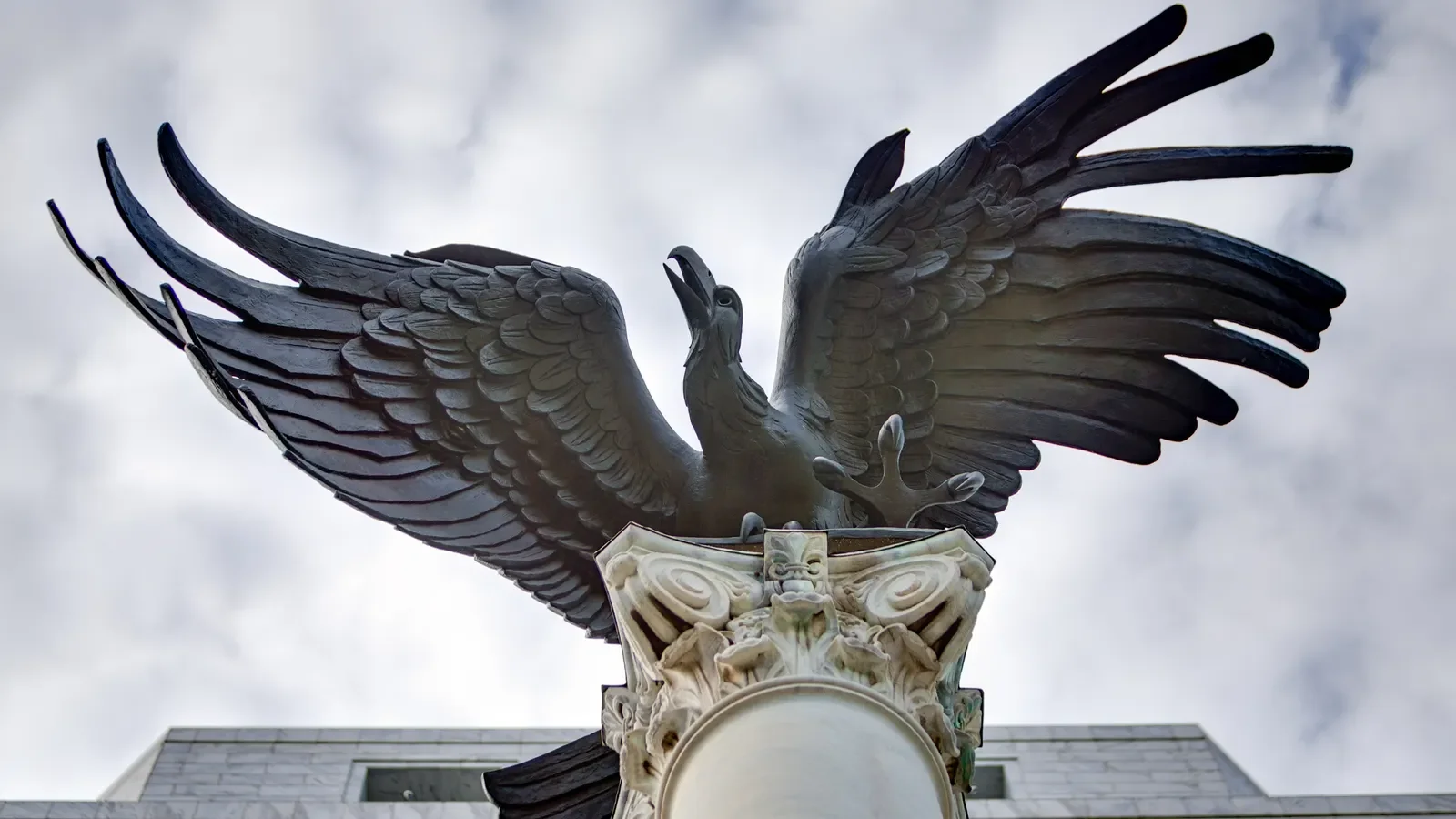
Officials from the Federal Reserve have signaled growing unease over persistent inflation, which could necessitate a rise in the benchmark interest rate, according to the minutes from their recent meetings held on July 28-29. Released on Wednesday, these minutes highlight that a majority of policymakers view the economy as stable enough to support potential rate hikes.
Rising Inflation Risks
Minutes from the meeting reveal that inflationary pressures remain a significant concern among many Federal Reserve officials, extending beyond the three dissenting votes who favored a quarter-point rate increase from the current range of 3.5% to 3.75%. They pointed out that “many participants highlighted the possibility that, after several years of inflation above 2%, continued elevated rates could influence inflation expectations as well as wage and price-setting behavior.” This sentiment underscores a crucial point: when people and businesses expect inflation to stay high, it can become a self-fulfilling prophecy.
Central banks, including the Federal Reserve, often walk a fine line between encouraging economic growth and keeping inflation in check. If inflation expectations become entrenched, the Fed might find itself in a situation where raising rates could destabilize businesses and spending patterns, further complicating the economic picture. This risk is particularly apparent given the unique dislocations caused by the COVID-19 pandemic, which disrupted supply chains while simultaneously altering consumer behavior.
Price Trends and Economic Health
Despite the concerns, recent data suggest some easing in price pressures. The consumer price index, excluding the more volatile food and energy sectors, recorded an annual increase of 2.5% for July, a slight decline from the 2.6% gain in June. When including all items, inflation increased by 3.4%, down from 3.5% in the previous month, indicating some stabilization. What does this really mean? A gradual decline in inflation could signify that consumers and businesses are beginning to adapt to new economic realities.
Ed Yardeni, president of Yardeni Research, pointed out that recent labor demand and consumer spending figures suggest that the economic fundamentals are strong enough to justify considering a rate hike. “July’s subdued inflation readings support their case for holding rates steady at the upcoming monetary policy meeting set for September 15-16,” he noted. However, it’s essential to interpret this data within a broader economic context. For many sectors, recovery remains uneven, and certain areas may still be feeling the pains of higher prices more acutely than others. This fragmentation can complicate the Fed's decision-making process, making a one-size-fits-all approach risky.
Divergent Views Among Officials
However, the minutes also showed that the decision to maintain the current rate was not unanimous, with Cleveland Fed President Beth Hammack vocalizing the need for immediate action to address above-target inflation. She emphasized the importance of moving towards the 2% target, citing the risks of entrenched inflation affecting economic behavior. This divergence among Fed officials is significant because it reflects a broader debate about the best approach to monetary policy during uncertain times.
The discourse illustrates a split among officials. Some argue for patience, citing recent trends that seem to lend support to the argument for maintaining the status quo, while others recognize the persistent challenges the economy faces due to inflation. What this means for you is that the Fed's emerging consensus—or lack thereof—could mean bumps in the road ahead, regardless of which path they ultimately choose.
Future Implications
In addressing the inflation scenario, Fed Governor Lisa Cook has also weighed in, stating, "Inflation is too high,” reflecting a long-standing concern, especially in light of five years of rates exceeding the target. She warned that if this trend continues, the risk of achieving elevated inflation becomes part of wage and price-setting dynamics, making future interventions more complex. This is critical because inflation increasingly becomes a market expectation. If businesses start to factor in ongoing inflation into their pricing strategies, any policy change may not be effective in curbing those rising costs.
The upcoming meetings will likely focus on balancing these differing perspectives as inflation remains a pivotal issue. As policymakers reconcile data-driven insights with the evolving economic climate, stakeholders across the board will be watching closely for their next moves. Will they opt for caution or take decisive measures? And this is the part most people overlook: each decision carries weight, manipulating not just economic levers but also shaping public perception regarding the Fed's credibility and awareness of real-life issues surrounding inflation. Keeping a watchful eye on these dynamics will be key for anyone involved in economic planning or real estate, where interest rates significantly impact buyer behavior.
Moving Ahead: The Road to Stability
The Fed is at a crossroads. A rate hike may curb inflation, but it could also slow growth in a fragile recovery. If you're working in this space, you need to be prepared for volatility. The dichotomy between officials will shape future discussions, with potential implications for how long borrowers might face higher interest rates or whether the housing market, for one, could feel the pinch of increased borrowing costs before stabilizing.
If inflation continues to defy expectations, the Fed may find it increasingly difficult to strike the right balance. This is more significant than it looks: while inflation seems to be easing slightly, the forces driving it still pose risks that need to be managed carefully. Stakeholders from various sectors must remain vigilant, as the ramifications of the Fed's decisions will resonate throughout the entire economy for years to come.
Discussion
Sign in to join the discussion.