The FAA is directing $870 million to upgrade airport infrastructure across 44 states and two territories, enhancing safety and efficiency in air travel.
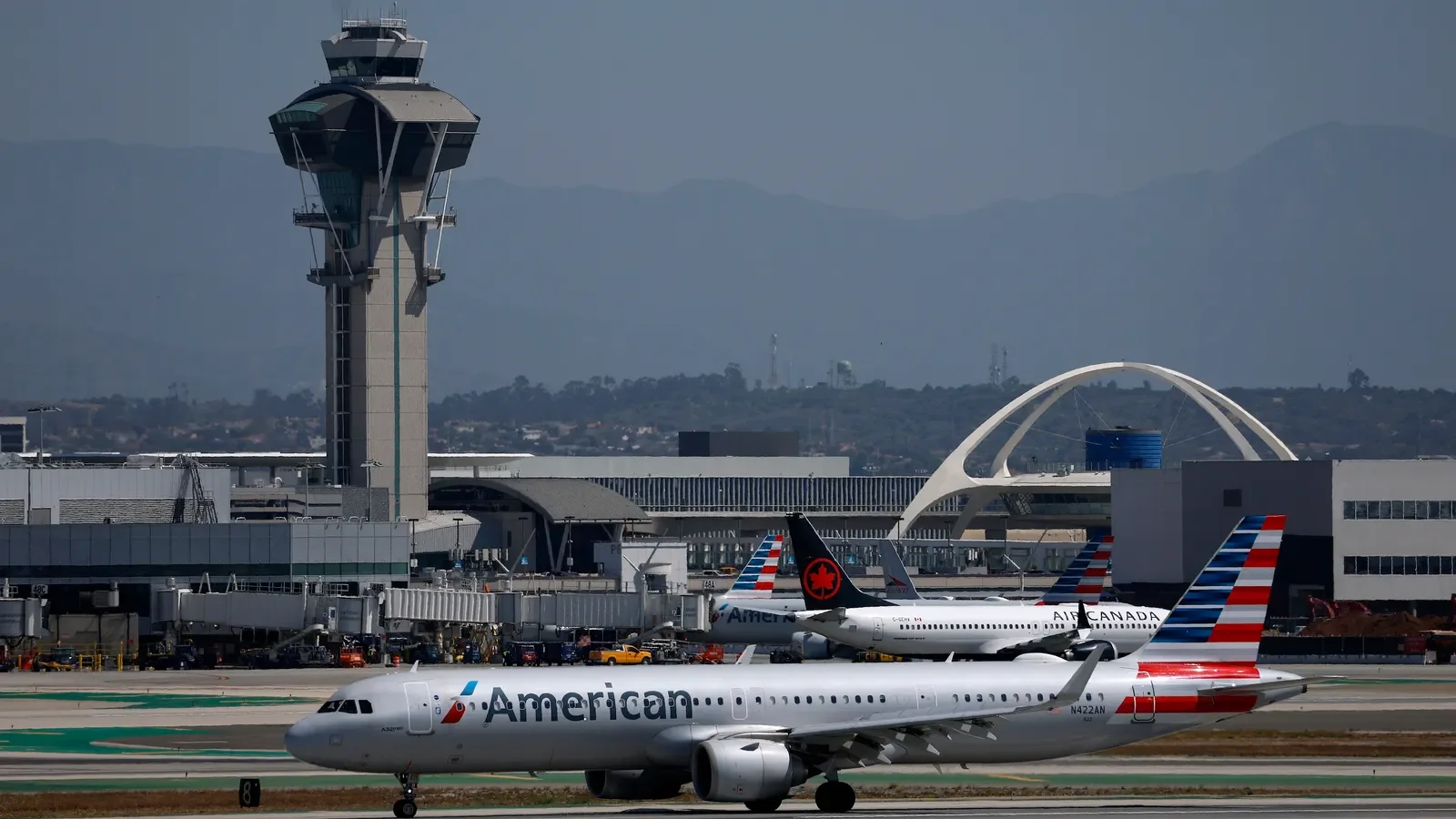
In a significant investment for the aviation sector, the Federal Aviation Administration (FAA) has earmarked $870 million for airport infrastructure improvements across the United States. This funding will facilitate 339 grants aimed at enhancing airports in 44 states and two territories, as part of the broader Airport Infrastructure Grants program established under the $1.2 trillion Infrastructure Investment and Jobs Act.
Overview of Funding Distribution
The FAA's latest announcement, made on August 4, 2026, reveals that this is the fifth and final distribution of funds, totaling $2.89 billion for U.S. airports in the fiscal year. The grants can be utilized for various purposes including planning, terminal enhancements, and upgrades to critical safety-related infrastructure. These allocations are crucial because they align with ongoing conversations about the future of air travel, especially as demand continues to rise following a pandemic-induced slump.
This funding not only provides immediate relief to airport budgets but also positions them for long-term improvement. Airports have faced mounting pressures to modernize facilities and accommodate evolving passenger expectations, so this support comes at a pivotal time. Given the stringent timelines and regulatory requirements surrounding these grants, airports will need to act quickly to ensure that projects stay on track and funding is fully realized. This is more significant than it looks; with the airline industry still in recovery mode, a seamless process in accessing these funds can make all the difference.
Highlighting Key Projects
This round of funding includes substantial allocations for several notable projects. For instance, Los Angeles International Airport is set to receive $289.35 million for developing a new terminal access road, a project that not only promises to alleviate congestion but also reflects the airport’s efforts to enhance passenger flow and safety. Additionally, Miami International Airport will obtain $50 million earmarked for the reconstruction of its terminal roof, a crucial upgrade for maintaining safety and operational efficiency. Other significant awards include $69.11 million for Denver International Airport and $47.89 million for improvements at Chicago O’Hare International Airport.
These projects speak to the diverse challenges airports face today. From structural improvements to technological upgrades, each grant reflects specific needs that could impact air travel. Such investments aren’t just about fixing problems; they’re about anticipating future demands. Travelers are looking for experiences that are not only convenient but also safe and enjoyable. Improved ground access routes and terminal functionality are areas that can dramatically affect how airports manage the flow of passengers. (And this is the part most people overlook.) They don't just contribute to operational efficiency but play a part in customer satisfaction and loyalty to airlines using those facilities.
Impact of the Infrastructure Investment and Jobs Act
As the Infrastructure Investment and Jobs Act approaches its five-year authorization conclusion, the implications of these awards are far-reaching. The funding enhances airport infrastructure nationwide, making air travel safer and more efficient. With funding already authorized, disbursements will continue even if new legislation isn't passed upon expiration of the act on September 30, 2026. You’d think this would lead to a sigh of relief among airport administrators, and in some ways, it does—knowing that they won’t face an immediate funding cliff means they can plan ahead.
However, the looming question is how governments will sustain this kind of funding long-term. The Infrastructure Investment and Jobs Act has brought significant financial resources to the table, but will future administrations prioritize such investments? The unpredictability of political environments can make long-term planning challenging for airports. What this means for you, whether you’re in management at an airport or in the aviation industry, is an urgent call to engage with policymakers. Building a case for continued investment is essential, positioning the dialogue around the economic benefits of robust airport infrastructure.
Statements from FAA Officials
According to Transportation Secretary Sean Duffy, investing in airports ensures that Americans will experience smoother and more reliable travel. FAA Administrator Bryan Bedford echoed this sentiment, emphasizing that the swift distribution of grants is essential to meet the growing demand for air travel. A total of $14.5 billion has been allocated through the Airport Infrastructure Grants program since fiscal 2022, reflecting the administration's commitment to modernize airport facilities across the country. This indicates a stronger federal recognition of air travel as not just a luxury but a necessity in today’s interconnected economy.
The statements from these officials underline a broader narrative: while the funding is significant, it's the execution that's critical. Whether or not these improvements translate into noticeable upgrades for travelers hinges on how effectively airports can implement these funds. If you're working in this space, keeping a keen eye on these developments—and the accompanying timelines and regulations—will be key to understanding the landscape of airport operations over the coming years.
Implications and Future Outlook
Looking ahead, the implications of this funding extend beyond immediate improvements. Enhanced airport infrastructure could potentially set the stage for better connectivity, increased tourism, and even job creation in local communities. Airports serve as critical economic engines, and their modernization is likely to attract additional investment and development. Yet, without a clear strategy for sustainable funding beyond the current infrastructure act, there’s a fragility to this progress that can't be ignored.
As we approach 2026, the aviation sector faces challenges including fluctuating travel patterns and the need for ongoing safety enhancements. The current momentum built from these grants is something stakeholders must leverage to advocate for ongoing financial support. If airports can effectively demonstrate the value derived from these investments, they may stand a chance at ensuring similar funding streams in the future. Growth in the aviation market might depend not just on passenger numbers but also on how well airports can promote their changing landscapes—this narrative could help pave the way for more abundant resources moving forward.
Discussion
Sign in to join the discussion.