The Washington Commanders have chosen a joint venture of Clark Construction, Mortenson, and Smoot Construction for their new $3.8 billion stadium.
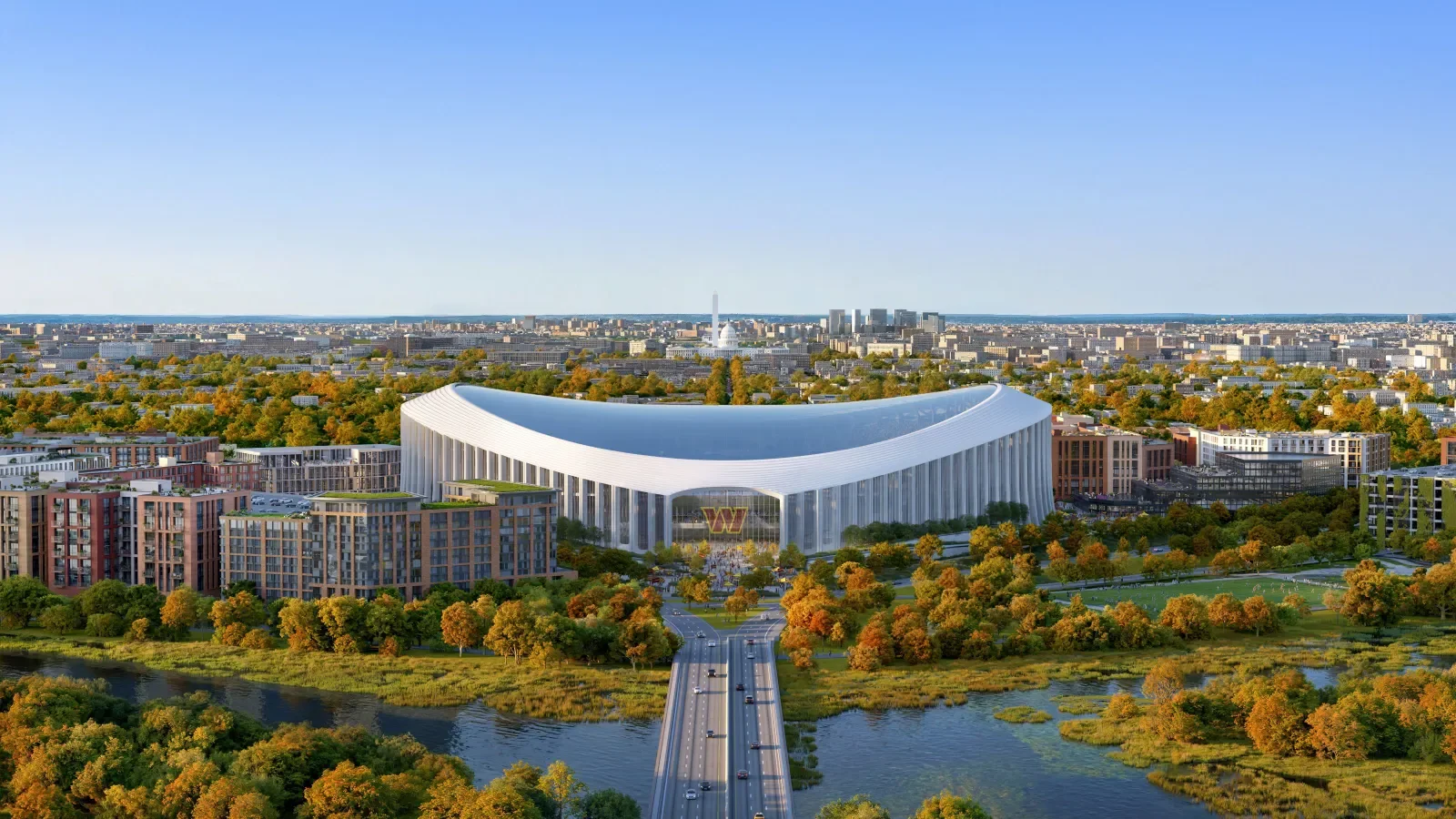
A significant milestone has been reached in the development of a new NFL stadium in Washington, D.C. The Washington Commanders announced the selection of a joint venture (JV) comprising Clark Construction, Mortenson, and Smoot Construction Company to undertake this ambitious project. The stadium will cover 1.8 million square feet on the site of the former Robert F. Kennedy Stadium, featuring approximately 65,000 seats in a fully enclosed environment.
Project Overview and Financial Details
Estimated at a total project cost of $3.8 billion, the stadium is set to anchor a sprawling 180-acre campus intended for over 200 annual events, including global sporting competitions, concerts, and festivals. Though the Commanders have detailed substantial investments, the funding mix remains a point of contention. D.C. Mayor Muriel Bowser confirmed that the Commanders will invest at least $2.7 billion into the project—marking the largest private investment in the history of the District. The city will contribute $1.1 billion to the funding, as reported by AP News. This sort of public-private partnership raises questions about long-term returns and the chances of taxpayer money remaining protected against potential cost overruns or revenue shortfalls.
The scale of the project reflects the desire to not only revitalize a historic location but also expand the economic footprint of the NFL in the area. The fact that the stadium will host more than 200 events annually sets high expectations for both attendance and tourism, possibly reinvigorating local businesses. And yet, this model has faced scrutiny in cities across the United States, with critics often pointing to delays and budget issues as common pitfalls in such large undertakings.
Joint Venture Experience
Members of the selected JV bring extensive experience from high-profile sports and entertainment venues. Notably, Clark Construction, based in Bethesda, Maryland, has worked on notable projects such as Nationals Park and Capital One Arena, homes to major local sports teams. Lee DeLong, CEO of Clark's Capital Group, emphasized their commitment to delivering a world-class entertainment destination that will leave a lasting impact on the community. Given the firm’s local roots, this could provide a shortcut for feeling connected to the community's needs, translating to a more relatable development process.
Minneapolis-based Mortenson also boasts relevant credentials, having built the $1.9 billion Allegiant Stadium for the Las Vegas Raiders in collaboration with McCarthy. Logan Gerken, vice president and general manager of Mortenson Sports + Entertainment, highlighted the project as an opportunity to cultivate community and economic connections within the district. This assertion, while certainly optimistic, begs the question: Will the promised community engagement come to fruition, or will it fade as the project progresses? In many past ventures, local input often falls by the wayside under the pressures of budget and timeline requirements.
Timeline and Next Steps
Site preparation at the RFK location commenced in June, with full construction slated to begin in spring 2027. The project is anticipated to complete in spring 2030, encompassing not just the stadium but the wider campus development as well. This timeline outlines a crucial pathway for the Commanders to enhance their presence in the sports arena while contributing to the D.C. economy. However, given the history of major construction projects—especially ones involving multiple parties—the prospect of delays or cost overruns is real and sometimes underestimated.
What’s also notable is that achieving the proposed completion date depends heavily on factors both known and unknown. For instance, unforeseen regulatory hurdles could easily put the schedule at risk. Will the community be patient through the growing pains of such an extensive build? The timeline here isn’t just numbers on a page but a real reflection of when the local economy might see any benefits—and that’s the part most people overlook.
Implications for the Future
Beyond the immediate excitement, the implications of this project stretch into several uncharted territories. The new stadium could redefine not just sports entertainment in D.C. but also influence urban development trends across the United States. Cities are often left grappling with the aftermath of stadium bilaterals, and local leadership will need to stay vigilant to ensure that the interests of D.C. residents are prioritized throughout this high-stakes venture.
If you’re working in this space, it’s worthwhile to pay attention to how this project develops over the next few years. The involvement of established firms can signal a path toward accountability, though skepticism remains warranted. Public financing in private projects often invites scrutiny, and all eyes will be on how tax dollars are deployed alongside private investments. The collaboration on this scale is ambitious but comes with its own set of challenges around transparency and community involvement. For the residents, this could mean a dramatic shift in their interaction with the NFL, as the Commanders look to embrace a more engaged fanbase.
Overall, the collaborative effort of these construction leaders points toward a promising future, setting the stage for a venue that could transform the experience of sports and entertainment in the nation’s capital. But watch closely. The reality of its economic impact and community integration will only become clear as the project unfolds.
Discussion
Sign in to join the discussion.