Bally's has halted construction on its $1.7 billion casino project in Chicago due to disputes over new video gambling terminal regulations.
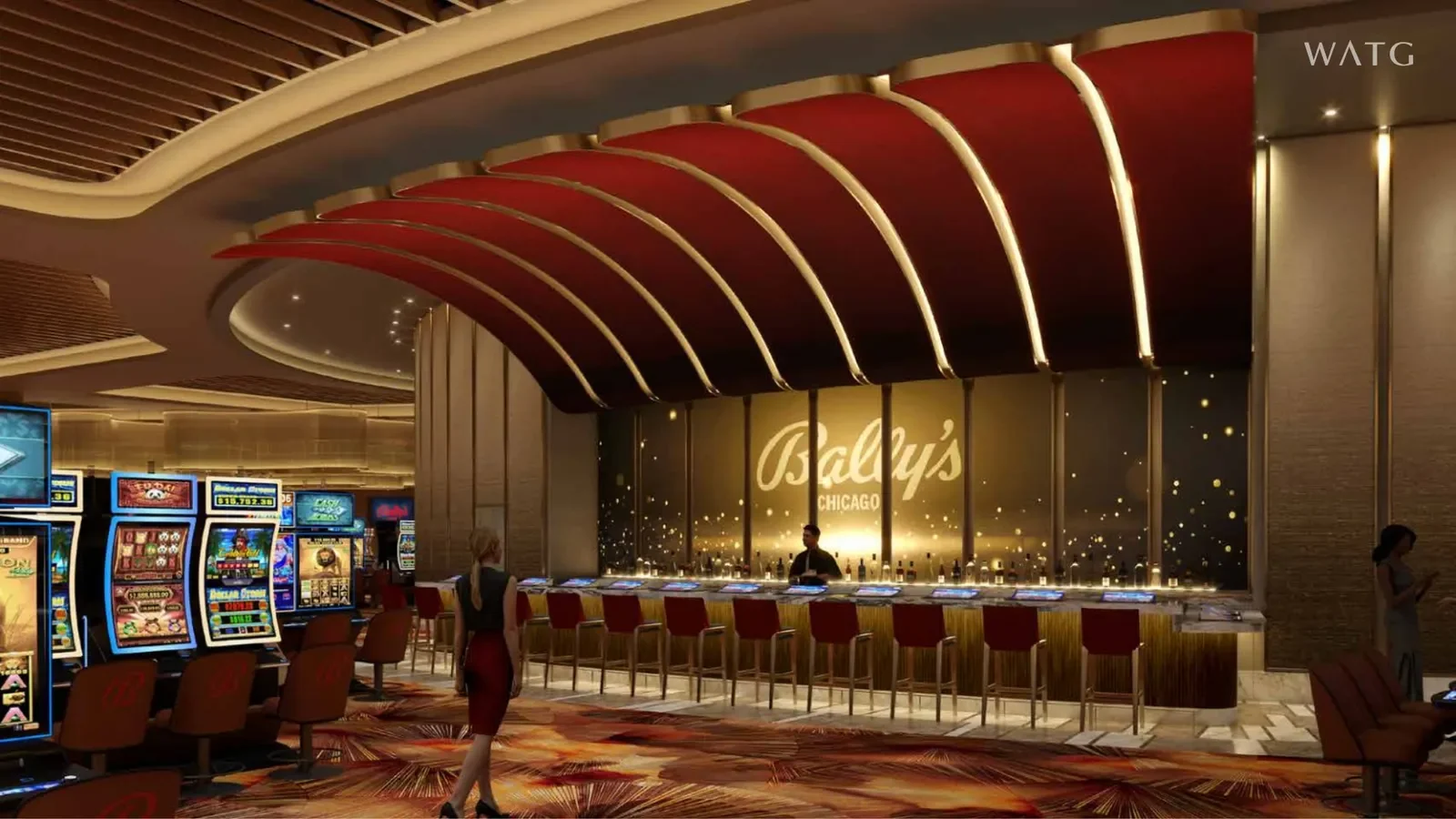
The momentum of Bally's $1.7 billion casino project in Chicago has hit a snag after the city approved video gambling terminals, which Bally's argues contravenes the terms of its Host Community Agreement established in 2022.
Construction Pace Adjusted
Bally's Chicago recently communicated to the Chicago Community Builders Collective, the construction team overseeing the project, that they will be "resetting the pace of construction" due to these regulatory developments, as reported by the Chicago Tribune. Various stakeholders involved in the project are now left wondering what this implies for future deadlines and budgets.
Construction projects of this scale often have a ripple effect, impacting local economies, particularly through job creation. With the adjustment in pace, this project risks straining the relationships Bally's has built with both construction teams and local community members, who were eager to see the benefits of the influx of jobs and economic activity.
The Core Dispute
The approval of additional video gambling terminals in Chicago, granted last fall, has become a central issue for Bally's. The casino operator believes this expansion undermines their previously negotiated agreements with the city, especially as revenue from these terminals is now accounted for in the city's 2026 budget. This situation raises questions about the regulatory environment facing gaming operations - an industry already prone to rapid changes that can greatly affect financial projections.
This isn’t just a disagreement over terms; it’s about the underlying nature of the competitive gaming environment in which Bally's operates. By permitting more gambling terminals, the city may be effectively diluting Bally's market share, which they were counting on as part of their projections. It’s clear that if Bally's feels their agreement is being compromised, they have every reason to reevaluate their approach and timeline.
Impact on Development
This slowdown will affect multiple planned construction elements, including a hotel, event center, and various dining establishments. Bally's acknowledged that around 1,500 union construction workers will face job disruptions as a result. The implications of this are significant — many of these workers rely on continuous employment for their livelihood. When projects experience delays, not only do budgets swell, but homes and lives can also be thrust into uncertainty.
Moreover, the project, encompassing a 30-acre site along the Chicago River previously housing the Tribune's printing operations, was initially greenlit in 2025. The casino complex's main structure topped out in April with great anticipation. That sense of progress is now overshadowed by regulatory and financial concerns, casting doubt on the previous enthusiasm surrounding the project. This instance reflects a broader trend in urban development; frequently, projects that promise to revitalize communities can become bogged down in red tape and unforeseen complications.
Future Intentions
Bally's stated they intend to stick to the casino's construction timeline, aiming for an opening in early 2027. They reaffirmed their commitment to upholding the Host Community Agreement despite the challenges faced by the ancillary aspects of the development. Whether or not they can actually manage to keep this timeline while battling regulatory obstacles remains to be seen.
The construction team and city officials have yet to publicly respond to requests for clarification on the implications of these altered timelines. A backdrop of ongoing major projects in Chicago serves as a juxtaposition for this latest hurdle; initiatives like the $5.7 billion Red Line transit extension and a new stadium for the Chicago Fire are advancing as expected. One has to wonder: will Bally's find itself left behind while the rest of the city forges ahead, or can it adapt and push through these setbacks?
Implications and the Path Ahead
The situation presents a complex interplay between local governance, corporate interests, and community expectations. This isn’t just about a casino; it’s about what this project symbolizes for Chicago's economic future. Bally's is facing a crucial pivot: they need to negotiate the turbulent waters of casino regulation while ensuring that the construction team and workers remain motivated and employed. This will take deft management and possibly a restructured approach to their original agreements.
If you're working in this space, the outcome of this dispute will set precedence for how future projects might be managed in Chicago and other cities grappling with similar issues. The potential fallout isn’t merely economic; if Bally’s feels the city is encroaching on their agreement, the trust between private enterprise and government could also take a significant hit. As for the local community, they’ll likely continue to watch and wait. Will this project deliver the jobs and improvements they've been promised, or will it become yet another example of urban development caught in a web of regulatory frustrations?
(and this is the part most people overlook) Regulatory hurdles can serve as both challenges and catalysts, testing the resolve and adaptability of the entities involved. As Bally's considers its next steps, their ability to navigate through these obstacles will be critical not just to their own success, but perhaps to the integrity of Chicago's broader economic initiatives.
Discussion
Sign in to join the discussion.