Fisk Electric has landed a $24 million contract for a Houston data center, emphasizing its pivot towards the growing data center construction market.
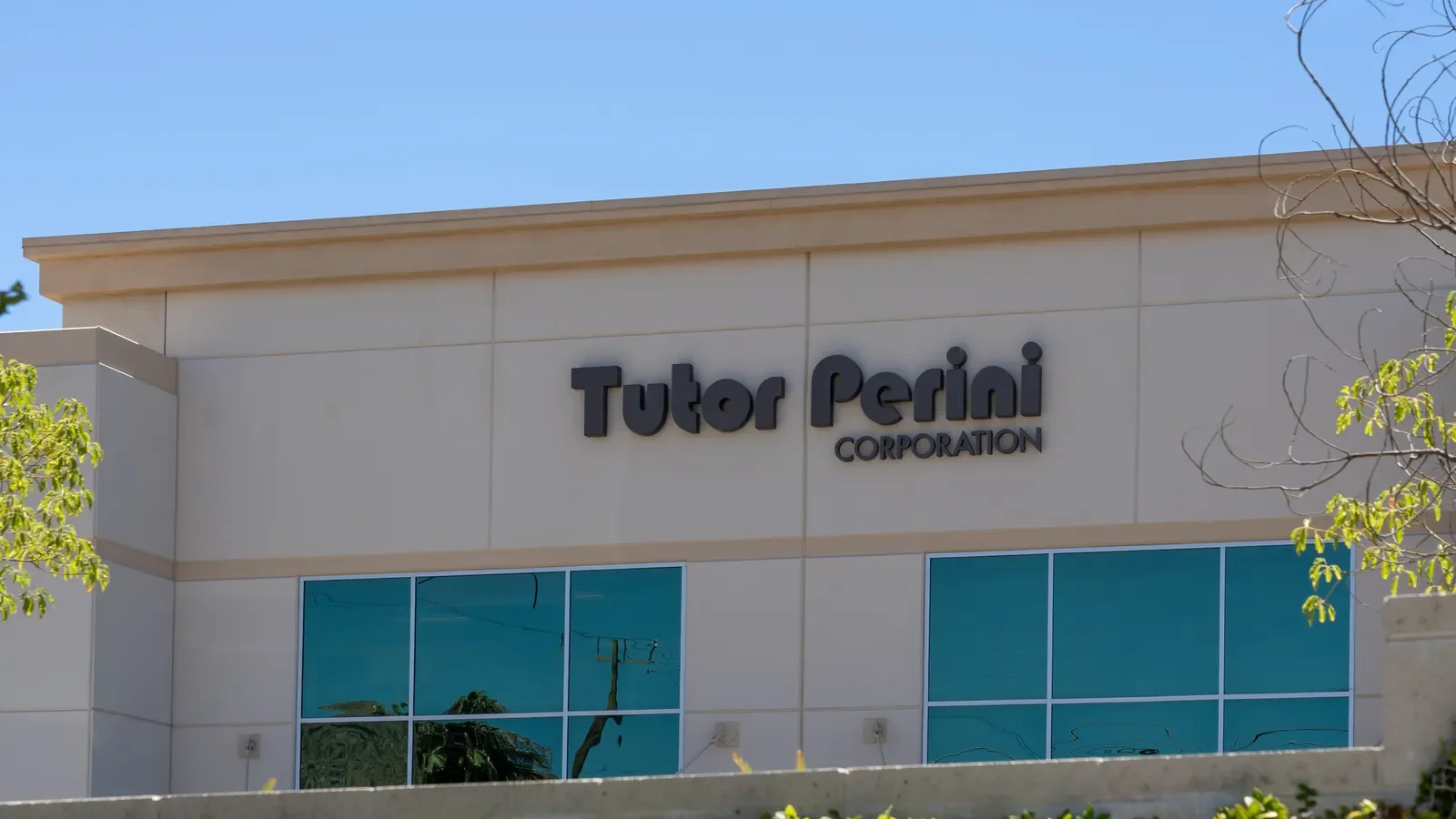
Tutor Perini's subsidiary, Fisk Electric, has secured a significant $24 million contract to deliver electrical services for a confidential data center client in Houston. This move illustrates a strategic focus shift towards the expanding data center sector, which Fisk has highlighted during its earnings discussions this year.
Project Overview
The scope of Fisk's work will encompass the prefabrication and assembly of modular containment systems, which play a key role in the operational efficiency of data centers. These systems include essential liquid-cooled components and accompanying piping, designed to manage the thermal loads generated by high-performance computing equipment. For those unfamiliar with the intricacies of data center operations, liquid cooling is increasingly becoming the standard for maximizing uptime and performance, as it allows for more efficient heat dissipation compared to traditional air cooling methods. Construction of these bespoke components reflects a tailored approach to client needs and will take place at Fisk's state-of-the-art 75,000-square-foot manufacturing facility located in Houston. This facility is not just a manufacturing site; it’s been designed specifically to accommodate sophisticated projects like this, showcasing the company's commitment to harnessing advanced manufacturing techniques.
Market Demand
The surge in demand for prefabrication in the construction arena can be attributed to a national shortage of electricians, particularly in the data center field. The construction industry has faced this shortage for some time now, driven partly by a decade-long focus on residential and commercial projects that overshadowed the need for workforce expansion in specialized areas like data centers. Offsite manufacturing, as emphasized by Tutor Perini, plays a key role in maintaining project schedules and ensuring timely delivery. By prefabricating complex components offsite, companies can bypass some of the typical delays associated with onsite construction. It allows for assembly-line efficiencies and quality control that aren't easily replicated in the field. This strategy is increasingly essential as tech giants push for rapid scalability and strict timelines in their data infrastructure projects.
Shifting Focus in Construction
Historically, Tutor Perini has primarily concentrated on large civil infrastructure initiatives, such as the Gateway tunnel project in New York and California's high-speed rail connection between Los Angeles and San Francisco. These projects typically involve extensive logistical frameworks and coordination efforts, setting a strong foundation for a company that now seeks to diversify. However, on recent earnings calls, the firm expressed its intention to increase its footprint within the data center construction market. This pivot acknowledges the shift in focus within the wider construction industry, where large contractors are increasingly looking to balance their portfolios with ventures that are less reliant on public-sector funding and political cycles.
With technology firms continuing to invest heavily in data infrastructure, it’s clear that data centers are no longer just ancillary projects—they're core business elements. Other firms, such as Granite Construction from Watsonville, California, have also recognized this trend, indicating their rising involvement in data center projects through site preparation and related construction efforts. Such movements underscore a broader transition in the construction market where the demand for digital infrastructure is outpacing traditional sectors.
Project Timelines and Operational Outlook
Fisk Electric's electrical construction operations for the Houston facility are anticipated to commence this year, with the expectation of achieving substantial completion by the first quarter of 2027. That's a tight timeframe for such a complex and technically demanding project. It’s a reflection of the industry’s urgency as companies strive to keep up with the high-speed evolution of technology, where data centers aren't just physical spaces anymore—they're the backbone of modern businesses. Getting this project completed on schedule will involve intricacies related to supply chains and workforce management, especially considering the current global climate where materials can often be delayed.
Future Implications and Significance
The implications of Fisk Electric's strategic shift towards the data center sector are noteworthy. This alignment reflects a broader industry trend that recognizes the escalating importance of data centers in the digital economy. If you're working in this space, you'll need to consider how similar companies may follow suit, as a resulting hyper-competition could emerge as contractors vie for a slice of this lucrative market. Moreover, as these infrastructure projects ramp up, they will likely push for more skilled labor. That’s going to increase the pressure on local workforces and educational programs to meet demands.
This shift is more significant than it looks, as it suggests an imminent transformation of the construction sector from a traditionally focused model to one that embraces advanced technologies and methodologies. With firms like Tutor Perini and Granite Construction capitalizing on this change, the construction industry's future may become more intertwined with tech than ever before. And yet, the potential pitfalls remain—while the move to data centers is promising, it also comes with risks associated with market volatility and the unpredictable nature of technology advancements.
(And this is the part most people overlook) —with these contracts also comes a responsibility for sustainability and efficiency. As data centers consume vast amounts of energy, there are growing concerns about their environmental impact. The construction decisions made today will have long-term implications for energy consumption and carbon footprints. Stakeholders will need to address these challenges to ensure the sector grows responsibly.
In summary, the alignment of construction firms with the data center market is a telling sign of changing times. While the contracts may appear straightforward, they encapsulate larger shifts within the industry that merit attention. As technology continues to evolve, so too will the strategies of those tasked with constructing the infrastructure that supports it.
Discussion
Sign in to join the discussion.