Homeowners insurance costs are rising but slowing down. Here's what buyers need to know to budget effectively and save on premiums.

When it comes to purchasing a home, often the focus is on mortgage rates and sale prices. However, homeowners insurance shouldn't be overlooked as it increasingly impacts your overall budget. As the real estate market fluctuates, understanding all associated costs becomes more critical every day.
In recent years, the financial burden of homeowners insurance has surged, complicating the affordability conversation. While rising premiums remain a concern for many buyers, there's some silver lining: recent data reveals that the rate of increase in insurance costs is beginning to decelerate. This may offer a sense of relief for those grappling with the rising costs of homeownership.
Understanding the Rise in Home Insurance Costs
According to a report from the Pew Research Center, about 71% of U.S. homeowners report that their homeowners insurance premiums have increased over the past few years. Such a significant percentage reveals how pervasive the issue has become across the country. While this trend is frustrating, understanding the statistics can help in strategic planning for future homeownership expenses. Your initial payment will be included in closing costs, but then transitions into a recurring monthly obligation thereafter. Homeowners need to incorporate this ongoing expense into their financial planning to avoid overspending.
Current Trends in Premium Growth
Indeed, insurance costs are on the rise—but the pace of these increases is finally showing signs of moderation. A recent analysis by Rate Insurance indicates that 2025 marked the initial slowdown in annual insurance premium growth since 2019. This suggests a potential easing of the previously relentless uptick in charges. While rates remain above where many homeowners would prefer them to be, it’s a small step in the right direction. After years of steady increases, a deceleration could help restore some financial balance to buyers who have had to face soaring costs in various areas of homeownership.
This trend isn’t uniform across the nation. Insurance costs can vary widely based on geographic location, home specifications, and the level of coverage selected. Local markets, driven by climate risks, population density, and available resources, can all dramatically influence premiums. In more disaster-prone areas, for example, homeowners might see much larger insurance bills compared to those in regions with less risk of natural calamities.
The Impact of Location on Costs
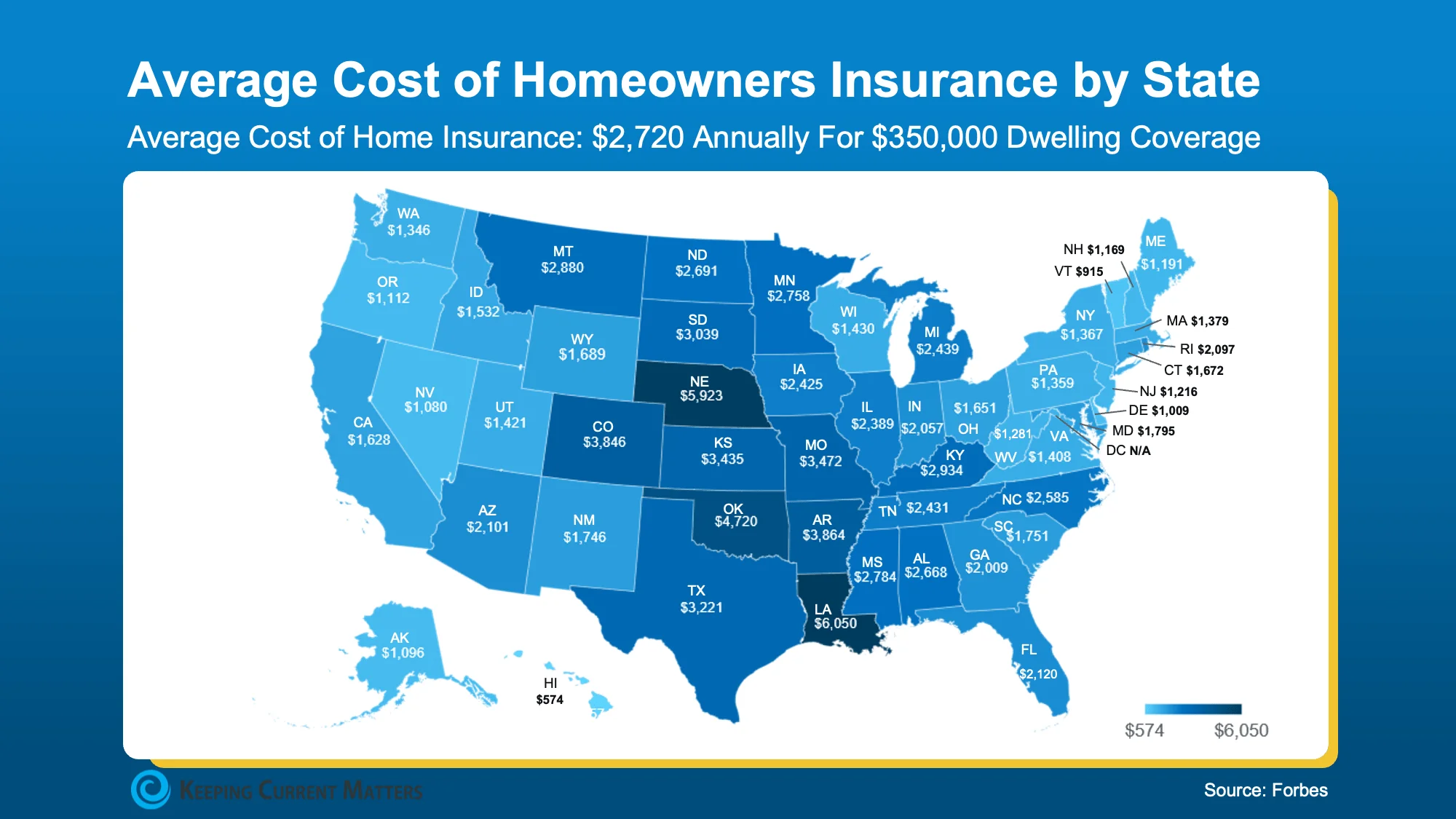
Considerable variation in insurance premiums arises because certain regions experience more frequent claims than others. For instance, coastal areas often face higher premiums due to increased risks of hurricanes or flooding, while regions prone to wildfires may pose similarly high insurance costs. Understanding local market dynamics can provide valuable insights into what you might expect to pay. If you take a look at data from Forbes, you can gain a sense of typical premiums across states. Their mapping of insurance costs—dark blue regions represent states with higher average costs—makes it evident that some areas bear a heavier financial burden than others. This geographical disparity signifies that potential buyers must do their homework when selecting a location.
Strategies to Mitigate Insurance Costs
While not all factors influencing your homeowners insurance are within your control, preparedness is everything. If you're serious about managing your expenses, consider these tips from Insurify and NerdWallet to secure the best rates:
- Shop Around – Obtaining quotes from multiple insurance providers can yield better pricing options. Comparing various offerings helps you understand the range of available rates and coverage options.
- Bundle Policies – Look for opportunities to combine homeowners with auto insurance; discounts often apply. This could mean not just savings, but a streamlined process for managing your policies.
- Inquire About Discounts – Taking the time to ask about available discounts can uncover significant savings. Many providers have unadvertised discounts that you might qualify for, such as military, senior, or loyalty discounts.
- Showcase Home Upgrades – Features like a new roof or storm-resistant windows can potentially lower your premiums. Investing in home improvements not only enhances living quality but may also offset insurance costs.
- Enhance Your Credit Score – A higher credit rating can often result in reduced premiums. Strong financial habits and credit management benefit you in various ways, including securing better insurance rates.
Obtaining an insurance quote prior to making an offer on a home is a smart move. This foresight allows you to anticipate monthly housing costs more accurately and prevents unwelcome surprises later. Laying groundwork early establishes a realistic financial outlook and can play a role in your purchasing decisions.
Future Outlook and Implications
The implications of rising and fluctuating homeowners insurance are manifold. As these costs continue to be a topic of conversation, one has to wonder whether they will evolve into a dealbreaker for many potential buyers. If you're working in this space, staying informed about these trends is essential. Future regulations or reforms in insurance pricing could alter how premiums are set, but for now, awareness is key. The increasing burden of homeowners insurance on individuals’ budgets may influence overall housing demand. We could see buyers prioritize properties with lower insurance costs or even gravitate towards regions with more favorable premium landscapes.
Final Thoughts
Homeowners insurance is undeniably becoming a larger conversation in the homebuying process, but it shouldn't cause undue stress. By gaining an early understanding of what to expect in terms of insurance costs, incorporating these figures into your budget, and collaborating with informed local insurance professionals, you can navigate this aspect of homeownership with greater confidence. Remember, protecting your investment is just as important as securing financing. The numbers here are significant—they can’t be ignored.
Discussion
Sign in to join the discussion.