Recent data suggests a potential rebound in home prices, with fewer markets experiencing declines and positive growth forecasted ahead.

Recent trends in the housing market indicate a potential resurgence in home prices. After months of speculation about a price crash, data reveals that home price growth may be shifting gears, presenting different implications for buyers and sellers alike.
The Current Market Dynamics
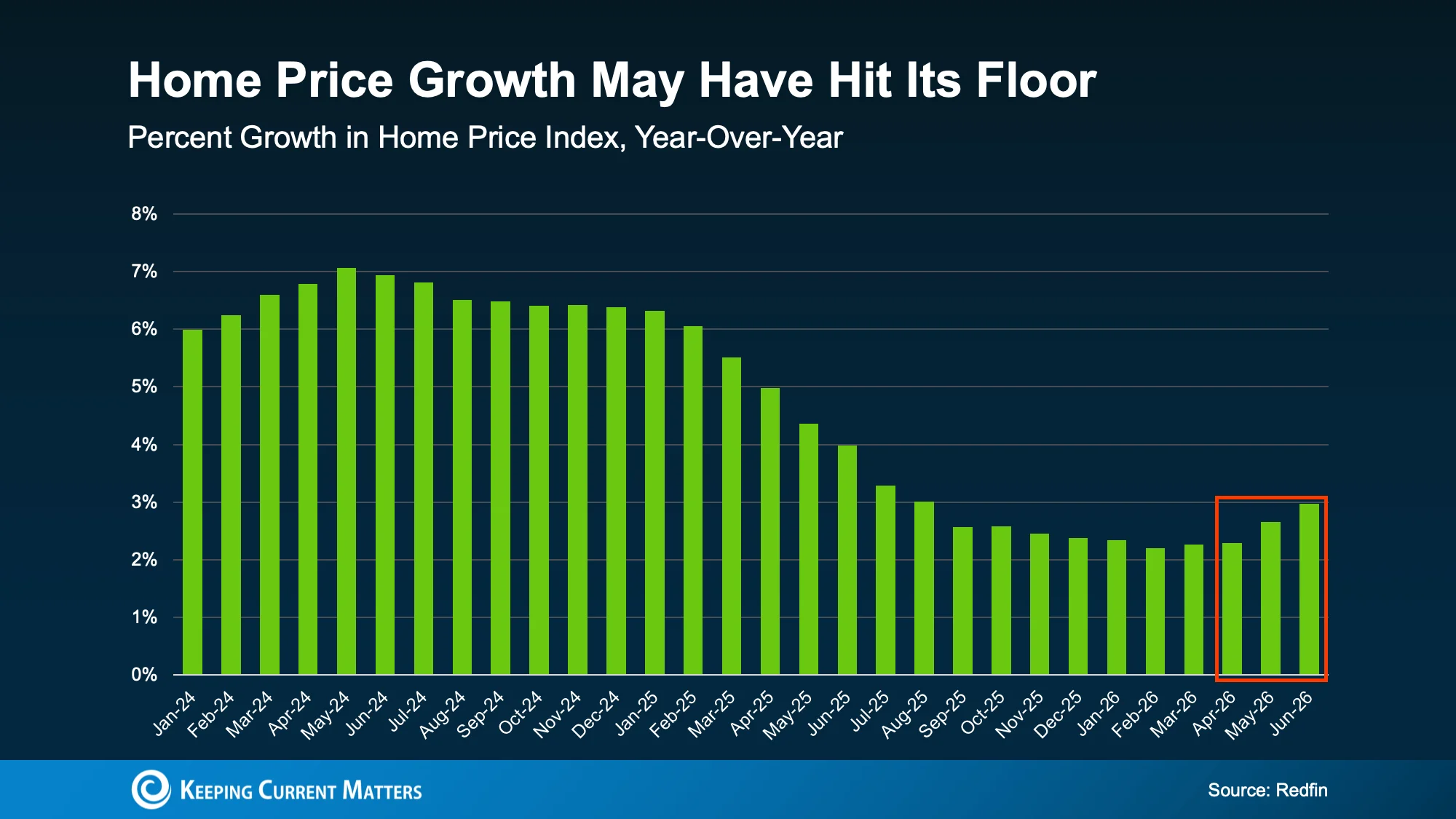
For the past few years, home price growth has been moderating, with rates cooling from approximately 7% in mid-2024, as reported by Redfin. The cooling market was largely attributed to rising interest rates and broader economic concerns that weighed on buyer sentiment. This has created a situation where sellers have been less willing to list their homes, fearing they wouldn't get competitive offers. Observations show that this slowdown might have reached its nadir, with signs pointing to a possible uptick in growth. It’s a small glimmer of hope in an otherwise uncertain environment.
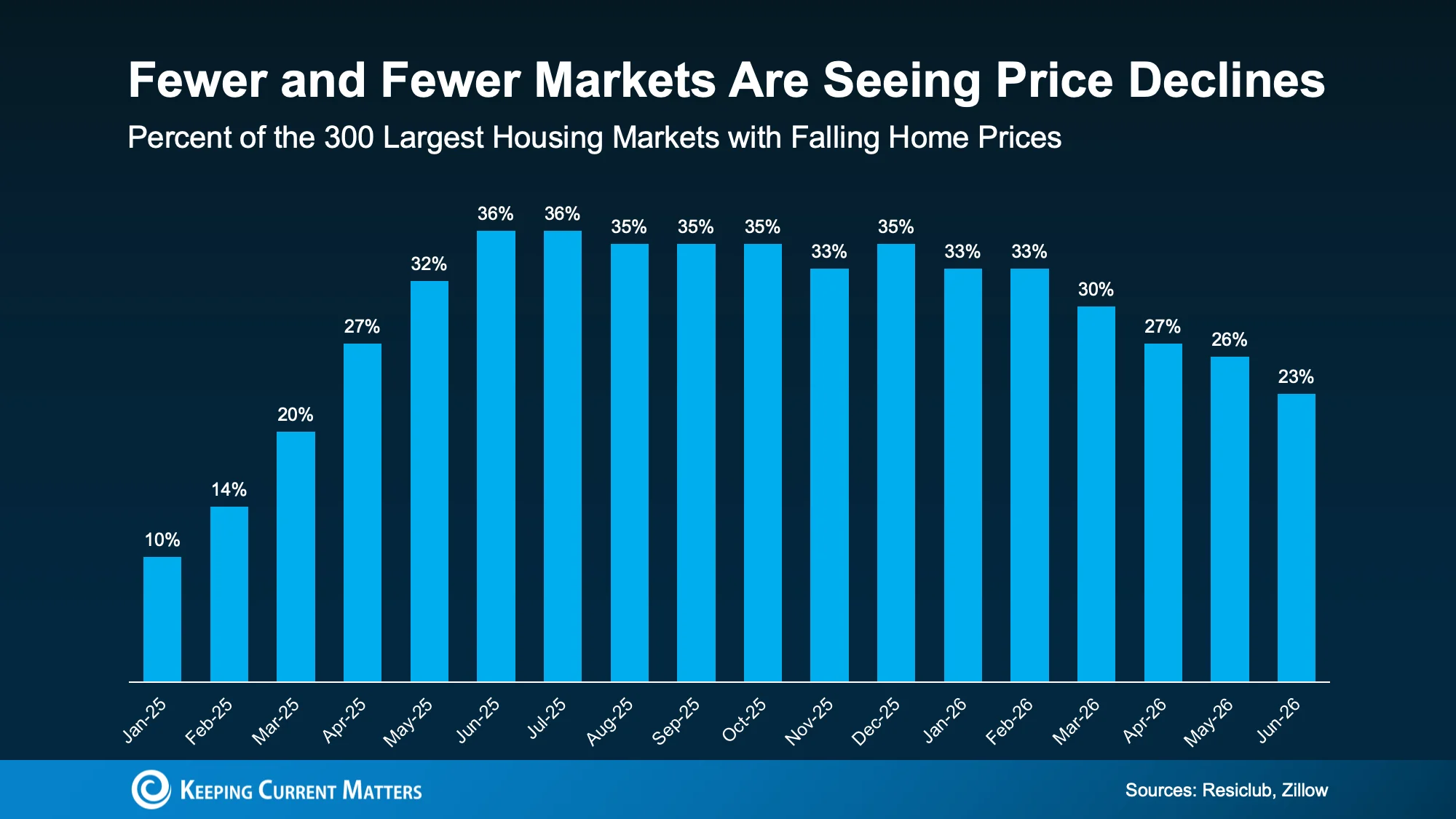
While a few months of improving data isn't a guaranteed long-term trend, additional indicators suggest this momentum could sustain. The share of major housing markets reporting price declines has decreased significantly from about 36% last year to just 23% currently, according to ResiClub and Zillow. This shift might signal that we are hitting a turning point, but caution remains necessary. An uptick in prices doesn't automatically equate to a booming market; it could just be a market correction after an extended downturn.
Local Markets Matter More Than Ever
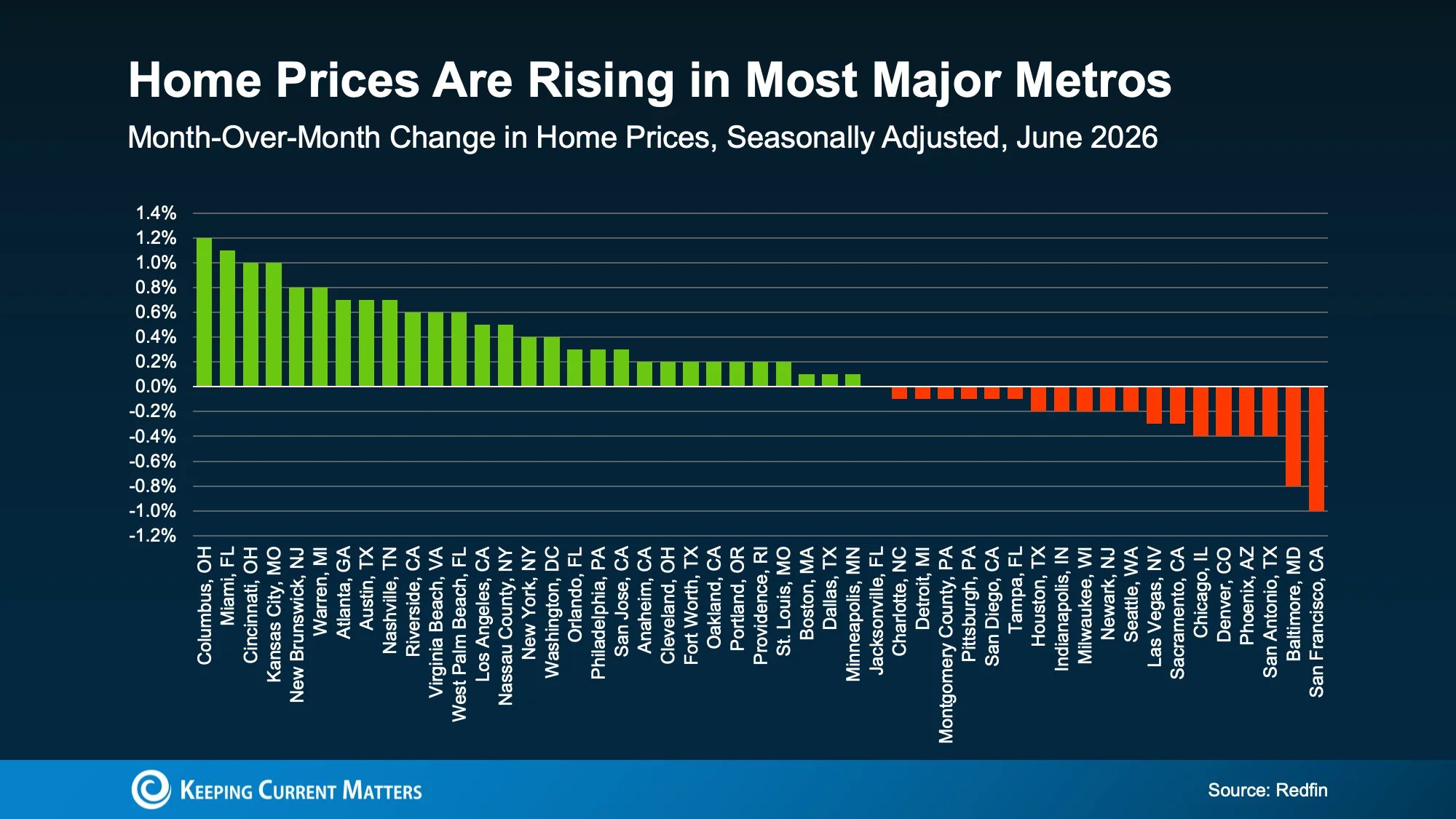
Despite encouraging national trends, it’s essential to recognize that real estate is inherently local. While the national average may be inching upward, individual markets exhibit varied trajectories. For instance, previously divided major metros—where half were seeing price declines—are now shifting toward a more optimistic outlook, with over half of these markets reporting price increases recently, as highlighted by Redfin. In this context, regional differences can dictate the timing for buyers and sellers significantly.
Selma Hepp, Chief Economist at Cotality, articulates this point well:
“Local markets continue to tell very different stories. Annual home price growth has changed little since the start of the year, but some markets, especially those supported by strong job and income growth in the West and more affordable Midwest markets, have seen notable acceleration in price gains.”
This perspective raises an interesting dilemma for those involved in the market. Areas with burgeoning job opportunities could attract an influx of buyers eager to invest while markets lagging in growth may leave some hesitant, caught in a cycle of uncertainty. This bifurcation highlights the need for localized knowledge when navigating real estate decisions.
Implications for Buyers and Sellers
With home price headlines evolving, understanding local market trends is paramount. Engaging with a knowledgeable real estate agent can provide clarity on market conditions and potential future movements in prices. If you're working in this space, staying up to date with the latest data is critical for making informed decisions.
For Buyers: The previous slowdown in price growth has given buyers more room to negotiate. If growth begins to accelerate in your region, purchasing now could mean locking in lower prices compared to later in the year. Remember: waiting could cost you. It’s not just about the price you pay; it’s about timing your entry into the market.
For Homeowners: Even amidst a period of moderated growth, many homeowners have been building equity. Should trends indicate a continued increase in price growth, those gains could amplify. Lawrence Yun, Chief Economist at the National Association of Realtors (NAR), projects that the typical homeowner could see an increase of roughly $16,000 in housing wealth within this year. For sellers, this emerging trend signals a favorable environment to consider listing their properties; however, the market remains balanced and buyer-friendly in many areas, making it essential for sellers to price their home realistically to ensure a timely sale.
As the data suggests, understanding the nuanced interplay between buyer activity and price trends can greatly influence decision-making in real estate. Localized insights can often reveal patterns that broad national averages overlook, underscoring the necessity of tailored strategies.
Looking Ahead
As home price growth potentially returns, all market participants must remain attuned to both local and national trends. Engaging with local real estate professionals can provide deeper insights and guide strategic decisions, ensuring buyers and sellers stay ahead in this shifting market. The challenges won't disappear completely; the focus must now shift to how different markets will respond to these emerging trends. Will the upward pressure on prices sustain itself, or will we see another period of stagnation?
Markets fluctuate, and how they do so could reshape your investment strategy or home-buying journey. If you’re considering a move, being proactive in understanding these dynamics can't be overstated. After all, timing may prove to be everything—or at least very close.
Discussion
Sign in to join the discussion.