Eli Lilly has initiated construction on a $6.5 billion manufacturing plant in Houston, part of a broader strategy to enhance U.S. medicine production.
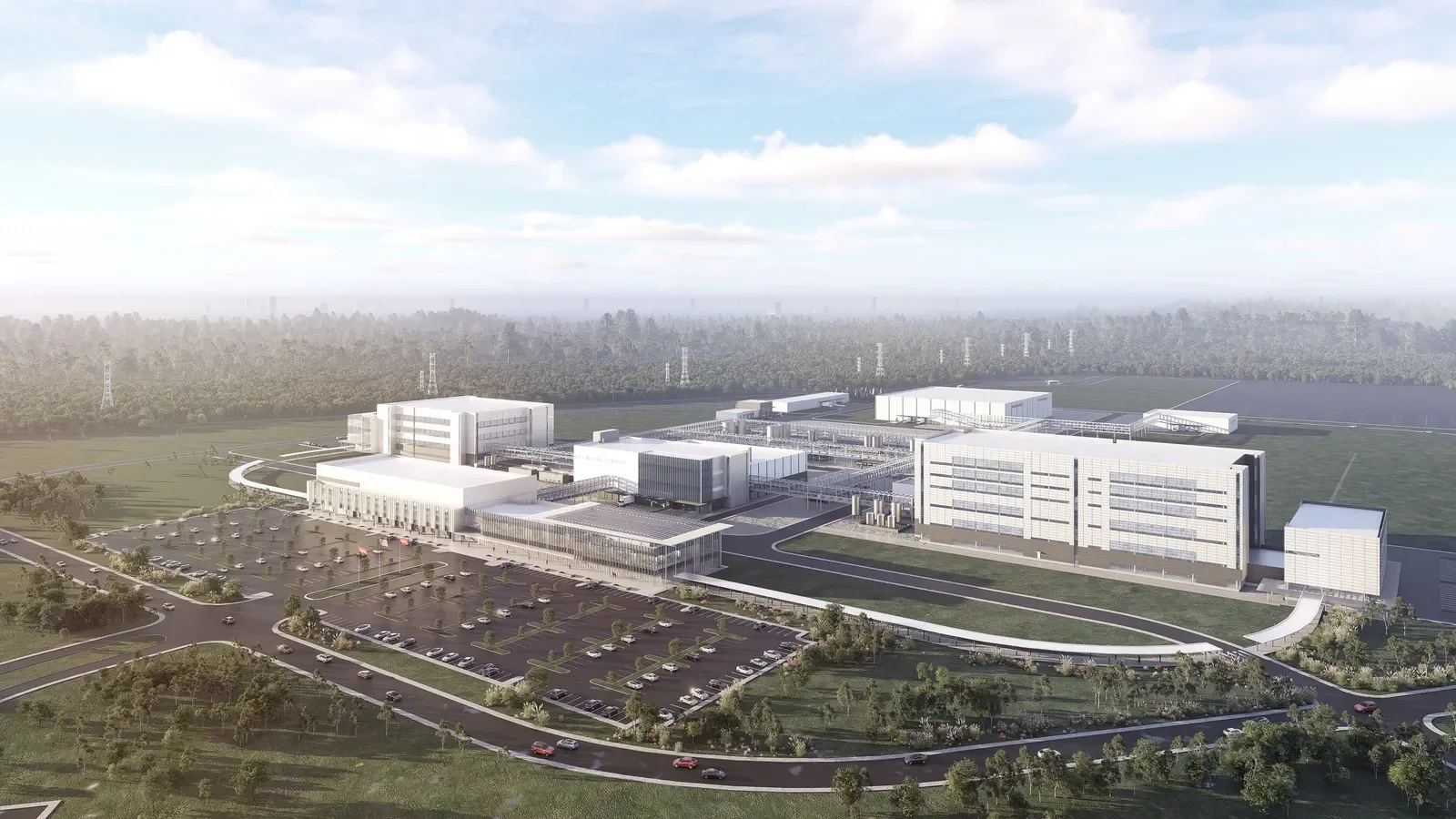
Eli Lilly has officially commenced construction on a $6.5 billion pharmaceutical manufacturing facility in Houston. This site represents one of ten U.S. locations the company has announced since 2020, reflecting its ambitious expansion plans.
The Houston venture is backed by Bechtel's manufacturing and technology division, as indicated in a recent job listing from the Virginia-based contractor. Although Eli Lilly and Bechtel haven't confirmed this collaboration, the project aligns with growing trends in U.S. domestic manufacturing.
Strategic Investment in Manufacturing
This new facility is part of Eli Lilly's broader $50 billion initiative to reshore pharmaceutical production to the United States, aiming to streamline the supply chain and boost local job creation. David Ricks, Eli Lilly’s chair and CEO, expressed enthusiasm for establishing a facility dedicated to American-made medicines: "We are thrilled to break ground on our latest 'medicines made in America' site in the great state of Texas," he stated.
Reshoring pharmaceutical production is not without its challenges, but the recent pandemic revealed critical vulnerabilities in global supply chains. Many companies now recognize the risks associated with foreign dependencies. In the case of Eli Lilly, moving operations closer to home isn't just a bold statement; it's a strategic pivot aimed at mitigating risks while enhancing responsiveness to market demands.
This initiative also speaks volumes about the increasing focus on U.S. manufacturing in sectors that have been heavily reliant on overseas production. By investing heavily in domestic facilities, Eli Lilly is aligning itself with a growing national sentiment favoring local job creation and economic self-sufficiency. The job listings associated with this Houston facility also spotlight the potential for local employment opportunities, suggesting that Eli Lilly is committed to not just producing drugs but fostering regional economic growth.
Project Details and Capabilities
Once operational, this Houston plant will manufacture significant active pharmaceutical ingredients, including components for Foundayo, Eli Lilly's first synthetic oral GLP-1 weight loss drug. The facility aims to leverage advanced technologies such as machine learning and artificial intelligence to enhance production efficiency and product quality.
The integration of machine learning and AI isn't trivial; these technologies can optimize everything from supply chain logistics to production workflows. If implemented correctly, this approach can lead to significant cost savings and improved product consistency, which is vital in a sector where precision is paramount. This ambition for technological integration mirrors a broader trend in the pharmaceutical industry toward greater automation and efficiency. The race is on among companies to achieve not only maximum output but also quality assurance, and Eli Lilly seems poised to position itself ahead of many competitors.
In the past year, Eli Lilly has made headlines with several major project announcements. Highlights include a $5 billion facility outside Richmond, Virginia, dedicated to cancer and autoimmune treatments, and another $6 billion plant slated for Huntsville, Alabama, focused on producing weight loss medications. This rapid pace of investment in various geographies illustrates a calculated approach to diversifying manufacturing capabilities while simultaneously addressing different healthcare needs.
This expansion is noteworthy in a sector often criticized for not innovating quickly enough to meet patient needs. While Eli Lilly races to ramp up production in the face of demand, such investments highlight a dual opportunity: responding to immediate market needs and setting the groundwork for longer-term competitive advantages as regulatory environments continue to evolve.
Implications for the Future
The Houston plant underscores Eli Lilly's commitment to modernizing its manufacturing processes while boosting U.S. employment. With state-of-the-art technologies and strategic investments, Eli Lilly is poised to play a key role in shaping the future of pharmaceutical production in the U.S.
This is more significant than it looks. The implications of Eli Lilly's expansion extend beyond its immediate operational scope. As the industry shifts towards more localized manufacturing, existing companies and new entrants alike will have to rethink their supply chain strategies. A tighter U.S. pharmaceutical manufacturing ecosystem might stimulate job growth in various sectors, from skilled labor to research and development.
If you're working in this space, keep an eye on not just Eli Lilly's progress but also how competitors will respond to this shift. Will they ramp up investments to keep pace, or will they struggle with legacy systems while Eli Lilly forges ahead? The coming years could see a renaissance in U.S. pharmaceutical manufacturing, but how robust that growth can be remains uncertain.
And yet, investors should tread carefully. The rapid investments by Eli Lilly could be seen as both a response to immediate disruptions and a gamble on future demand. With the market continuously fluctuating due to regulatory changes and evolving healthcare needs, success is never guaranteed. The blueprint laid out by Eli Lilly may mark a transformational moment in pharmaceutical production, but it will require astute management and continuous innovation to keep the momentum going.
Discussion
Sign in to join the discussion.