Piedmont Healthcare plans a $600 million hospital in Georgia, while Skanska secures an $84 million contract for a new data center in the area.
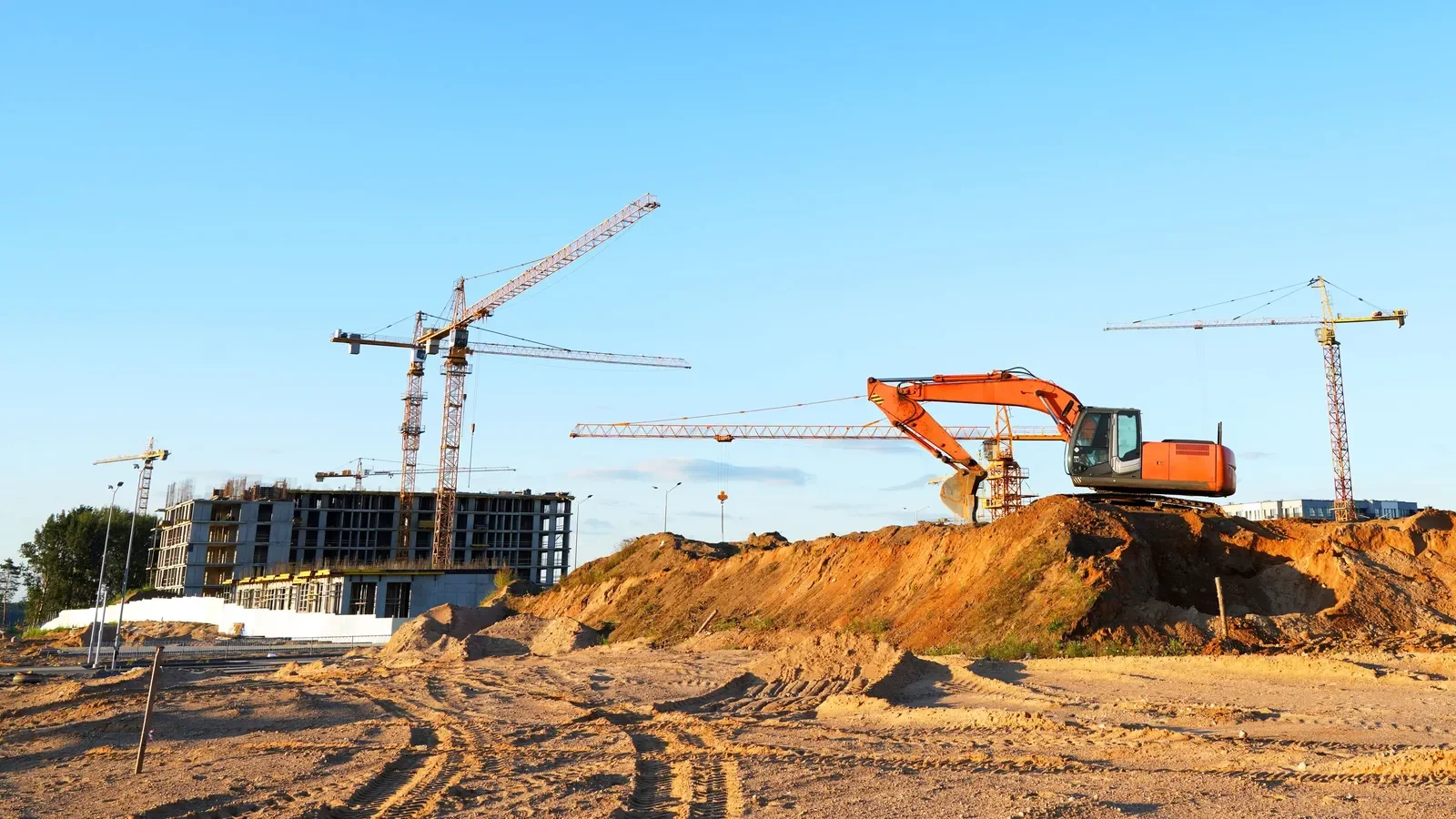
In significant developments for Georgia's construction sector, Piedmont Healthcare has committed to building a new $600 million hospital in Newton County. This announcement marks a major step in the healthcare provider's expansion efforts and represents its second-largest capital investment to date. The strategic placement of the new facility indicates a robust commitment to improving local healthcare services, which aligns with ongoing trends in healthcare infrastructure investment across the United States.
Replacing Aging Infrastructure
The planned facility will replace the aging Piedmont Newton Hospital, which has been operating since 1954 and is currently licensed for 128 beds. Hospitals constructed in the mid-20th century often suffer from outdated facilities and inadequate technology, which can compromise patient care. Excessive wear on the infrastructure at the current site has necessitated this relocation, aimed at enhancing healthcare delivery in the region. It’s not just about aesthetics; it’s about functionality, technology, and the ability to provide modern healthcare services.
Since 2018, Piedmont has invested nearly $2 billion across multiple expansion projects as part of its broader growth strategy. This investment trend reflects a nationwide pattern, where healthcare providers are increasingly focused on modernization and expansion to meet rising demand. The commitment by Piedmont Healthcare conveys their confidence in the region's growth and the anticipated increase in patient volume. This type of investment can lead to job creation, economic stimulation, and improved healthcare outcomes for residents.
Surging Demand for Data Infrastructure
As for the commercial sector, Skanska has been awarded an $84 million contract to construct a substantial data center in Georgia. The project's details include the development of a 245,000-square-foot facility equipped with five colocation halls designed to handle up to 48 megawatts of power capacity. This development aligns with the rapid expansion of the digital economy, where data storage and management have become critical components of business operations. If you're working in this space, the implications are clear: demand for such infrastructure is only going to rise.
Construction activities for the data center are slated to commence in November, with completion expected by the third quarter of 2028. The timeline indicates a long-term commitment to enhancing digital infrastructure at a time when cyber capabilities are essential. Skanska's involvement underscores its commitment to executing complex infrastructure projects that address the booming demand for data storage capabilities. Efficiently running these data centers is not just about space but also about energy efficiency and cutting-edge technology.
Strategic Expansion at Fortis Construction
In other notable news, Fortis Construction has expanded its footprint by establishing a new Industrial Business Unit focused on the manufacturing and technology sectors. This strategic move aims to capitalize on increasing investments in advanced manufacturing and energy technologies. Given the current push for technological advancement and sustainability initiatives, Fortis's decision positions it well in a competitive market. The establishment of such a unit seems timely, targeting an industry that has been increasingly important in driving economic growth.
Leading the new unit is Matt Laccinole, whose extensive experience in heavy industrial projects positions him to spearhead growth in this emerging area. His leadership could make all the difference in adapting the company’s focus to meet new industrial demands. He emphasized the firm’s readiness to support clients in realizing transformative projects that cater to the advancing industrial landscape. This expansion reflects not just Fortis's growth aspirations, but also a broader trend where companies pivot and adapt to meet technological and environmental challenges.
Leadership and Building Standards in the Industry
Additionally, George Guszcza, CEO of the National Institute of Building Sciences (NIBS), has been appointed to a federal advisory committee by the National Institute of Standards and Technology. This committee plays a pivotal role in advising on construction safety and the investigation of building failures, aiming to improve standards and practices in the industry. Leadership in standards is often overlooked but is essential for ensuring safe construction practices that can prevent accidents and failures.
The incorporation of insights from seasoned leaders like Guszcza into this advisory committee will help promote best practices in construction safety, which is a pressing concern in a rapidly evolving industry. The ramifications could affect everything from project design to how safety protocols are enforced on job sites. This is more significant than it looks; as industries evolve, so too must the standards that govern them, ensuring that they protect both workers and end-users alike.
Implications and Future Outlook
These developments illustrate the changes shaping Georgia's construction and healthcare sectors, presenting opportunities as they adapt to evolving regional and industry demands. The substantial investments in healthcare and structural projects not only signal confidence in Georgia's economic future but also highlight a responsive approach to the needs of the population. The ongoing demand for more healthcare and data infrastructure combined with new business ventures will likely spur job creation and economic growth in the state.
As the construction sector grapples with labor shortages and supply chain issues, the focus on advanced manufacturing and technology indicates a need for workers who possess specialized skills. For stakeholders in the industry, understanding these dynamics is critical. That said, keeping pace with changing regulations and market demands will also be essential. Local governments and companies must work collaboratively to ensure that the growth trajectory translates into tangible benefits for the wider community.
In essence, Georgia's construction development signals a broader shift that aligns with 21st-century economic priorities, sustainability, and the necessity for modernization in both healthcare and technology sectors.
Discussion
Sign in to join the discussion.