Elevated Fan Experiences: The Future of Stadium Design in Orchard Park, NY
Published Sep 24, 2026446 readers
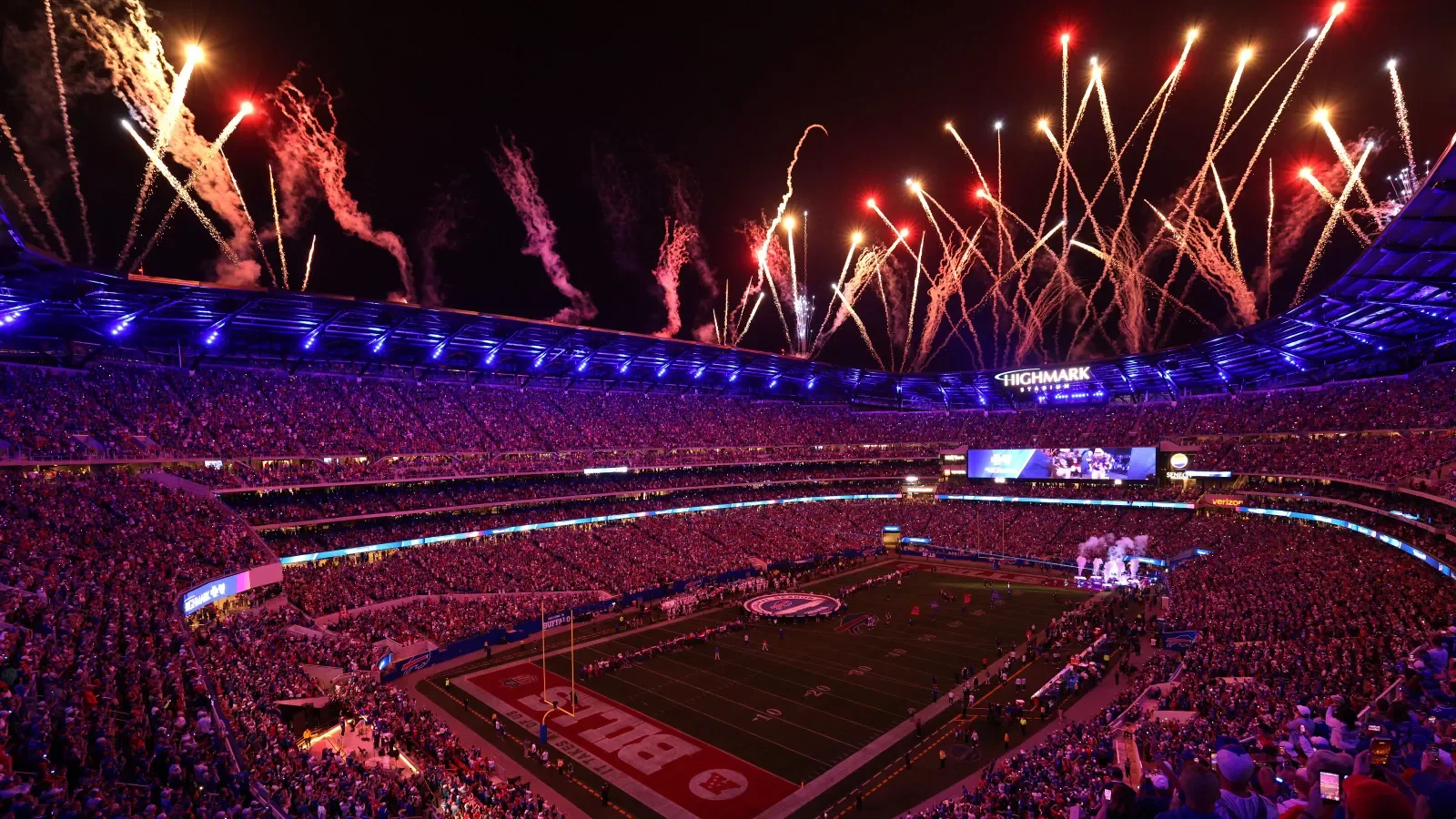
Highmark Stadium's design prioritizes premium amenities and comfort, reflecting a shift in fan expectations over traditional large capacities.
Rethinking Stadium Design
Stadium design is experiencing a notable evolution, shifting away from traditional notions of large capacity toward a focus on premium experiences. Case in point is the recently inaugurated **Highmark Stadium** in Orchard Park, New York, which opened at a cost of **$2.1 billion**. The Buffalo Bills played their inaugural game there on September 17, 2026, and while the new venue boasts approximately **60,000 seats**, that's **10,000 fewer** than its predecessor. This reduction in overall capacity illustrates a growing trend in the industry: fans and teams are prioritizing elevated experiences over sheer numbers.
Here's the thing: many industry experts agree that this shift aligns with a broader movement where premium amenities and comfort are becoming non-negotiable. Logan Gerken, a vice president at Mortenson, which has constructed numerous sports venues including the $1.9 billion Allegiant Stadium for the Las Vegas Raiders, emphasizes this shift. He argues, “The conversation is really about premium percentage,” suggesting that designers are more concerned with the number of luxury suites and club areas than with total seating capacity.
Gerken's insights reveal a critical perspective that’s reshaping stadium planning. Designers are now focused on increasing the **square-foot-to-seat ratio** to accommodate enhanced offerings such as lounges, exclusive clubs, and high-end dining experiences. New stadiums are expected to include significantly more of these premium spaces—ranging from **nine to twelve enhanced experiences**—compared to just three to five in venues built in the late 1990s or early 2000s.
Catering to shifting fan expectations is a driving force behind this transformation. With high-definition broadcasts and streaming services providing unprecedented viewing experiences from home, stadium operators are challenged to create an engaging atmosphere that encourages attendance. Craig Schmitt, an architect at EwingCole, points out that the **"deadball time"** in sports like baseball and football—where action is sporadic—highlights the importance of providing entertainment during lulls in gameplay. The average baseball game, for example, contains only about **15 minutes of actual play**. This demand for constant engagement is compelling architects to rethink what the in-person experience should consist of.
Lee DeLong from Clark Construction reiterates this sentiment, noting that today's stadiums must offer much more than basic concessions. He argues that the player and fan experience must be catered to holistically, integrating modern amenities that enhance enjoyment. Players benefit from expansive locker rooms and training facilities, reflecting the weight of their professional demands. This goes beyond mere functionality; locker rooms need to accommodate modern training practices and athlete recovery, having evolved into far more complex spaces than before.
In this rapidly changing landscape, the question of whether to renovate existing stadiums or construct new ones is often portrayed as a complex dilemma among stakeholders. M&T Bank Stadium recently underwent a **$480 million renovation**, while Nissan Stadium, built in 1999, is set to make way for a **$2.1 billion replacement**. The decision-making process involves assessing which structures can adapt to modern demands without sacrificing operational effectiveness.
As industry standards evolve, the designs of new stadiums are being informed not only by the needs of fans but also by the operational requirements of the teams that play in them, including the increasing need for technological integration such as larger scoreboards and advanced audio-visual systems. Such advancements may even shift cost allocations within budgets, as audio-visual expenses jump from **3-5%** to potentially **12%** of total construction costs.
Today’s stadiums are no longer merely venues for athletic events; they are complex spaces designed to foster community, engagement, and exceptional experiences both on and off the field. As Gerken aptly puts it, “These are not just gameday facilities anymore.” If you're engaged in this space, these insights underscore the need for adaptable, visionary planning that meets modern demands.
The Road Ahead for Stadium Design
As we conclude this exploration of modern stadium construction, a couple of pivotal trends emerge. The increasing emphasis on multi-purpose venues signals a significant shift in how sports facilities are perceived and utilized. These aren’t just temples of entertainment anymore; they’re evolving into community hubs, attracting a diverse range of events beyond the traditional sports lineup. If you’re in real estate or urban planning, this shift is more than just an interesting detail—it reshapes the potential use cases and revenue streams for these properties.
What you should take away from this article is that the financial viability of stadiums is increasingly intertwined with their ability to host various activities year-round. As cities grapple with funding and operational costs, the design of these facilities will need to adapt accordingly. This evolution could lead to innovative architectural solutions that cater to both sports fans and the general public, such as upgraded hospitality options and more inclusive spaces.
Yet, there’s an underlying tension between keeping the experience unique for sports fans and broadening the appeal for general events. It’s not always clear how to balance these competing interests, leaving many stakeholders questioning which direction to pursue. Will stadiums remain primarily about the game day experience, or will they truly become adaptable spaces that reflect a community's needs?
Ultimately, the future isn’t set in stone. As architects and planners dream up these new designs, the real test will be in execution. Monitoring how communities respond to these changes will be crucial. After all, in an era where entertainment redefines itself at a rapid pace, flexibility may just be the key to long-term success.
Discussion
Sign in to join the discussion.