Sound Transit has postponed the West Seattle Link project’s completion to 2035, citing extensive cost-saving analyses and complex construction challenges.
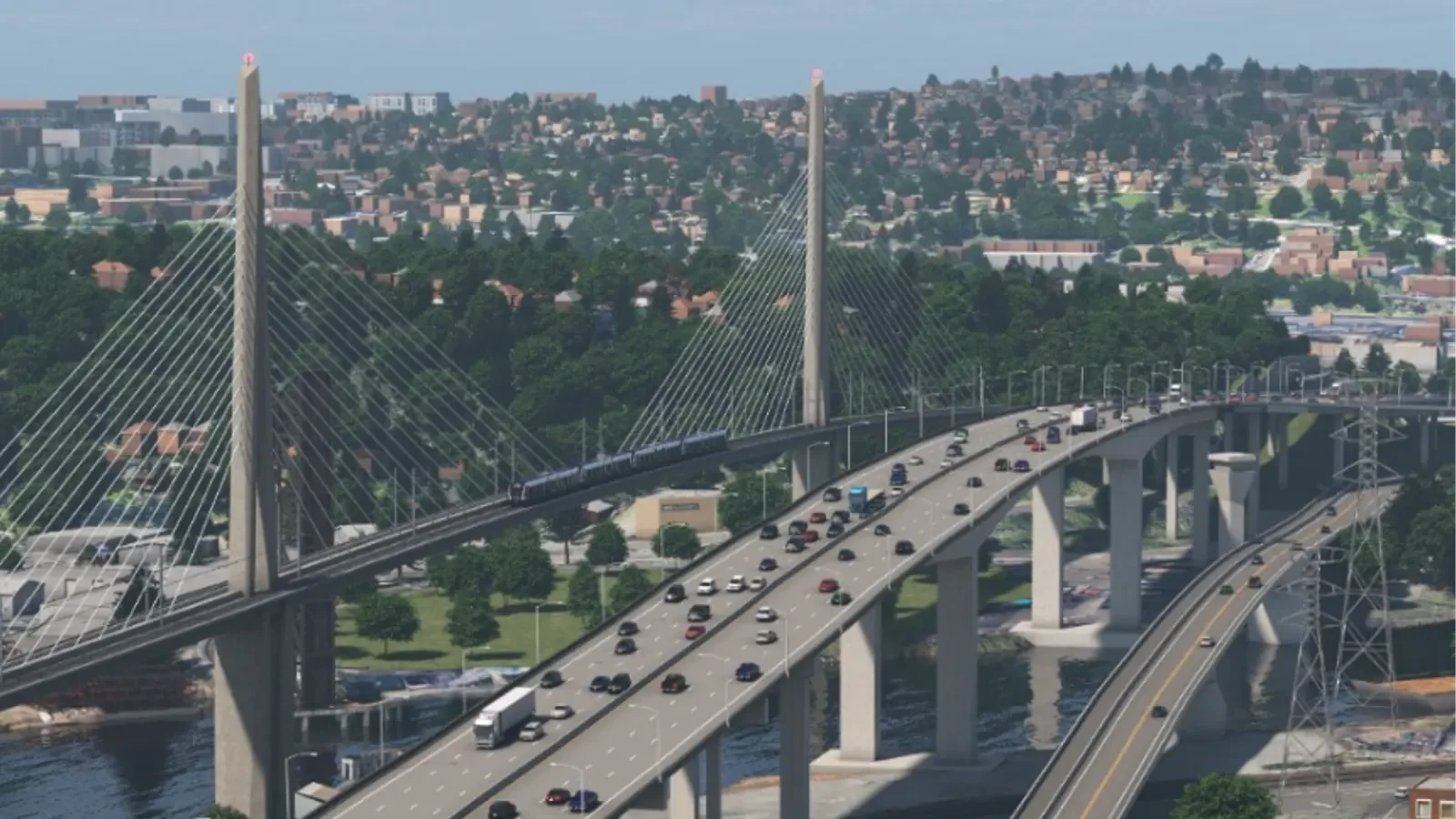
Sound Transit has announced a significant delay in the West Seattle Link Extension, rescheduling its completion from 2032 to 2035. This postponement arises due to ongoing efforts to identify cost-saving measures and the complexities associated with the project’s construction phases.
Key Updates on the Project Timeline
Construction is now set to begin in 2028, as the agency deals with challenging elements like bridge construction and an extended tunnel section. The scope of these complexities shouldn't be understated; they involve not only engineering feats but also the logistics of working in urban environments where space is limited and disruption must be minimized. Despite the delay, procurement processes for major project packages are already underway, with additional contracts expected to be released in the latter half of the year and into 2027. The timeline shift may cause frustration among residents and commuters who rely on public transport, but it reflects a more realistic approach to a project that's already sprawling in scale and ambition. If you live or work in West Seattle, this news means you'll need to adjust your expectations regarding transit options for a few more years.
Cost Management Challenges
This delay underscores the difficulties that Sound Transit faces in attempting to rein in costs amidst its ST3 capital program. The estimated deficit for the entirety of this program, which includes the West Seattle and Everett Link extensions, stands at a staggering $34.5 billion over the next two decades. The total cost of the ST3 initiative has escalated to approximately $185 billion in recent years. These figures raise important questions about fiscal responsibility and project management. Sound Transit seems to be in a tight spot; balancing the ambitions of expanding public transit while not overextending financial resources is no easy task. Taxpayers might wonder whether the promised investment will yield the expected returns, or if they’re merely witnessing a slow-motion budget crisis play out. Thus, many stakeholders—from community leaders to business owners—are watching closely. Will the ultimate project deliver on the initial promises made to the public, or will delays compromise its viability and usefulness?
Cost-Saving Measures Identified
According to a statement from Sound Transit, a major factor in the timeline adjustment was the time spent analyzing potential cost-saving opportunities. The agency has identified more than $2 billion in savings, which includes the controversial decision to eliminate the proposed Avalon Station. This decision isn't just a minor change; it's emblematic of the tensions between immediate fiscal pragmatism and long-term public transit goals. While the removal of Avalon Station may save money, it risks alienating communities that stand to benefit from increased access. And this is the part most people overlook: saving money today may mean sacrificing growth tomorrow. The debate surrounding these cost-saving measures might intensify as the project moves forward. If the community feels left out or diminished by the decision-making process, it could hinder future efforts aimed at securing buy-in for transit initiatives.
Future Prospects
Despite these significant alterations, Sound Transit assures that the core approach to packaging and delivering the project remains unchanged. The transit authority has already moved forward with advertising key packages, including the Duwamish River Crossing, which was included in their plans earlier this summer, with more package offerings set to debut soon. The packaging and delivery strategy is crucial, as it shows a commitment to a methodical approach in addressing such a vast and impactful transit system. That said, a question looms over potential future delays due to altered public relations dynamics or unexpected construction challenges. Looking ahead, design-bid-build processes for the West Seattle tunnels and Delridge Station are scheduled for late 2027 and early 2028. Such scheduling suggests a continued commitment to eventual project completion despite the current setbacks. However, stakeholders will be watching these early stages closely to gauge how soundly these processes are managed and whether they uphold the promises made to the public.
Implications and Future Outlook
The implications of this delay extend beyond mere project timelines; they touch on wider issues of public trust and regional transit commitments. Will the community feel confident that Sound Transit can deliver its promises, or will the specter of continual delays and cost overruns lead to skepticism? For a region that prides itself on innovation and progress, this news could signal a roadblock that lingers longer than anticipated. Subsequently, other regional transit projects might experience similar scrutiny, as stakeholders observe Sound Transit’s maneuvers. If public confidence erodes, future funding and support for transit initiatives could diminish, placing further stress on an already stretched financial scenario. Ultimately, as the clock counts down to 2035, public eyes are set on Sound Transit. The agency demands more from its decision-making processes, not just to uphold its reputation, but to also reinforce the public's trust in what is foundational for West Seattle’s future transit infrastructure. For everyone involved, whether direct stakeholders or occasional commuters, the hope is that the road to completion will remain clearer amidst these growing complexities.
Discussion
Sign in to join the discussion.