Surging Data Center Construction in Virginia and Beyond: Key Opportunities and Challenges
Published Sep 09, 2026993 readers
Data center construction is booming, especially in Virginia, driven by major tech investments, but developers face significant regulatory and logistical hurdles.
Datacenter Construction Surge Amid Challenges
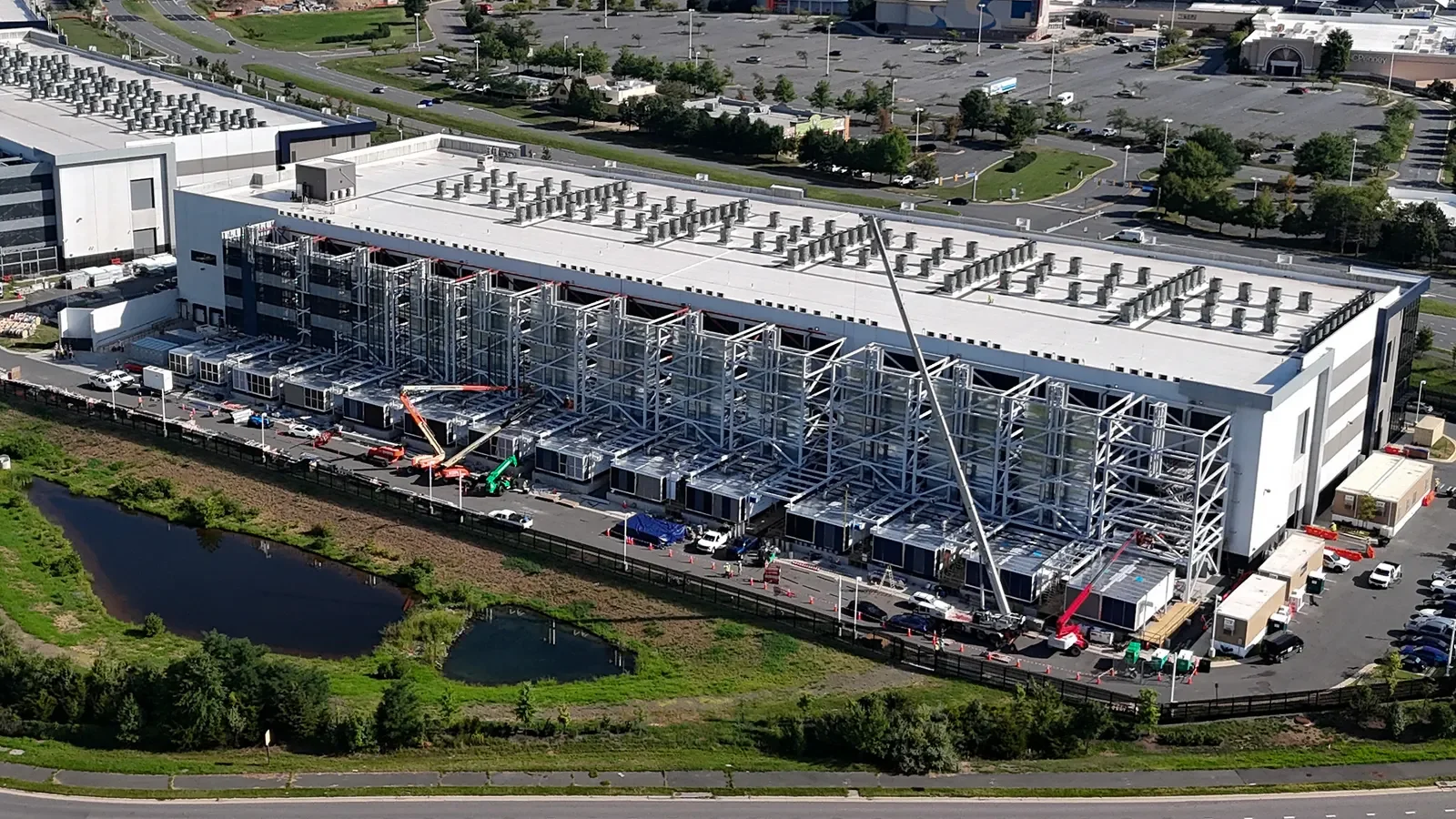
The remarkable escalation in data center construction is shaking up the industry, even as local governments impose moratoriums and face public dissent. From March to August 2026, the count of planned and operating facilities nearly tripled, according to an analysis by Construction Dive based on data from the market intelligence firm Cleanview.
This trend is more than an impressive statistic; it demonstrates how resilient the sector is amid external pressures. As Anirban Basu, the chief economist at ABC, notes, data centers are bolstering nonresidential construction for much of this year. Major technology corporations, including some of the world's largest hyperscalers, are pouring billions into the sector—J.P. Morgan estimates that this year alone, large tech firms will collectively invest around $697 billion in capital expenditures for data centers.
Microsoft and Amazon are taking the lead, but they’re not alone; Google, Meta, and other developers are also piling in. Initially, it was the hyperscalers driving the push, fueled by the artificial intelligence boom, but soon, colocation developers recognized the opportunity and joined the fray.
Here's the thing: while this boom is significant, there are considerable hurdles on the path to completion. The sheer scale of these projects has made it tougher to transition from mere plans to completed structures. Power supply constraints are at the forefront of these challenges. Just a few years ago, a 100-megawatt data center was considered a major undertaking. Now, projects exceeding 1,000 megawatts are becoming the norm, as articulated by David Guarino, a leading voice in commercial real estate data from Green Street.
As for the geography of this construction wave, Virginia stands out as a hub for data center development, with activity also surging in Texas and Georgia, as well as Midwestern states like Ohio and Indiana. However, state regulations are stifling progress, compelling contractors to focus intensely on site selection when bidding for these projects.
In summary, while the data center construction boom presents an array of opportunities, it's important to recognize the complexity involved. If you're in the industry, prepare for a landscape where demand may be soaring, but navigating the regulatory and logistical challenges will require agility and foresight.
A Clear Path Amidst Challenges
The current landscape of data center construction is shaped by significant constraints, yet promising indicators suggest a resilient trajectory. As Michael Beadle, senior vice president at Ryan Cos., emphasized, developers are increasingly focused on reliable access to power and straightforward permitting processes before committing to new projects. The importance of strategic partnerships with utility companies cannot be overstated—securing dependable energy sources is foundational for any successful data center.
Beadle argues that a project’s potential hinges on having enough land for future expansion, an effective cooling strategy, and navigating a supportive regulatory environment. However, the realities on the ground indicate that while these factors are essential, they face hurdles. The construction supply chain is grappling with extended lead times for critical components like switchgear and generators. Brennan Church from Hut 8 echoed this sentiment, stating that the longest wait times for electrical equipment have reached upwards of 60 weeks. Such delays can significantly impact construction timelines—if essential gear isn’t available, the site remains dormant.
Contradictory Growth Trends
Despite these logistical challenges, the appetite for data center projects remains strong. Recent statistics paint an optimistic picture: the United States has seen its live data center projects nearly triple from March to August 2026, a remarkable increase of 203% in planned projects and a 124% boost in operational initiatives. This growth suggests there's a solid runway ahead for contractors, even as they deal with supply chain disruptions and labor shortages.
What does this mean for our sector? It highlights an underlying resilience among developers adapting to changing conditions. While they face immediate challenges, the overall increase in activity points to a robust market ready to seize opportunities as they arise. Therefore, entities involved in this space should remain vigilant and proactive, ready to navigate the intricacies of project planning and execution.
As we look ahead, the evolution of data center development will primarily hinge on addressing these systemic supply chain issues while keeping an eye on the bigger picture of energy reliability and regulatory support. The future of data centers is bright, but it depends on how effectively we can tackle the present obstacles.
Discussion
Sign in to join the discussion.