Employee stock ownership plans (ESOPs) can lead to better worker outcomes and enhanced company performance, especially in construction.
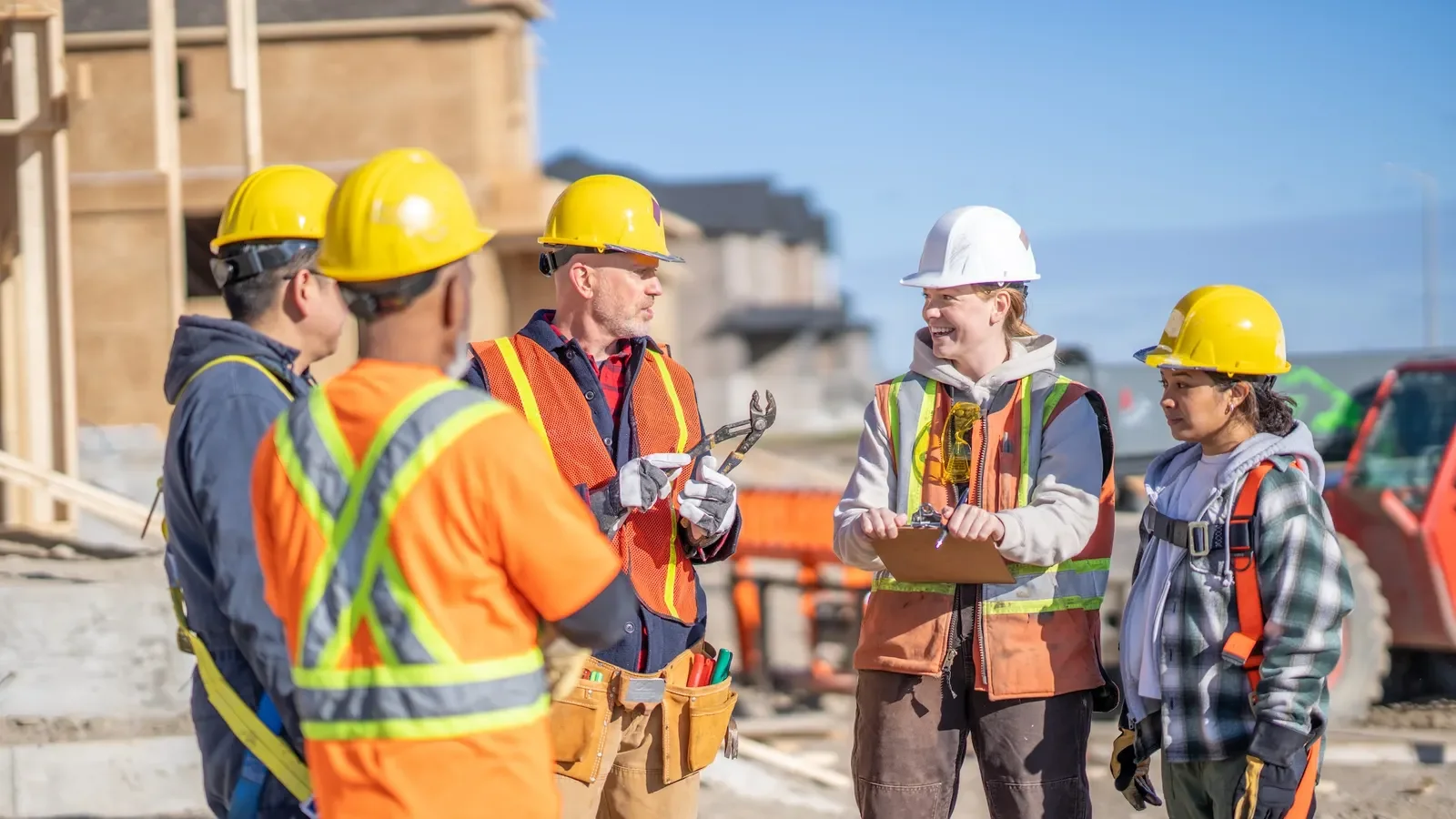
As we approach Labor Day, it’s worth reflecting on the significant role employee ownership can play in revitalizing the construction industry. With less than 6,500 employee stock ownership plans (ESOPs) operating in the United States—only 787 of which are in California—the potential for widespread impact is quite high. Construction stands out, representing nearly 20% of all ESOPs, trailing only manufacturing and professional services.
The Case for Employee Ownership
The construction industry's landscape today remains dynamic, yet it also grapples with significant labor challenges. Rising material costs, supply chain issues, and a shortage of skilled labor are just a few hurdles that companies must navigate. Employee ownership through ESOPs offers a compelling avenue for revitalization, providing not just a financial framework but a holistic approach to employee engagement. By empowering workers with a stake in the company, ESOPs may address the ongoing labor shortage as well, keeping talent engaged and reducing turnover, which is a persistent problem in the industry.
The importance of this approach cannot be overstated. Employee ownership models are not merely a financial mechanism; they represent a philosophical shift in how businesses operate. Employee shareholders are less likely to view their roles as just a job. Instead, ownership instills a sense of commitment towards the overall success of the company. This shift in mindset can lead to increased productivity, higher morale, and, ultimately, better economic outcomes for both employees and employers.
The Ownership Effect
The essence of ESOPs goes beyond just financial returns; they cultivate an ownership mindset among employees. At Swinerton, this culture of engagement encourages continuous skill development and collaboration. For instance, when I needed flexibility as a single parent, my colleagues supported me in balancing my family commitments with professional responsibilities. This environment not only retains talent but also nurtures leadership from within. Companies that foster this kind of supportive culture typically see reduced absenteeism and improved job satisfaction. When employees feel valued as both workers and owners, they’re more likely to contribute ideas that drive innovation.
During my time, I transitioned from a support role to leading our national retirement program, witnessing how ESOPs can facilitate early retirement for many employees. Such opportunities are accessible across all levels of the organization, whether one finds themselves on a construction crew or in an administrative position. This transformative potential is significant. Early retirement might seem like a distant dream for many workers, but through employee ownership programs, it becomes a tangible reality. An engaged workforce is not just beneficial for the company; it’s life-changing for the employees involved.
Innovation through Collaboration
Everything about the ownership culture promotes innovation. Ideas are welcomed from all corners of the company, leading to new solutions that can drive efficiency and growth. For instance, I learned about a paperless approval process from a colleague, which I proposed at a managerial level and, after some testing, it became an operational standard in our department. This adaptability proved invaluable during the pandemic when many businesses struggled to pivot to electronic processes. That's a clear example of how ESOPs can stimulate creativity. Employees who feel a sense of ownership are often more willing to take risks and propose new ideas, knowing that their contributions are tied to their future successes.
The advantages of ESOPs extend beyond individual companies to the industry at large. Research indicates that companies with employee ownership often produce higher-quality products and services. Swinerton, in operation since the 1880s, exemplifies this connection between employee ownership and sustained growth. The persistent success of such companies is a testament to the strength of an engaged workforce. When employees know they have a stake in the company's performance, the overall quality of work tends to improve, which, in turn, bolsters the company’s reputation and profitability.
A Call for Expansion
While not every company can transition to an employee ownership model, an expanding coalition of organizations—nearly 100 in California alone—is actively working to promote ESOPs and enhance employee participation in their companies’ successes. This momentum offers hopeful prospects for workers who deserve a fair share of the wealth they help generate. Advocating for broader adoption of employee ownership isn't merely beneficial for employees; it's a strategic imperative for the industry. Employee ownership often leads to more resilient companies, lower turnover rates, and improved worker satisfaction.
Reflecting on my journey from a job-seeking phone call while perming my hair to a fulfilling career influenced by employee ownership provides a powerful narrative. This Labor Day, we should be advocating for broader employee ownership as a means to create more stories of success and security. If you're working in this space, consider how fostering a culture of ownership could benefit not just your bottom line but your team’s well-being as well. It’s time to ensure every employee can partake in the rewards of their hard work and dedication.
Future Outlook: The Long-Term Implications of ESOPs
The implications of expanding employee ownership aren't just theoretical; they have the potential to reshape the construction industry and beyond. Companies that adopt ESOPs may find themselves navigating changing labor markets with greater agility. As organizations actively seek ways to attract talent in an increasingly competitive environment, offering ownership can serve as a powerful differentiator. The trend toward employee ownership could also promote more sustainable economic growth by redistributing wealth to the individuals who contribute to it daily.
This isn’t just about business models; it’s about societal values. A shift toward employee ownership reflects a commitment to equitable wealth distribution and workforce empowerment. As we observe the widening income gap in many sectors, this model could serve as a counterbalance, fostering an environment where workers see direct rewards for their contributions. Such a transformation has the potential to invigorate communities, nurture personal investment in local economies, and ultimately lead to more dynamic and resilient industries.
Discussion
Sign in to join the discussion.