The Lowe's Foundation is partnering with major companies to train one million skilled trades workers by 2035, addressing the construction labor shortage.
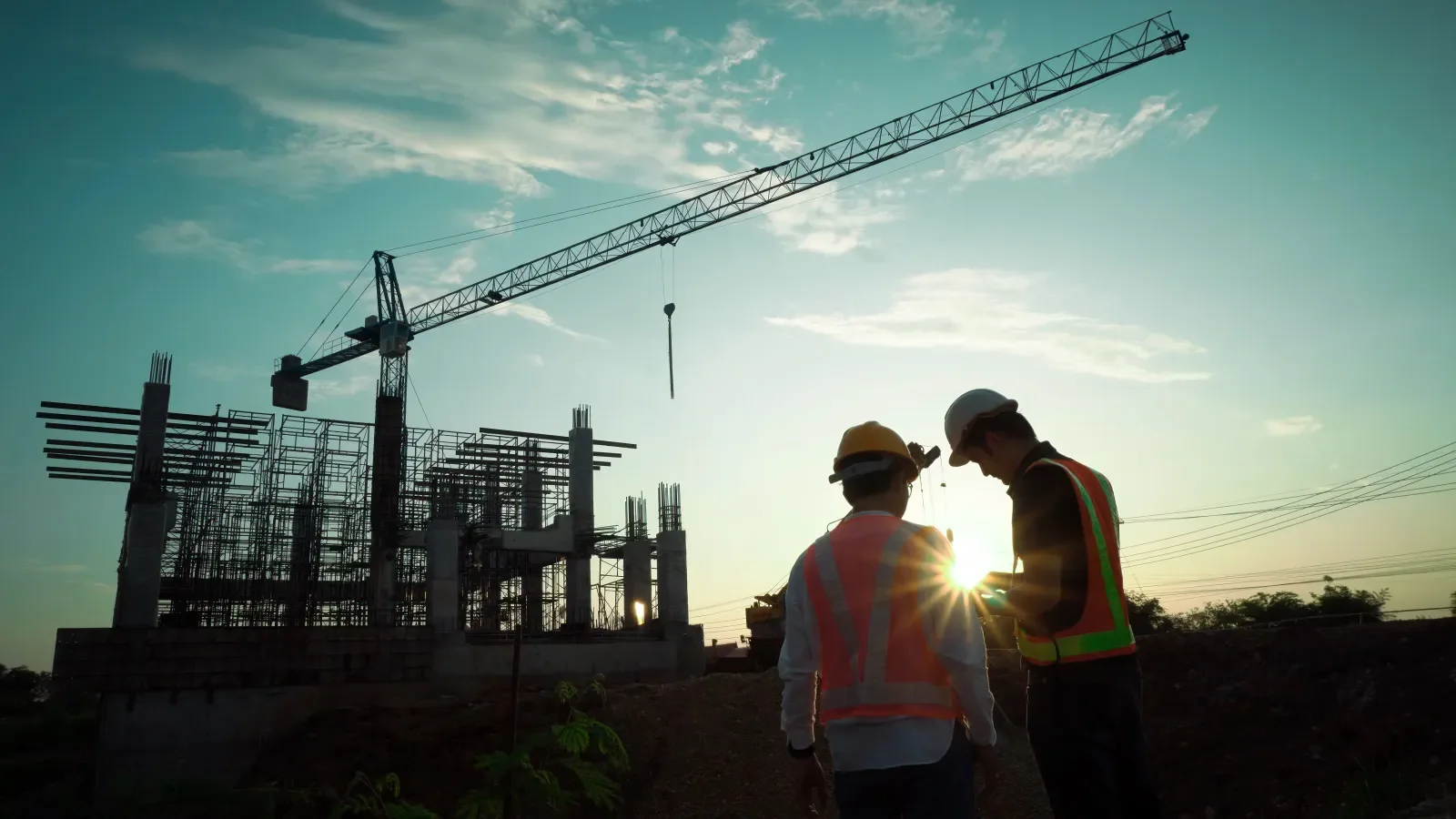
The Lowe's Foundation is elevating its workforce development initiative by collaborating with prominent corporations such as NVIDIA and General Motors. This strategic alliance's objective? To train one million skilled trades workers by 2035 through a new initiative known as The Building Futures Skilled Trades Coalition.
Strategic Collaborations to Address Labor Shortage
In its recent announcement, the Lowe's Foundation is reinstating its commitment to boosting the labor pool within the skilled trades. The foundation has brought together a distinguished group of U.S. businesses, aiming to reshape perceptions surrounding careers in the trades and enhance training methodologies. Corporate partners include tech and manufacturing giants like AT&T and Duke Energy, all of which are set to play a pivotal role in this extensive workforce training effort.
This collaboration isn't just a bandwagon move; it's a calculated effort to change the narrative about skilled trades. Many in the industry believe that these careers have been overlooked for too long, often overshadowed by the glitz of tech and corporate jobs. By teaming up with high-profile partners, the Lowe's Foundation is sending a signal that careers in the trades are not only viable but essential for the economy’s backbone.
Growing Industry Demand for Craftsmen
The construction sector is amid a notable labor shortage, with the Associated Builders and Contractors estimating a dire need for approximately 350,000 additional workers in 2026 alone. This shortage highlights the urgency for initiatives like Lowe's to effectively train and retain talent in the skilled trades sector, particularly as demand surges in areas like data centers. As digital infrastructure expands, the thirst for skilled workers who can build and maintain these facilities grows exponentially.
The current labor crisis that's gripping the construction industry is multifaceted. Factors like an aging workforce, fewer young people entering the trades, and the fallout from recent economic disruptions contribute to a significant talent gap. While major corporations are stepping in to address this, the real challenge lies in overcoming societal biases that elevate white-collar roles over blue-collar trades. If you’re working in this space, you’ll recognize that changing minds will be just as crucial as workforce numbers. Skilled trades are becoming less about the 'traditional' image and more about innovation and technical expertise.
Reinforcement from Industry Leaders
The coalition's ambition aligns with recent investments from tech titans. Earlier this summer, Meta and Google collectively injected $165 million into similar workforce initiatives. Such financial commitments emphasize a broader industry recognition of the skilled labor gap and the necessity to cultivate a new generation of tradespeople. This influx of resources isn’t incidental; it reflects a strategic initiative to align job training with real market needs, which can often get muddled in executive boardrooms.
It’s remarkable to see tech companies stepping into the skilled trades spotlight, as they often focus on high-tech job pipelines. But skilled trades and technology are increasingly intertwined. Data-driven tools, for instance, are becoming common on job sites, and companies need workers who can adapt to new technologies and methodologies. The recognition from these industry leaders could lead to more robust training programs, which would equip tradespeople with skills relevant to modern demands.
A Comprehensive Approach to Workforce Development
With over 75 member firms participating in the coalition, the Lowe's Foundation isn't just targeting recruitment; it aims to set measurable standards to evaluate the success of the training programs from the classroom to the job site. This holistic approach intends not only to attract but also to sustain interest in skilled trades careers. Such rigorous standards are vital in addressing the perception that training in the trades is a second-tier option, when, in fact, it's crucial for the economy.
This is more significant than it looks. The retention of skilled labor is often overlooked. Investments in training won’t yield benefits if individuals leave the industry due to poor working conditions or lack of advancement opportunities. Creating a sustainable pipeline means not only attracting new talent but also making sure they have satisfying career paths ahead of them. And this is the part most people overlook: Once you’ve trained a skilled worker, if the environment isn't right, they may seek greener pastures outside the trades.
Marvin Ellison, Lowe's chairman and CEO, encapsulated the vision succinctly: “The next industrial revolution won’t be built by algorithms alone. It will be built by the millions of skilled trade professionals who power, connect and move this country forward.” His insight underscores the vital role that these workers will play in shaping the future of industries across the board.
The support from corporate giants and the focus on worker retention indicate a shift in industry attitudes. Workers are not merely cogs in a machine; they're the driving force behind innovation and infrastructure. As this craft workforce continues to evolve, Lowe's Foundation's initiative to train one million skilled trades workers represents a significant step toward addressing an ongoing labor crisis critical to the construction industry’s growth.
Future Outlook: What Lies Ahead for the Skilled Trades
As Lowe's and its coalition push forward, the focus will likely expand beyond just numbers. Increased synergy between tech innovations and skilled labor could redefine what it means to be a tradesperson in the future. Skilled trades could attract a diverse pool, particularly if their roles are framed within the context of technology and innovation.
However, the question remains: Will this initiative effectively change long-standing perceptions? Achieving goals like training one million skilled workers isn't just about teaching techniques; it's about convincing a new generation that these careers offer stability and satisfaction. If the industry fails to address this narrative, all the training programs in the world won’t fill the gaps. The challenge, as always, will be aligning employers’ expectations with the hopes and aspirations of a new workforce.
Discussion
Sign in to join the discussion.