Caterpillar partners with FieldAI to enhance machine autonomy, focusing on safety and productivity on construction sites.
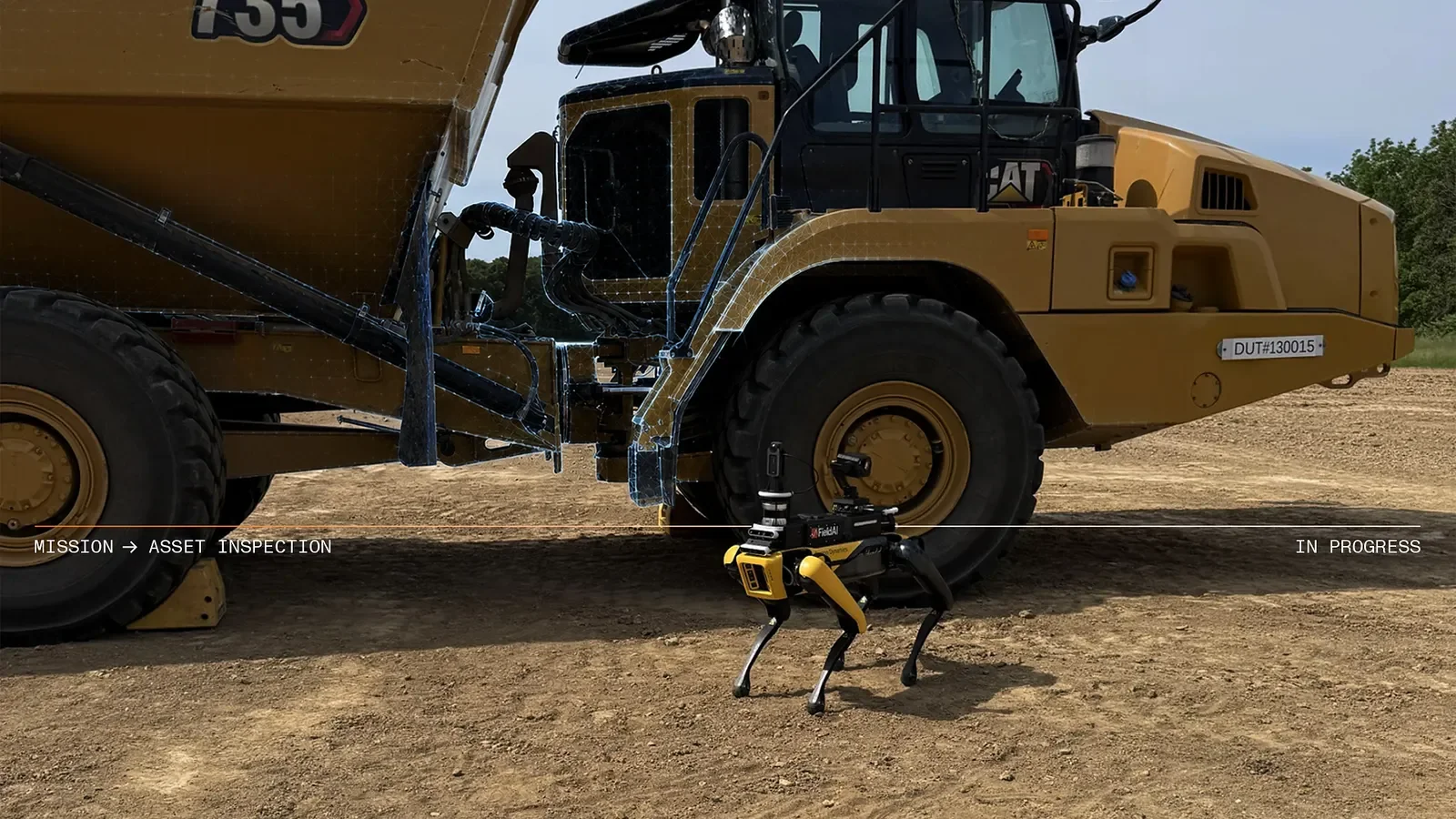
Caterpillar has forged a partnership with FieldAI to integrate its expertise in heavy machinery with FieldAI’s artificial intelligence capabilities. This collaboration aims to automate various machines in Caterpillar’s lineup, significantly improving jobsite efficiency and safety.
Strategic Collaboration
The heavy equipment manufacturer plans to merge its operational insights with FieldAI's advanced robotic foundation models. The goal? To enable contractors to operate machinery autonomously, optimizing workflow across various projects. This initiative is a direct response to an increasing demand for automation solutions in the construction sector, which is under immense pressure to improve efficiency while managing rising labor costs and safety concerns. Companies recognize that automating repetitive tasks can free up human labor for more complex responsibilities, ultimately enhancing the overall productivity of project teams.
Focus Areas
- Key applications envisioned through this partnership include:
- Autonomous equipment inspections.
- Digital twins for jobsites and facilities to enhance monitoring.
- Improved situational awareness to anticipate and mitigate risks more effectively.
Context of the Collaboration
This partnership comes at a pivotal time as the construction industry witnesses a surge in robotics adoption. Notably, companies like Bedrock Robotics have already deployed autonomous machines to improve project outcomes, proving the potential of technology in a traditionally manual field. Caterpillar’s selection of FieldAI stems from the latter’s strong competency in deploying robots that can navigate the unpredictable conditions often encountered on construction sites. This is critical because unlike other industries, the construction sector is characterized by variability—weather, terrain, and project specifications can all change quickly.
Challenges persist in integrating robotics within construction—consider the unpredictable variables on a job site. FieldAI’s technology is designed to channel disparate data into actionable insights, ultimately addressing these challenges. Caterpillar’s chief technology officer, Jaime Mineart, highlighted, "The future of our industries will be shaped by how effectively we combine human expertise with AI-powered machines." This sentiment reflects an industry-wide acknowledgment that synergy between human skill and technology is the most promising path forward.
Here's the thing: companies that are early adopters of such technology can expect a dual benefit. Not only will processes be streamlined, but there'll also be a heightened focus on safety and productivity. The collaboration between Caterpillar and FieldAI signals a significant move towards a more automated future in construction that seeks to redefine operational effectiveness—replacing outdated practices with intelligent solutions.
Implications and Future Outlook
As businesses adapt to this new era of AI and robotics, several implications arise. For contractors and operators in the construction sector, this means embracing a shift in skill requirements. Workers will increasingly need to understand AI and its applications in machinery operation. Enhanced technical training will be essential, transforming the workforce from manual laborers to skilled operators capable of managing advanced systems. If you're working in this space, keep an eye on educational programs emerging to meet this new demand.
Another key aspect to consider is the economic impact of such collaborations; automating machinery could significantly lower operational costs over time. While the initial investments may seem steep, the long-term savings in labor and improved project timelines may considerably outweigh the costs. That said, skepticism remains—will small and mid-sized contractors have the resources to match these advancements? The disparity in capability could widen the gap between industry leaders and the rest.
Furthermore, a more automated construction environment raises important questions about job displacement. Automation often brings fears of reduction in jobs, but it can also create opportunities for new roles focused on oversight and maintenance of autonomous systems. The challenge will be balancing this transition, ensuring workers have pathways to retrain and adapt. And yet, much of this is contingent on company culture and leadership's willingness to invest in their people.
In sum, Catalytic and FieldAI’s partnership isn’t just about integrating machinery with AI; it’s about reshaping the workforce and operations of an entire industry. The potential for increased efficiency is substantial, but it will require careful planning and consideration to ensure that the benefits are realized across the board. As technology continues its march into construction, being prepared to adapt will be key to thriving in this changing landscape.
Discussion
Sign in to join the discussion.