The FAA is committing $481 million through 191 grants to enhance airport infrastructure in 36 states and two territories.
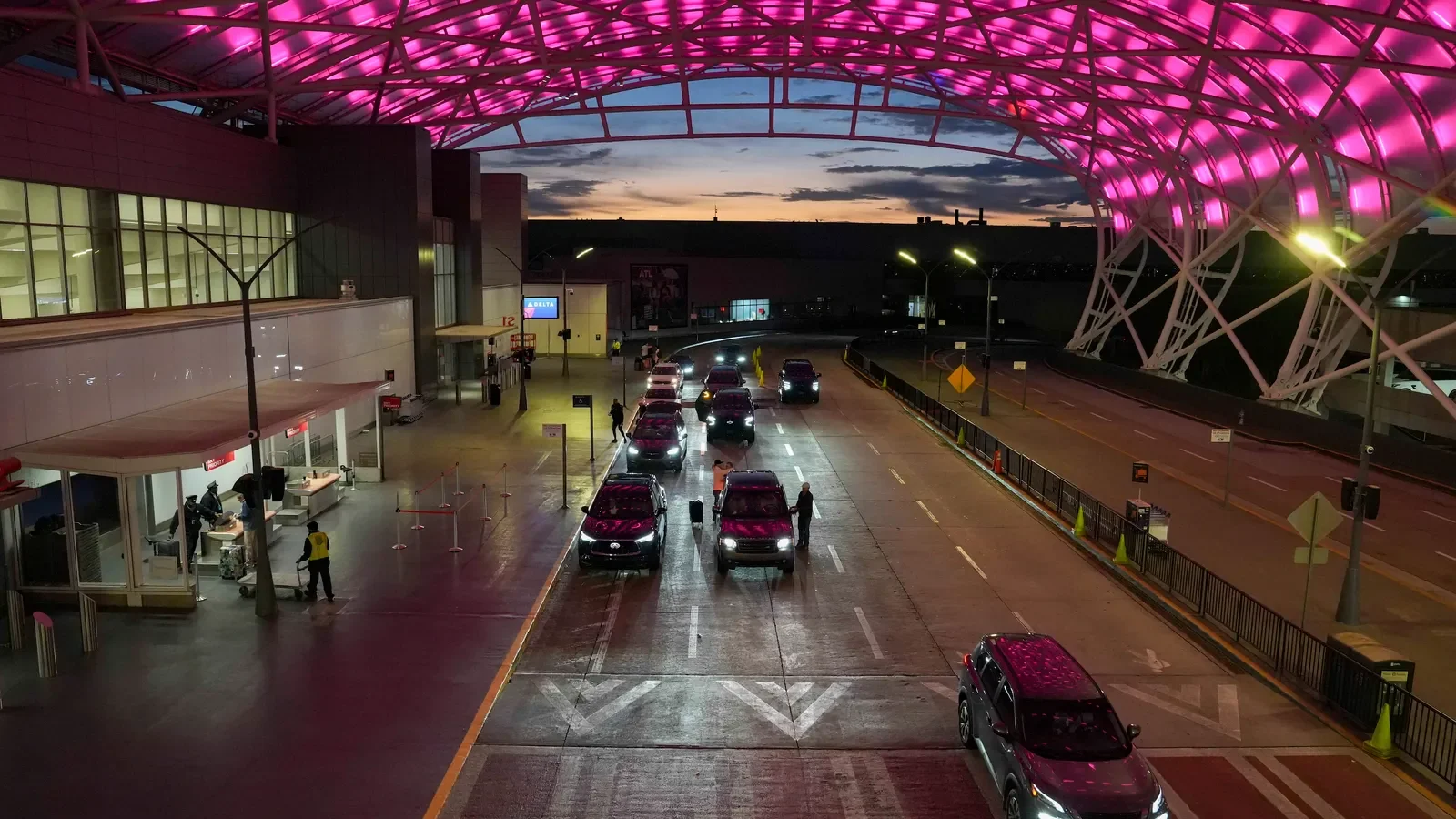
The Federal Aviation Administration (FAA) is set to allocate $481 million across 191 grants specifically aimed at improving airport infrastructure, as outlined in a recent announcement from the Department of Transportation. This initiative impacts airports in 36 states and two territories, supported through the Airport Infrastructure Grants program.
Funding Breakdown
The purpose of these grants is to facilitate terminal enhancements, runway upgrades, taxiway construction, and overall airport rehabilitation work. Notably, this funding stems from the $1.2 trillion Infrastructure Investment and Jobs Act, which encompasses a five-year commitment providing a total of $14.5 billion for such projects, starting from fiscal year 2022. This sizable investment signifies a concerted effort by federal authorities to modernize aging airport facilities, which have faced criticism for operating at inadequate standards in some cases.
With the aviation sector rebounding following disruptions caused by the COVID-19 pandemic, improving airport infrastructure has become pressing. This category of renewal often includes not just physical upgrades but also the implementation of technology that can enhance passenger experiences and operational efficiency. Airports serve as critical nodes in the economy, facilitating travel and trade, so ensuring they meet contemporary needs is paramount.
Significant Projects
A few key allocations include $100 million for upgrades at Hartsfield-Jackson Atlanta International Airport, focusing on runway, taxiway, and terminal reconstructions. This particular airport is the busiest in the United States, and such ample funding suggests a strong recognition of its pivotal role in both domestic and international travel. Indianapolis International Airport will also receive $39 million to improve its terminals, reflecting a growing trend where mid-sized airports are receiving attention to up their game in service quality.
Other notable financial commitments involve $32.5 million for terminal reconstruction at Louisville Muhammad Ali International Airport and $30.3 million to enhance facilities at San Diego International Airport. These projects not only aim to increase capacity but also modernize amenities—upgrading everything from seating areas to food options, which affect traveler satisfaction significantly. (And this is the part most people overlook: modern amenities can be as important as reduced wait times when it comes to airport facilities.)
Industry Impact
This funding reflects a strategic investment in some of the busiest airports in the nation, with FAA Administrator Bryan Bedford stating, “We’re investing in airport infrastructure that keeps travelers safe and airports operating efficiently.” Transportation Secretary Sean Duffy echoed this sentiment, emphasizing the importance of such upgrades in meeting the demands of modern travel. This kind of funding is indicative of a broader recognition that efficient air travel is not just an operational necessity; it's also a matter of economic competitiveness.
Such investments have ripple effects as well. They often lead to job creation during both the construction phase and through the improved service offerings once completed. Local economies surrounding these airports can thrive as they adapt to increased passenger traffic and economic activities. This investment also follows a substantial $870 million investment announced in August through the same fund, highlighting the agency's ongoing commitment to enhance U.S. airport infrastructure—and by extension, the national economy.
Challenges Ahead
Despite the optimistic projections associated with these federal grants, challenges persist. The construction industry is facing its own hurdles, primarily driven by supply chain disruptions and skilled labor shortages. Airports may find themselves grappling not only with funding allocations that come with timelines but also with the reality of delivery delays for critical materials. If you're working in this space, you’ll know that meeting deadlines becomes pressurized when external factors intervene. A project may be fully funded, but actual implementation can be delayed—not a boon for travelers who expect improvements to come swiftly.
Moreover, the effectiveness of these projects depends largely on local airport administrations’ ability to execute upgrades efficiently. Each airport has different levels of bureaucratic procedures, and sometimes red tape can slow progress. A focus should also be placed on ensuring that the improvements don't just enhance the airport physical structures but also integrate seamlessly with surrounding urban environments, effectively connecting modes of transportation.
Future Outlook
The future of airport funding appears to be on solid ground, but a cautious approach is warranted. As travel demand increases, there will inevitably be more pressure on existing infrastructure. If the FAA continues this trajectory of investment, we might see a change in how airports are designed and operated—shifting toward more sustainable practices and smarter technologies.
Long-term sustainability in airport funding will depend on public perception of these facilities, the efficacy of upgrades, and the ever-changing dynamics of air travel consumption. How travelers respond to such enhancements will ultimately feed back into the economics of further investments. The bottom line is clear: if airport infrastructure upgrades are to meet future demands, ongoing assessments and proactive investments will need to be prioritized by officials. This isn’t just about concrete and steel; it’s about the modern traveler’s expectations for convenience, safety, and satisfaction.
Discussion
Sign in to join the discussion.