Mortgage professionals are recalibrating strategies as Federal Reserve Chairman Kevin Warsh hints at sustained high interest rates without immediate relief.
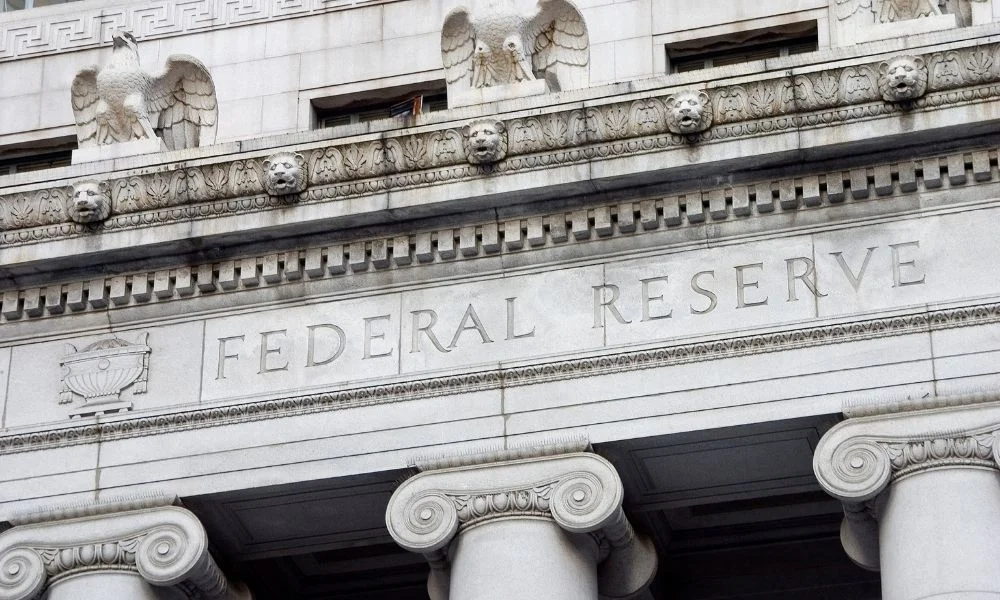
Mortgage professionals are recalibrating their strategies amidst shifting interest rate expectations, spurred by insights from Federal Reserve Chairman Kevin Warsh. His recent, hawkish statements suggest that the central bank may not decrease rates as soon as previously hoped, forcing originators to reassess their pipelines.
Market participants are closely monitoring Warsh's commentary on inflation and the labor market, both of which indicate that any rate cuts might be further down the line. These developments are impacting revenue projections and lending strategies across the industry.
Current Market Sentiment
The financial markets and mortgage industry are reacting to the possibility of prolonged high rates or even additional hikes, leading many to recalibrate their assessments of future business conditions. The general sentiment is mixed, with rising concern that previous forecasts for easing monetary policy may have been overly optimistic.
In light of these conditions, loan originators are facing mounting pressure to adjust their revenue forecasts and lending strategies for the upcoming quarters. Many are now preparing for potential scenarios where the cost of borrowing remains elevated.
Economic Indicators at Play
Central to these considerations are a few key economic indicators, including core inflation rates that significantly exceed Federal Reserve targets. Warsh's focus on these metrics underscores a persistent inflationary environment that complicates the paths to future rate reductions.
- Core Inflation Pressures: Continuing cost increases in the service sector are not aligning with the Fed's targets.
- Benchmark Rate Outlook: The potential for stabilization rather than cuts looms large over the market.
- Borrowing Costs: Current rates for 30-year fixed mortgages remain firmly in the high ranges, shaping borrower decisions.
Challenges for Borrowers and Originators
For those directly involved in home financing, the uncertainty surrounding rates is causing consumers to hesitate. Many prospective buyers are delaying purchases in hopes of seeing rates dip below the 5% range, only to find them still hovering in the mid-to-high 6% range instead. This disconnect poses a challenge for loan originators.
In response, professionals are emphasizing education around financing options, such as temporary interest rate buydowns and adjustable-rate mortgage structures, to help clients understand their possibilities. Highlighting the risks associated with waiting for better rates is also essential, especially given the constrained inventory in many metro markets.
Strategic Adjustments in a High-Rate Environment
Amid these challenging conditions, mortgage brokers appear to be reassessing their business strategies. Relying solely on the traditional waves of refinance applications or organic purchase queries is unlikely to be viable as rates remain high for an extended duration.
Leading market players are enhancing collaborations with real estate agents, wealth managers, and financial planners to create a more cohesive referral network. This shift emphasizes the importance of offering comprehensive, consultative financial insights rather than merely focusing on rate listings.
Adapting to a Shifting Landscape
Mortgage professionals must also pay attention to the evolving underwriting standards and tightening credit conditions that accompany high borrowing costs. It’s crucial that originators refine their pre-qualification processes to secure the best candidates under increasingly stringent metrics.
By integrating thorough financial modeling discussions into client interactions, loan officers can underscore the long-term advantages of property ownership despite the prevalent rate volatility. This strategic advisory approach is likely to be key to maintaining steady production amid fluctuating market cycles.
Brokerages are also tweaking their execution strategies in the secondary market to boost profitability per deal. By exploring niche products like non-QM loans and bank statement programs, originators can tap into segments of the market often neglected by standard lending practices. This diversification can safeguard revenues as traditional purchase volumes come under pressure.
Lastly, fostering lock-and-shop programs and extended rate-lock commitments can provide essential security against sudden shifts in rates, increasing borrower confidence in a turbulent economic climate. The path ahead for loan originators is undoubtedly one of operational flexibility and proactive engagement.
Discussion
Sign in to join the discussion.