Data centers are facing a severe shortage of skilled workers, pushing employers to seek talent from adjacent industries while wages continue to rise.
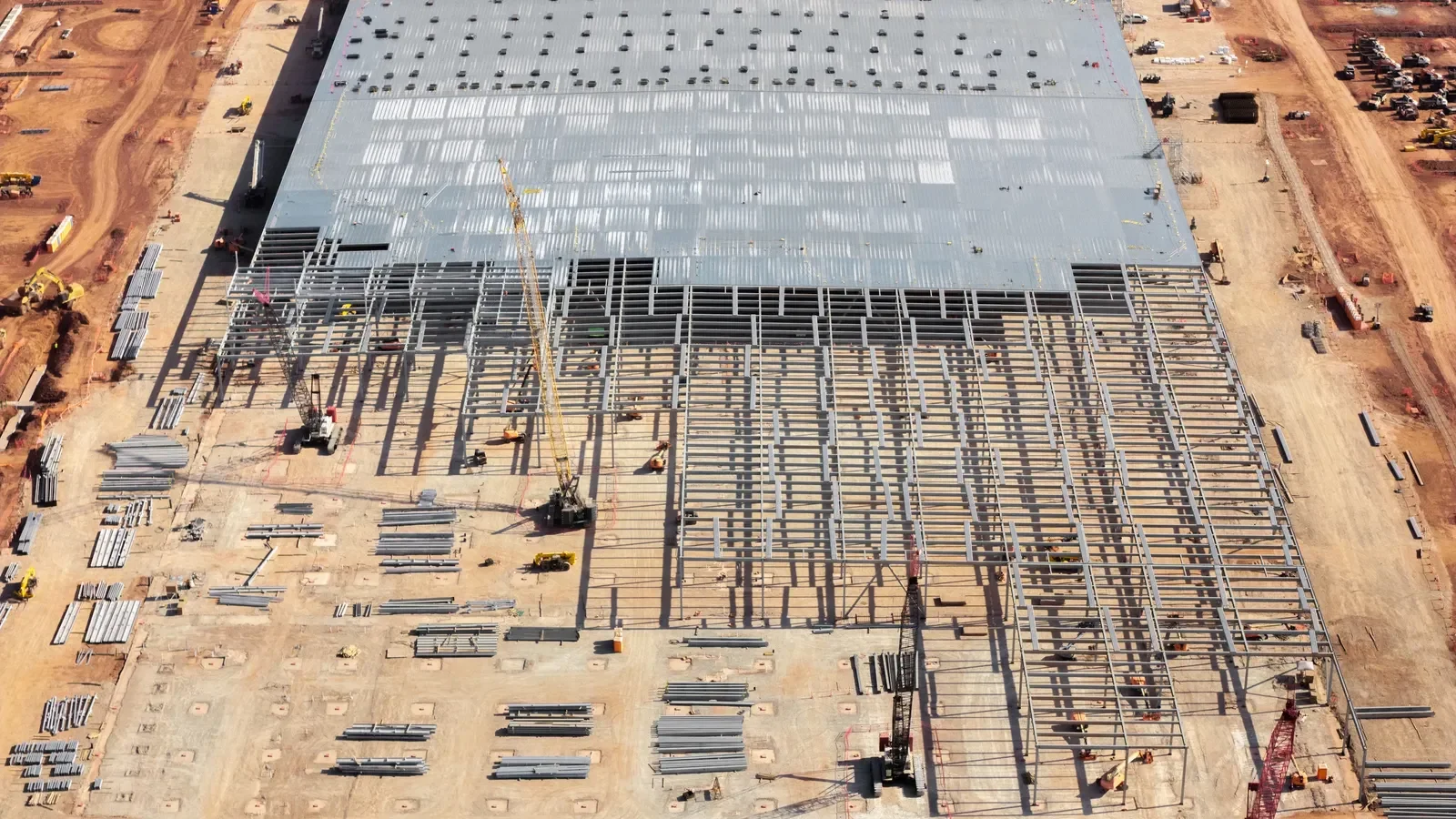
Data center development has exploded, particularly influenced by a surge in artificial intelligence investments and increasing demands for cloud services. This growth trajectory is outpacing the available skilled workforce, leading to significant labor shortages and escalating wage pressures in the sector. This surge is emblematic of broader trends in tech, where rapid advances in data processing and storage are reshaping the entire computing environment.
Rising Employment Demands
According to a recent report by Kelly Services, data center employment is projected to hit 650,000 positions by 2026, marking a substantial 30% increase from 2023 figures. This boom is expected to create over 180,000 construction-related roles through 2028. However, the industry faces a critical struggle to fill these positions. Compounding the issue, about 25% of current personnel are being poached by competing operators and hyperscalers—companies that dramatically increase their data processing capabilities through large-scale infrastructure investments. This not only highlights a competitive battle for talent but also the fragility of the existing workforce.
Strategizing for Talent Acquisition
To mitigate these challenges, Kelly Services advocates for a strategic approach focusing on talent sourcing from closely related technological sectors, such as telecommunications and utility management. This strategy isn't surprising; specialty skills and knowledge often transfer well between these fields, making skilled professionals more adaptable to the unique demands of data center roles. Employers are encouraged to implement rapid upskilling programs that create a specialized workforce capable of tackling the evolving demands within data centers.
These upskilling initiatives aren't just about teaching new technology; they also aim to instill a sense of loyalty among employees. In today’s job market, where skilled workers are in high demand, retaining talent requires more than a paycheck. Companies are beginning to recognize the value of investing in their teams to cultivate a more engaged workforce.
Insight on Workforce Constraints
The growing competition for skilled workers is seen as a microcosm of challenges faced across various industries grappling with heightened demand and a limited supply of qualified candidates. Joel Leege, president of Kelly Science, Engineering, Technology & Telecom, highlighted that “the biggest constraint is no longer just power, land, or equipment. It’s talent.” This assertion underscores the shifting dynamics in sectors heavily reliant on specialized knowledge, where human capital now stands as the chief barrier to growth.
Despite a glaring acknowledgment of staffing shortages as a primary obstacle to expansion, many organizations suffer from what Kelly describes as a “workforce planning failure.” This misalignment indicates that while companies are aware of the shortage, they may not be prepared to act effectively. Such failures can stem from lagging hiring processes or inadequate forecasting of future needs, making it challenging to react swiftly to market changes. Salaries continue to rise in response to this talent scarcity, with pay differing greatly across the U.S. market. For instance, AI engineers are fetching a national midpoint salary starting at $175,000, while construction managers average around $128,000. These disparities highlight an urgent need for businesses to assess and recalibrate their compensation practices to remain competitive.
Adjusting Recruitment and Retention Strategies
Industry leaders are reconceptualizing their recruitment and retention tactics in light of ongoing labor challenges. Employers are not only enhancing compensation packages but also introducing benefits designed to attract and retain talent. Examples include formal mobility programs to facilitate relocation for remote projects, student loan assistance, and interestingly, opportunities for career advancement. These benefits could play a pivotal role, particularly in attracting younger talent who prioritize professional development over mere salary.
The demand for skilled professionals isn't confined to data centers; it's also siphoning talent from a variety of sectors. A survey conducted by the National Fire Protection Association indicates that trained individuals are increasingly being drawn away from their original roles to capitalize on new opportunities within data centers. The broader implications of this are significant: sectors once stable may face their own labor shortages, creating a ripple effect across the job market.
Research indicates that, amidst this fierce battle for skilled labor, the time required to hire for skilled trades has extended significantly, now taking longer than many knowledge-based occupations. Why’s that? The urgency for trade professionals surges as infrastructure for artificial intelligence continues to expand rapidly. The need for immediate solutions clashes with the actual time it takes to train and hire qualified individuals, creating a bottleneck that could impact the industry's growth trajectory.
Implications for the Future
As the data center market undergoes unprecedented growth, employers now face a dual challenge: not only must they secure adequate talent to fuel this expansion, but they also need to navigate a labor market that’s in constant flux. The battle for talent is heating up, and companies that fail to adapt may find themselves sidelined. Creative and effective talent management strategies are essential for sustaining momentum and achieving operational success in this evolving sector.
If you’re working in this space, consider the ramifications of these trends not just for your organization, but for the industry as a whole. The implications are vast—and not just for hiring managers and HR departments. Companies might find that investing in their workforce is not merely an expense but an essential part of future-proofing their operations in a volatile market.
This isn't just another recruitment issue; it’s a systemic challenge that could potentially reshape entire sectors. The firms that acknowledge and adapt to these shifts will not only survive but thrive in the changing economy.
Discussion
Sign in to join the discussion.