Construction costs surged 7.4% year-over-year, indicating potential instability ahead. Stakeholders must adapt to rising material prices for sustainable growth.
Rising Construction Costs Signal Unstable Future Outlook
The recent data reveals construction costs escalated by 7.4% year-over-year as of July 2026, continuing a troubling trajectory that many contractors are already anticipating will worsen. Economists, including Anirban Basu from Associated Builders and Contractors (ABC), indicate that fluctuations in fuel prices and the uptick in costs for vital materials, such as lumber and metals, could lay the groundwork for sustained price hikes in the near future. This isn’t just an isolated issue; the ripple effects of these increases resonate throughout the broader economy, impacting everything from home prices to infrastructure projects.
Key Financial Indicators
According to the latest analysis of the U.S. Bureau of Labor Statistics data, construction input prices experienced a slight increase of 0.1% month-over-month in July. At first glance, this appears marginal, but the underlying trends tell a more complex story that suggests a more pronounced escalation is inevitable. Basu highlighted a temporary stabilization in prices largely attributed to decreased energy costs, specifically an 11.9% dip in crude petroleum and a 7.4% drop in unprocessed energy materials during the same period. These numbers can be misleading, however. The stability offered by lower energy prices might not last, and stakeholders should remain cautious.
Volatile Energy Prices and Their Implications
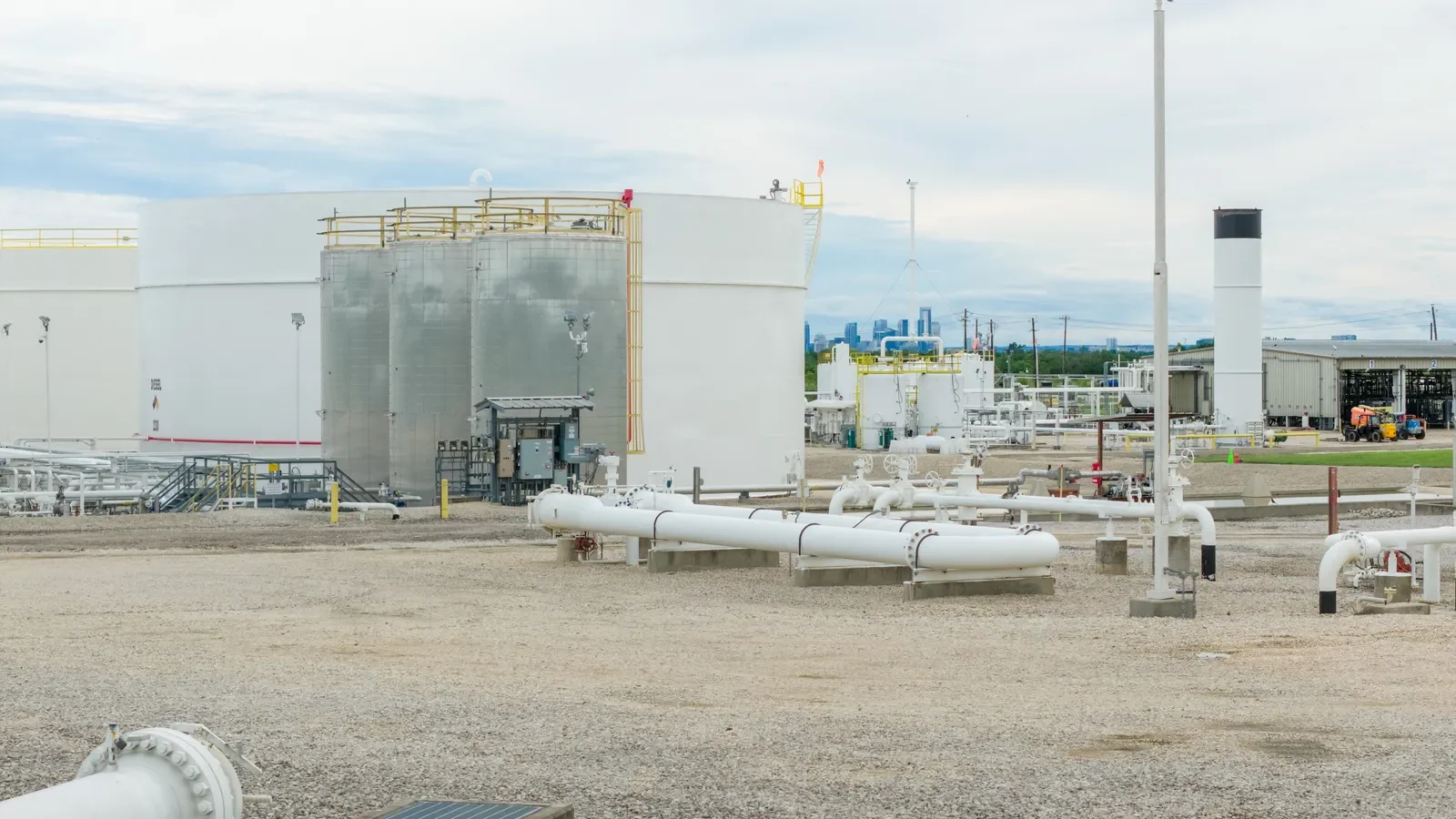
But here's the thing: this stable phase may be short-lived. The brief moderation in monthly cost increases could overshadow a looming crisis in material prices. As Basu noted, "Given the subsequent rebound in oil prices and ongoing increases in certain materials prices," expectations lean towards a resurgence in overall costs. For instance, diesel fuel prices surged by over 50 cents per gallon within weeks of the index measurement, indicating a volatile energy sector that could push construction costs even higher. Such spikes in fuel prices significantly affect logistics, driving up transportation costs for materials and further straining budgets. For an industry already grappling with thin profit margins, this kind of unpredictability is concerning.
Despite the creeping costs, there’s a silver lining. The prevailing sentiment among contractors remains optimistic. They expect profit margins to expand over the next six months, even amidst these inflationary pressures. This resilience may hint at an industry better prepared to navigate increasing expenses, but it also raises questions about long-term sustainability in the face of volatile input prices. Profitability may be currently achievable, but what happens if fuel prices continue to rise? This is more significant than it looks; the contractors’ optimism might be rooted in short-term adjustments rather than long-term strategies.
The Bigger Picture
The ongoing inflation and rising costs emphasize the importance of strategic planning in the construction industry. Key stakeholders should brace for fluctuations that could disrupt budget forecasts and project timelines. While contractors seem hopeful now, there's no denying that unchecked material and energy prices could tilt the balance between profitability and operational viability dramatically. If you're working in this space, getting a firm grasp on these trends is essential, not just for immediate financial stability but also for long-term planning.
In short, the construction sector stands at a pivotal moment. As input prices continue to fluctuate, staying ahead of trends in energy and material costs will be vital for maintaining profitability and ensuring effective project management practices. The question remains: can the industry adapt quickly enough to avert the strains of inflation without sacrificing growth? In reality, businesses must find a balance, and this is the part most people overlook—staying nimble while also being strategic isn't easy.
Future Outlook: Navigating the Uncertainty
Looking ahead, the construction industry must navigate an uncertain path. While the optimism among contractors may provide some confidence, the reality is that prices for raw materials are often dictated by global events beyond the control of any single company or stakeholder in the domestic market. Trade policies, international relations, and even natural disasters can have immediate and severe impacts on supply chains. The ongoing conflict in various regions and shifts in trade agreements could exacerbate this situation. Thus, industry leaders need to create more flexible business models that can withstand sudden cost increases.
The implications of rising construction costs extend beyond contractors. Homebuyers, urban planners, and even public officials will feel the ripple effects. As prices climb, potential new projects may be shelved, which can lead to a slowdown in housing availability. This, in turn, could set off a chain reaction affecting housing prices, making homes less affordable for many. The need for affordable housing is pressing, and any obstacles that serve to limit new construction will only add fuel to a fire already threatening many communities.
Ultimately, the construction sector's ability to navigate these challenges will depend not just on financial acumen but also on collaboration and adaptability. Stakeholders must communicate openly to forecast price fluctuations and plan accordingly. In this high-stakes environment, success will hinge on balancing immediate concerns with long-term investment strategies. The clock is ticking; adapting isn't just an option—it's a necessity.
Discussion
Sign in to join the discussion.