Manufacturing Boom: $2 Billion Investments Transforming North Carolina and Tennessee Markets
Published Oct 05, 2026945 readers
Caterpillar and Ultium Cells lead a $2 billion investment wave in manufacturing, enhancing production and creating jobs in North Carolina and Tennessee.
Significant Manufacturing Investments Announced
Recent announcements from key players in the manufacturing sector highlight an impressive wave of investment aimed at expanding production capabilities. Caterpillar and Ultium Cells, among others, have revealed plans that total around $2 billion, signaling a strategic move to address increasing market demands.
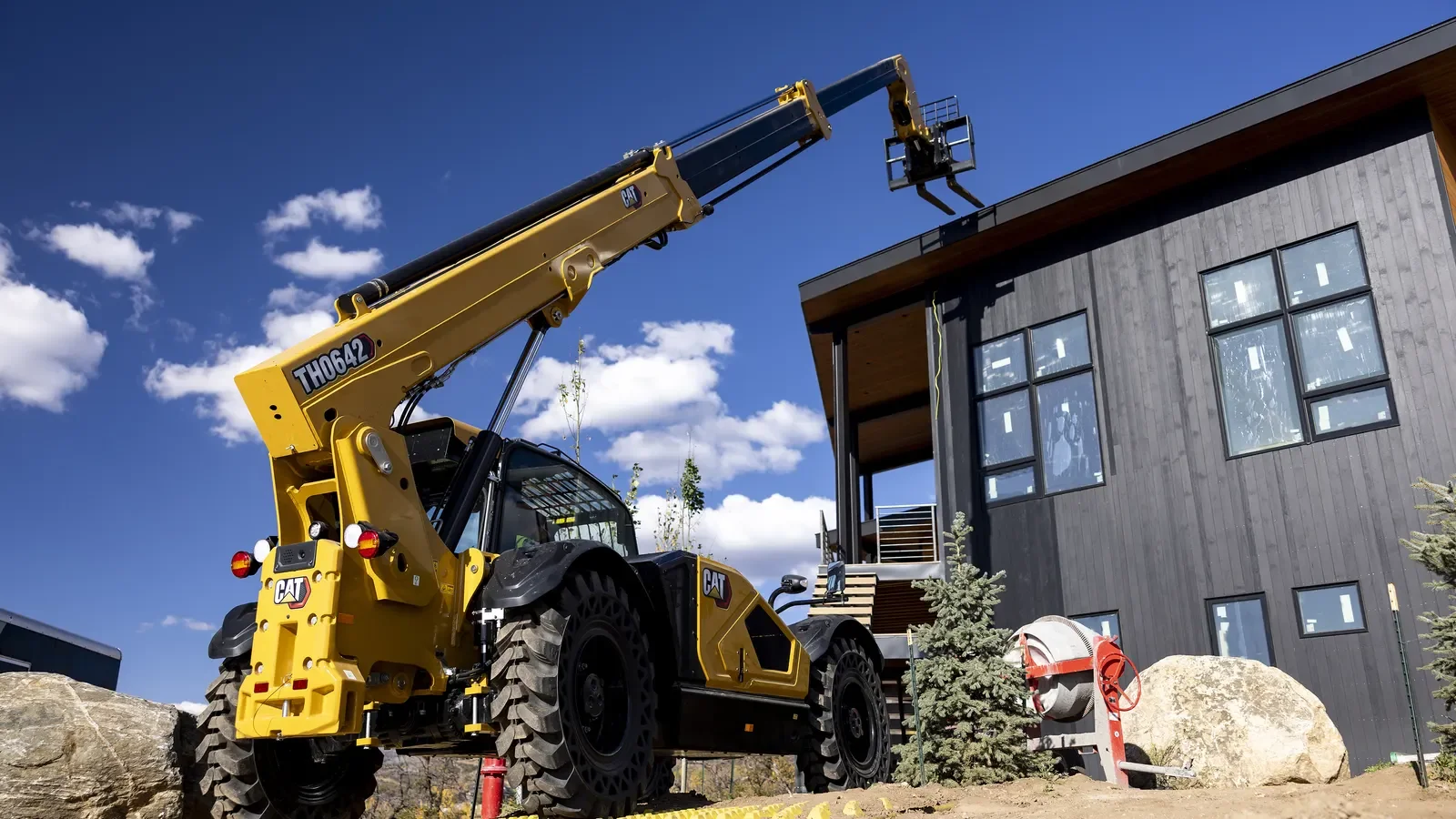
Caterpillar's ambitious investment of approximately **$1 billion** will be directed toward a new manufacturing facility in Sanford, North Carolina. This facility aims to bolster the production of compact construction equipment—essential machinery for small contractors and growing businesses. The company plans to incorporate advanced manufacturing techniques and automation into this site, intending to produce innovative equipment like compact track loaders and telehandlers, which are crucial for construction and agricultural tasks. However, there are still many unanswered questions regarding job creation and specific incentives tied to this project, leaving a notable gap in transparency about the benefits to the local community.
Ultium Cells' Battery Production Expansion
In tandem with Caterpillar's initiatives, **Ultium Cells**, a joint venture between LG Energy Solution and General Motors, has announced a massive **$1 billion** investment in its operations based in Spring Hill, Tennessee. This facility's retooling will enable the production of advanced lithium manganese-rich prismatic battery cells, which are expected to provide 33% greater energy density compared to traditional lithium iron phosphate cells at a similar cost. If successful, this will place Ultium Cells at the forefront of battery technology—a significant advancement as global demand for electric vehicles grows.
This particular project not only underscores Ultium's proactive response to market shifts but also highlights an ongoing challenge within the industry. Earlier this year, production had halted at their Ohio plant due to declining consumer demand, emphasizing how rapidly the landscape can change. The Spring Hill expansion aims to rectify this by creating an estimated **500 new jobs**, adding to the already significant investment these companies are making in the electric vehicle supply chain.
Expansions in the Biopharmaceutical and Aerospace Sectors
On a broader scale, **Genentech** and **Avio USA** have also initiated noteworthy projects. Genentech has started a **$750 million** expansion of its fill-finish operations in Hillsboro, Oregon, which will enhance its capabilities in manufacturing vital medications. This facility growth will double existing space and is expected to create **250 jobs** focused on blending technical skills with manufacturing expertise, aligning with current trends toward automation and robotics in the industry.
Meanwhile, Avio USA is breaking ground on its first U.S. facility dedicated to producing solid rocket motors, with an investment totaling **$500 million** in Hurt, Virginia. This facility not only strengthens the domestic defense supply chain but is projected to create over **1,000 jobs**, further demonstrating the government's commitment to bolstering job growth in the defense sector.
These developments illustrate that major corporations are positioning themselves to meet both current and future demands across various industries. As you witness these expansions unfold, understanding the economic implications, community impacts, and potential job creation becomes vital for grasping the overall trajectory of the manufacturing sector.
Looking Ahead: The Future of Facility Investments
The recent announcement of a $1 billion investment by Caterpillar and Ultium Cells in new facility development highlights a seismic shift in how companies are approaching future readiness. This is no small feat; the implications of such investments extend well beyond immediate job creation and infrastructure improvement. What’s evident is that both firms are strategically placing their bets on electric vehicle (EV) technology and battery production, confirming a trend that's been gaining ground in various sectors.
Here’s the thing: investments like these indicate a recognition that the demand for sustainable technologies is not just a passing phase. Companies are pivoting in an increasingly competitive market, where being able to deliver on sustainability commitments is crucial. If you're keeping an eye on the industry, this could signal a promising direction, prompting other players to up their game or risk falling behind.
Looking at the broader implications, it’s likely that these developments will amplify regional economies, particularly in areas where the facilities will be located. The ongoing trend toward electrification and renewable energy is becoming a central theme for many corporations, suggesting that we’re sitting on the verge of transformative shifts across multiple industries.
That said, it’s not entirely clear if these investments are just isolated ventures or part of a more extensive rethinking of how manufacturing operates in the face of environmental challenges. Metrics on this transition, such as actual production capabilities and timelines, still need better visibility.
Ultimately, as the industry grapples with these shifts, stakeholders will need to evaluate how such significant investments can be strategically incorporated to drive not only profits but also long-term sustainability goals. Keep an eye on these changes; they could very well shape the next chapter in industrial development, redefining what’s possible in the manufacturing space.
Discussion
Sign in to join the discussion.