Navigating Community Concerns in Virginia's Growing Data Center Market
Published Oct 05, 20264,182 readers
Data center contractors are adapting to increasing community scrutiny while maintaining project momentum amid evolving local regulations.
The Ever-Present Challenge for Data Center Contractors
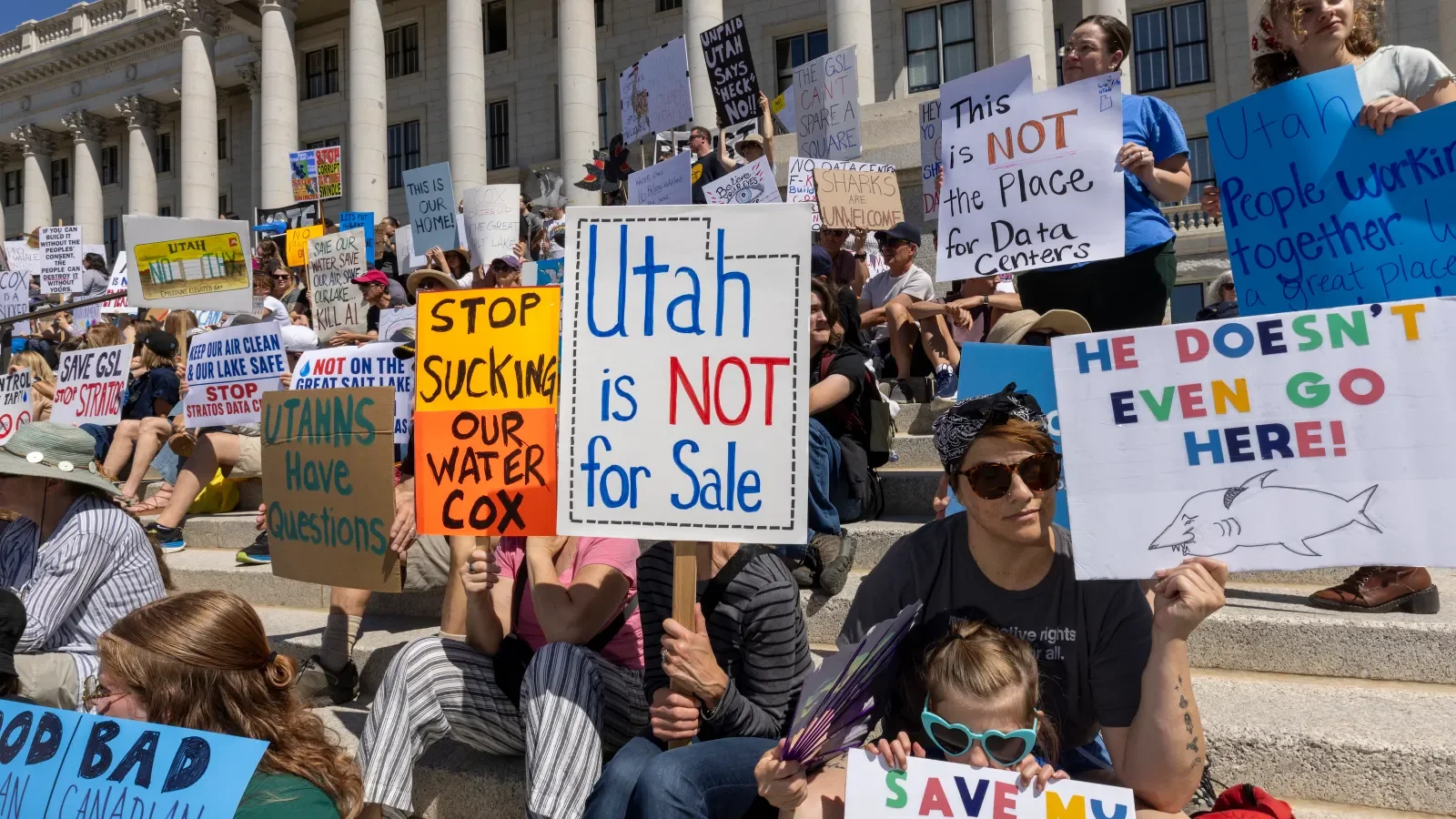
Contractors in the data center sector are navigating a turbulent reality: while community pushback intensifies, demand for new facilities remains unrelenting. Listening closely to local concerns is a priority, but for these professionals, the scrutiny has not dampened the need for expansion. In fact, they've found that increased scrutiny can lead to extended timelines and more intricate planning processes rather than halting projects altogether.
Chris Teddy, the national director of mission critical at JE Dunn Construction, shared insights that encapsulate this predicament. He noted, “We are seeing increased scrutiny in some marks, particularly around power availability, water usage, land use, and the overall community impact of large-scale data center developments.” Yet this heightened attention isn’t proving to be a dealbreaker for projects in the pipeline. Builders are accustomed to adjusting their strategies in response to community concerns, illustrating that the industry is capable of adapting to and addressing local sentiments.
Legal Changes and New Executive Orders
At the same time, regulatory changes are reshaping the operational landscape. Virginia's Governor Abigail Spanberger, for example, recently enacted an executive order that restricts the state’s assistance to data projects with a peak demand of 25 megawatts or more, while also mandating a closer examination of environmental impacts. Pennsylvania's Governor Josh Shapiro and Texas Governor Greg Abbott have similarly introduced measures that require a meticulous review of energy use and environmental assessments. These legislative changes might complicate projects further but haven't yet made a significant dent in the sector's momentum.
HITT Contracting's CEO, Kim Roy, remains optimistic. With over 25 years in data center construction, she asserts that the evolving regulatory framework is more about attentive listening than project stalling. In her view, community feedback is vital but hasn't shifted their timelines significantly. “I mean, at that point, it’s just listening and addressing the concern. It really doesn’t affect our build schedule,” she stated, emphasizing a proactive stance in engaging with community voices.
Adjusting to Community Sentiment
Receptiveness from local stakeholders is becoming a crucial factor in site selection for data centers. Contractors acknowledge the growing importance of community support and are starting to prioritize jurisdictions that align with their projects before any major investments are made. Teddy underscores that “poor reception can steer clients toward another market where better support exists,” which speaks to the necessity of adapting to local environments.
While contractors assert their willingness to engage with communities, there’s also a recognition that misconceptions about data centers persist. By shedding light on advancements in cooling technologies that use less water than older systems, industry leaders hope to frame new constructions in a more favorable light. Roy stressed the importance of transparent communication: “I think it’s important that the industry puts out the correct information on what does the current state look like and the evolution of that.”
In summary, the dual pressures of community engagement and regulatory scrutiny paint a complex picture for contractors in the data center field. Adapting to these challenges while maintaining momentum is a delicate balance, and how effectively they can navigate this landscape may well determine the future of data center development.
Conclusion: What's Next for Data Centers?
The latest trends in the data center sector reveal a complex web of challenges and adjustments as contractors adapt to rising external pressures. The increasing scrutiny on energy consumption and environmental impacts means contractors can't afford to ignore community sentiments. As demand for data storage continues to surge, the industry's response to local pushback could dictate its future trajectory.
What stands out is the degree to which local voices are shaping the conversation. This backlash isn’t just about short-term resistance — it signals a long-term shift in how data center projects will be approached. If you’re involved in this industry, it’s essential to understand that building relationships with communities will be just as important as meeting technological demands.
Let’s be clear: the path forward won’t be straightforward. There are no easy solutions here, and while adaptations will be necessary, the trade-offs might come at a cost. With investment in sustainable practices becoming a non-negotiable, companies will need to rethink their strategies and possibly even their core operating models. The challenge lies in balancing profitability with social responsibility.
As we look ahead, it’s worth considering how these pressures will shape the competitive landscape. Innovative strategies that prioritize community engagement could give forward-thinking contractors an edge. Ultimately, the ability to navigate both technological and societal challenges will determine who thrives in this evolving market.
Discussion
Sign in to join the discussion.