Big investors are reducing their acquisitions and selling properties, creating new opportunities for homebuyers in a cooling housing market.

For years, homebuyers have faced stiff competition from large institutional investors, but recent trends indicate a shift. Currently, these investors are pulling back significantly, creating a more favorable environment for individual buyers. This change could signal a turning point that many in the housing market have been anticipating.
Diminished Investor Activity
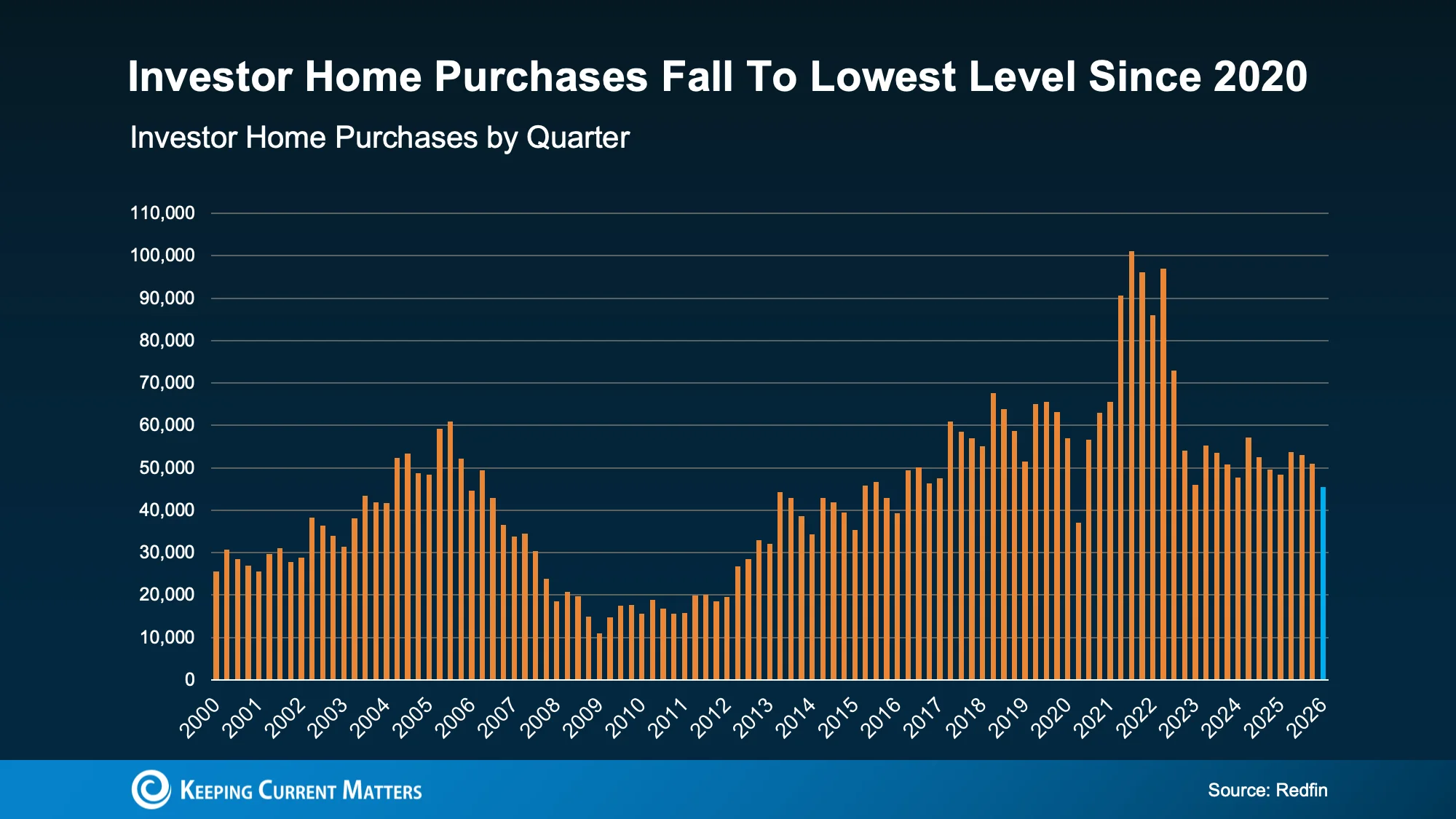
Recent data from Redfin reveal that investor purchases have plummeted to their lowest levels since 2020, coinciding with the pandemic's initial disruption to the housing market. Prior to this downturn, it hadn’t been this quiet for institutional investors since 2016. The drop-off indicates a notable change in market dynamics that could benefit regular buyers. After years of struggling against a wall of cash from institutional players, end-users are now seeing a rare window of opportunity.
Reasons Behind the Pullback
Several factors are contributing to this decline, leading to the question: why now? Firstly, new legislation has emerged targeting large investors, limiting their participation in the market. The government’s crackdown aims to enhance housing affordability for regular buyers who previously struggled to compete in fast-moving markets dominated by deep-pocketed investors. While these mega investors have historically represented a smaller slice of the real estate pie, the impact of regulatory changes is palpable. According to Thom Malone, Principal Economist at Cotality, the market reacted quickly to these new measures:
“When Washington announced its intention to curb institutional investors’ homebuying, the market reacted. Cotality data shows that investment by mega investors who own 1,000 or more properties retracted almost instantly.”
This is more significant than it looks. It signals that policy changes can, indeed, influence investor behavior in the housing market. Additionally, the broader housing market has cooled, with price growth slowing and even declining in some areas, making investments less appealing. Lance Lambert, CEO of ResiClub, noted:
“Ever since rates spiked and the Pandemic Housing Boom fizzled out in spring 2022, institutional single-family rental (SFR) operators have pulled way back from buying up homes on the resale market—the math just isn’t as appealing right now.”
Increasing mortgage rates have squeezed profit margins for investors typically banking on low-rate debt to fuel their acquisitions. Add to this mix the uncertainty surrounding the economy, and you've got conditions less favorable for investors who thrive when the market is hot. (And this is the part most people overlook.) The combination of regulatory pressure and higher costs makes it clear why institutional players are sitting on the sidelines.
Shifting from Buying to Selling
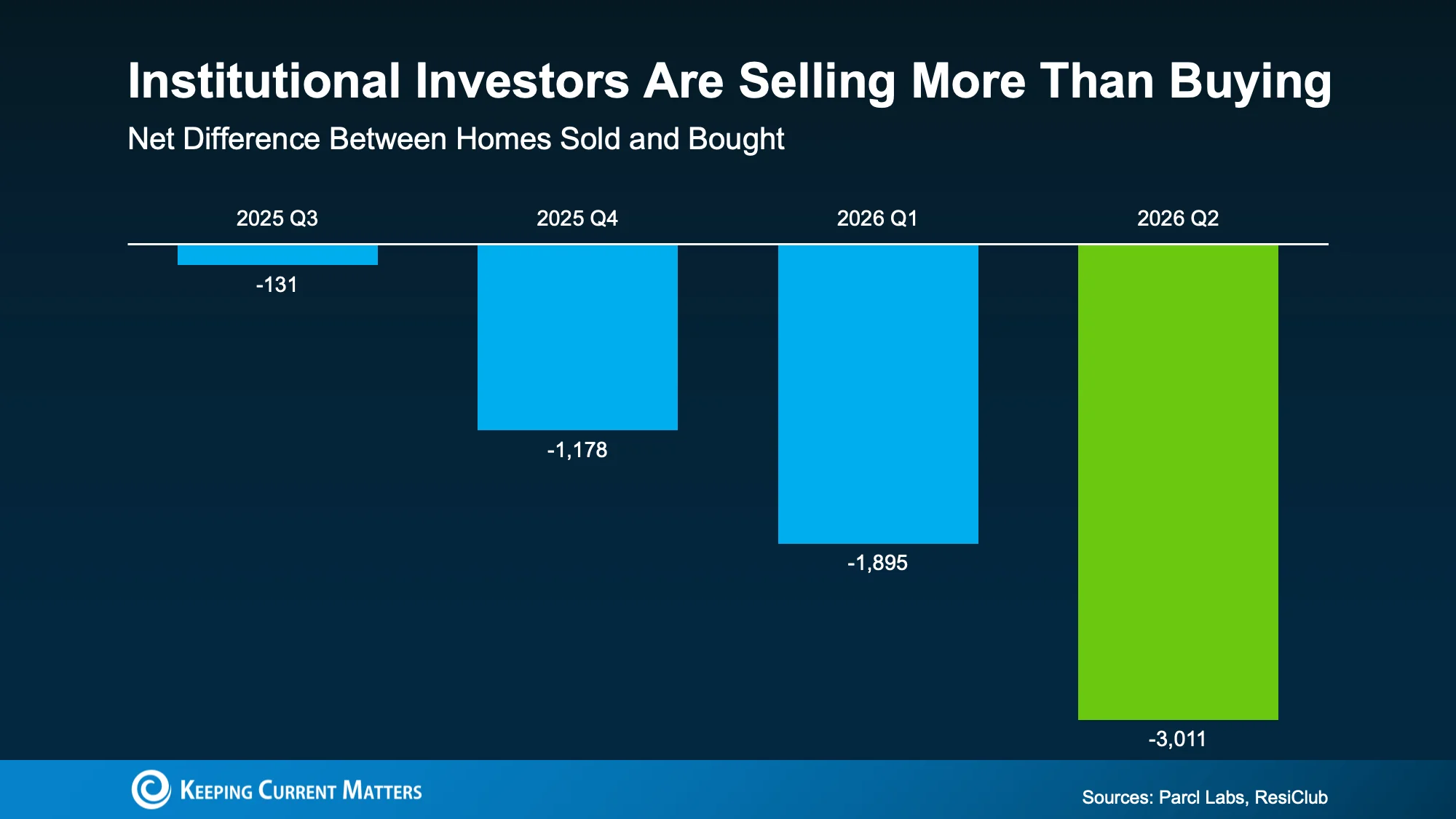
Interestingly, investors aren't just decreasing their purchases; they're also increasing their sales. Recent reports from Parcl Labs and ResiClub indicate that institutional investors are now selling more homes than they're buying, and this gap has been widening for the past four quarters. This trend provides potential buyers with increased options in the market. With more homes available, buyers may find it easier to land the home that fits their needs instead of battling for limited inventory.
As these homes re-enter the market, they’re often priced for first-time buyers, which is a pivotal opportunity. Malone describes this situation as a clear signal to potential buyers:
“. . . this sudden dropoff in institutional investment is a signal to first-time homebuyers that there’s an opening.”
The widening gap in investor activity hints at a retrieval of market power by everyday buyers. For those who felt crushed under the weight of institutional buying and rising prices, this shift can feel like a breath of fresh air. More listings and decreased competition could translate into better deals for individuals who have been waiting for the right moment.
Implications for Individual Buyers
The current cooling trend among big investors and their increased sales creates a unique moment for buyers. This is not merely a phase; it indicates a potential shift in who controls the market. Less competition means individuals looking to purchase might find opportunities that weren’t there previously. If you're working in this space, you might want to act swiftly. As the market adjusts and more first-time buyers enter, the window of opportunity could narrow again.
The resale homes listed by institutional investors often fill critical price points, allowing aspiring homeowners more options. Given that these homes are likely priced with first-time buyers in mind, it's essential for potential buyers to seize this moment. Connecting with a local agent could uncover options that fit your needs, as the market provides new possibilities. This shift represents a pivotal opportunity for individuals who were sidelined in previous bidding wars dominated by institutional capital.
Discussion
Sign in to join the discussion.