Texas data centers face a new challenge: securing public support amidst concerns over infrastructure and energy costs, shifting the focus from power access.
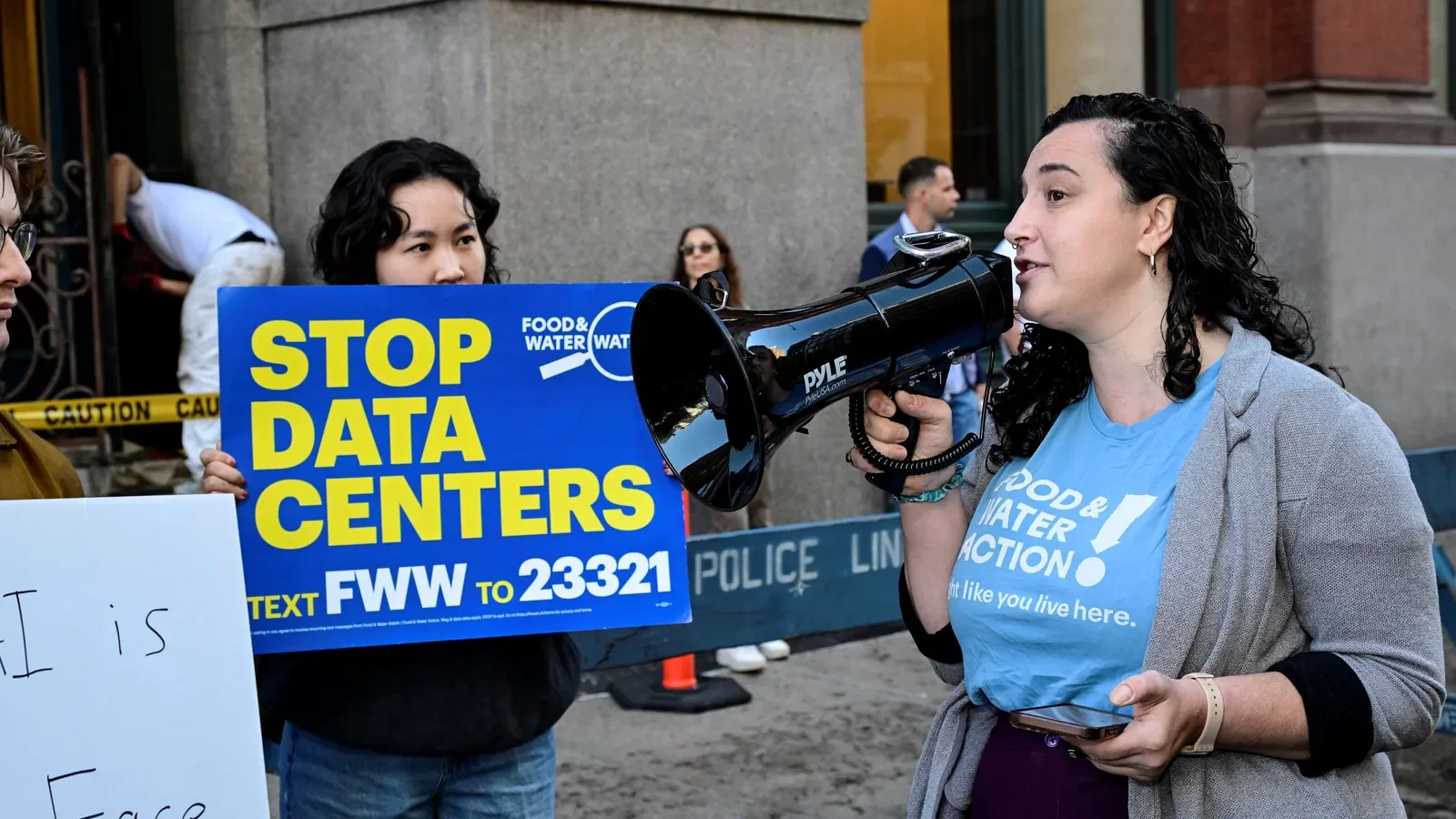
Craig Thompson, the co-founder of Allegiance Search, a Texas-based executive recruitment firm, highlights a significant development challenge for the data center industry. Historically dominated by power supply concerns, the sector now needs to navigate public opinion and community support more than ever. The dynamics of development have shifted dramatically, requiring stakeholders to engage with local sentiments rather than merely focusing on logistical and technical challenges.
In August, Texas Governor Greg Abbott halted approvals for new data center projects linked to substantial electricity demand. This decision came amid worries regarding grid reliability, especially when approximately 90% of the 474 GW of proposed load requests in the state were attributed to data centers. Abbott's intervention serves as a wake-up call to developers—they must now contend with public attitudes alongside traditional logistical hurdles. This isn't just about meeting energy demands; it's about ensuring that the communities hosting these developments feel heard and valued.
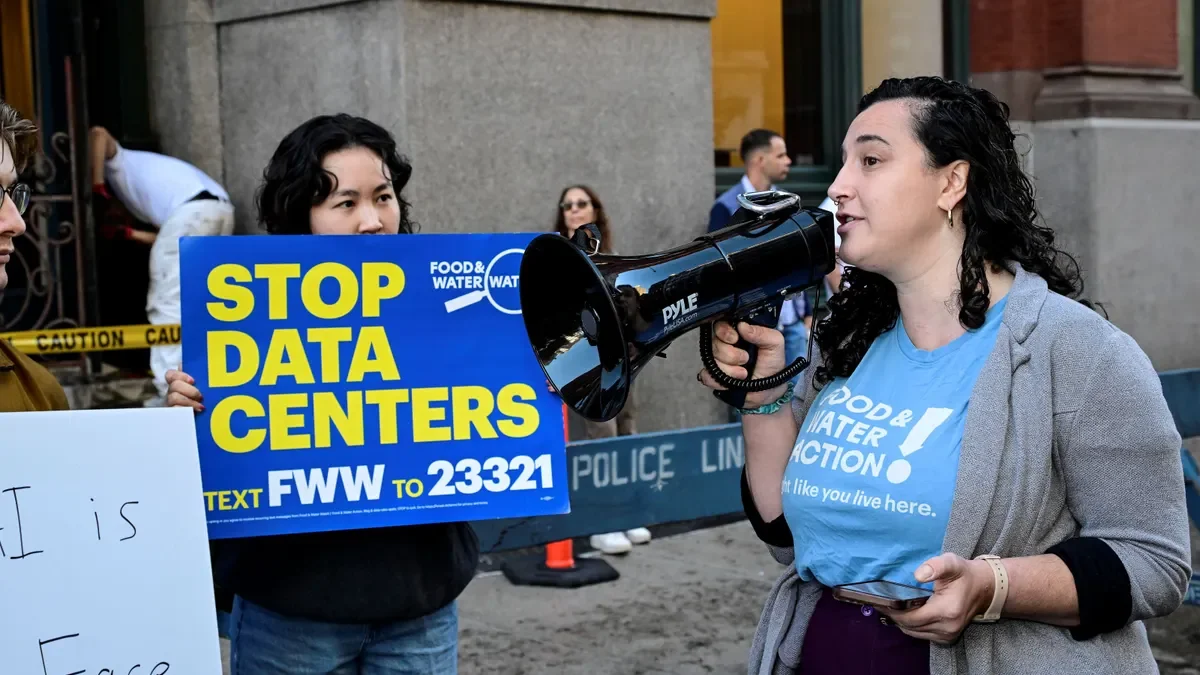
The Emerging Importance of Public Consensus
Texas, renowned for its pro-development stance, is now emphasizing responsible expansion that prioritizes existing community needs and grid stability. Developers must secure public backing, which is emerging as a cornerstone for project viability. This means more than just presenting the economic benefits—it’s about understanding and addressing local concerns head-on. In an era where public perception can influence political decisions, developers must navigate these waters with sensitivity and awareness.
Understanding Community Resistance
It's common to dismiss community opposition as ignorance about economic opportunities, but this overlooks a key factor: those impacted directly often feel their concerns are valid. For residents in small towns, the immediate implications of large-scale data center projects—such as construction disruption and rising energy costs—are more pressing than abstract benefits from increased local tax revenues or future job creation. You have to think about it: when a new data center is proposed, it's not just a line on a budget; it represents tangible changes in their day-to-day lives.
When electricity providers increase usage, locals may see rising costs and a strain on resources without experiencing immediate benefits. Abbott's recent actions underscore this issue, as public unease has prompted scrutiny of whether proposed data center demands align with the grid’s capacity without compromising existing customers. This may lead to further regulatory scrutiny and delays, ultimately impacting timelines for developers who may have already committed resources. The resistance isn't merely reactive; it reflects deeper concerns about sustainability and quality of life.
The Economic Promise vs. Timeliness of Benefits
While data centers can infuse significant economic activity into local communities—creating thousands of jobs during construction and securing ongoing employment—these benefits unfold gradually. Residents see immediate effects from construction, such as noise, altered landscapes, and traffic congestion, while the expected economic perks may take years to materialize. This disparity can lead to a palpable tension between the promise of future prosperity and the present-day inconveniences that accompany construction projects.
As these developments create visible disruption before yielding financial rewards, developers risk alienating the very communities essential for their success. This rift between the disruptive present and the promising future often leads to skepticism among local residents. Once trust is lost, rebuilding those relationships can be a long and arduous process, often requiring time-consuming outreach efforts and significant transparency from developers.
Community Relations as a Strategic Imperative
As public sentiment plays an increasingly critical role, establishing strong community relations has become essential. More developers are forming senior roles dedicated to managing community relationships across their operations. This role often includes informing the community about projects and benefits while also ensuring that local concerns are channeled back to decision-makers effectively. If you're working in this space, you need to decide whether to treat community relations as an afterthought or as a strategic necessity. This isn’t just a PR exercise but rather a fundamental aspect of project management.
This shift moves community relations beyond the traditional public relations approach. Engagement with local leaders and residents will be vital in navigating community opposition and securing smoother project approvals. As projects gain prominence within public discourse, effective communication strategies will be pivotal for developers looking to mitigate dissent. (And this is the part most people overlook.) It’s not just about selling a project; it’s about building a shared vision where local populations feel included and respected in the decision-making processes.
Looking Ahead: The Future of Data Center Expansion
With public engagement becoming paramount, companies that recognize this shift early are likely to navigate upcoming challenges more adeptly. Community relations functions should emerge as a board-level priority, particularly for organizations with extensive plans across diverse markets. As the data center sector progresses, proactive engagement strategies will not only smooth operational pathways but also bolster corporate reputations within communities. You can expect more companies to invest in skilled community engagement teams to foster goodwill and address local concerns before they escalate into opposition. This proactive approach can repurpose potential challenges into opportunities for collaboration and local investment, enhancing the social fabric while driving business objectives.
Discussion
Sign in to join the discussion.