Sundt Construction has commenced a $92 million expansion of the Pecan Creek Water Reclamation Plant in Denton, Texas, to meet increasing demand.
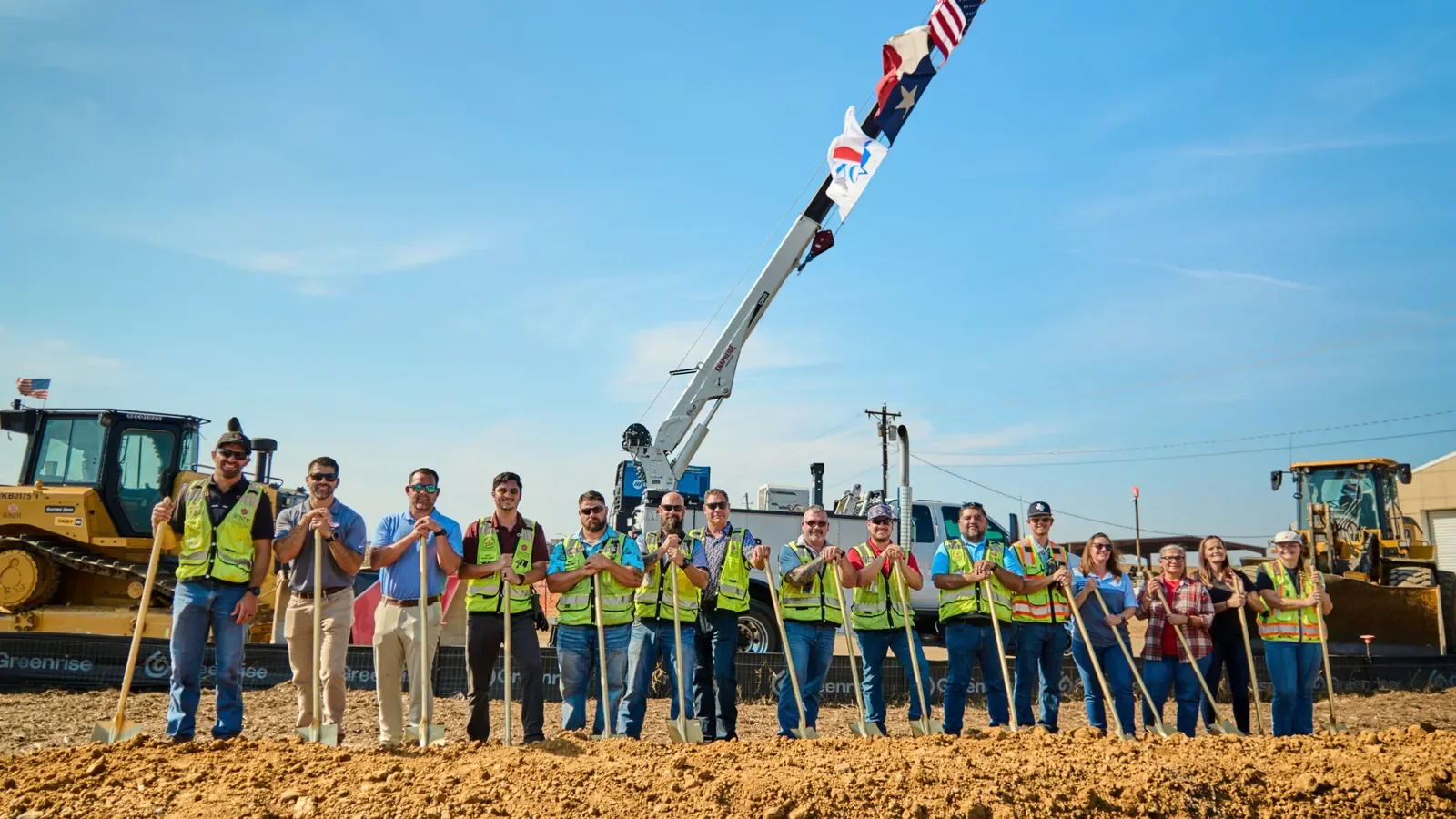
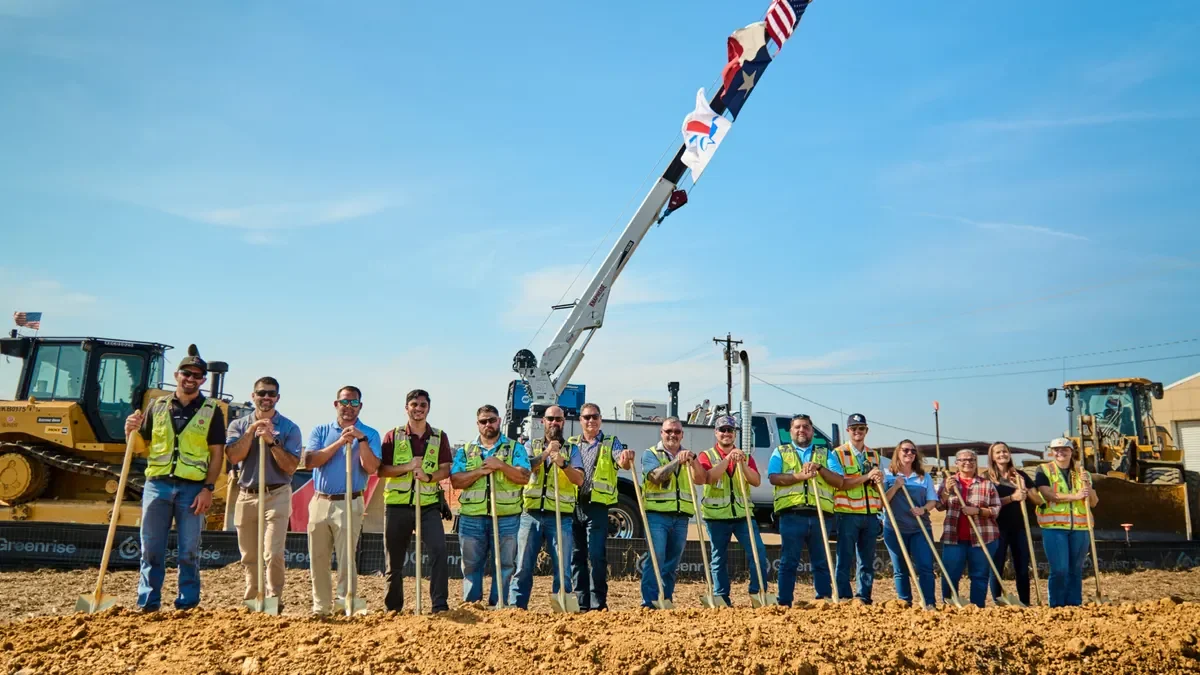
Construction is officially underway for a significant water infrastructure project in Texas. Sundt Construction has begun the expansion of the Pecan Creek Water Reclamation Plant in Denton, following the awarding of a $92 million guaranteed maximum price contract by the city earlier this year.
Overview of the Project
The project entails the construction of a new 75-million-gallon-per-day headworks facility and a further expansion to accommodate 30 million gallons per day, utilizing advanced membrane bioreactor technology. This technology is often viewed as a game-changer in wastewater treatment, allowing for greater efficiency and reduced environmental impact. Upgrades to various underground utilities and enhancements within the original plant footprint are also planned, indicating a holistic approach to improving existing infrastructure while accommodating future growth.
Insights from Local Stakeholders
According to Matt Bothun, Texas regional manager for Sundt’s water and wastewater sector, the expansion strategy aims to enhance treatment solutions while ensuring the current facility remains fully operational during construction. "We're delivering critical improvements while keeping the existing facility intact throughout the project," he stated. This highlights the delicate balance that must be achieved: managing ongoing operations while implementing necessary upgrades. It's a complex task that requires meticulous planning and execution.
Population Growth and Water Demand
This expansion responds to Denton's growing population, projected to exceed 200,000 residents by 2030. That's a substantial increase from the 2020 census count of 150,000. As more residents flock to the area, wastewater infrastructure must evolve to meet increased demands. This scenario isn’t unique to Denton; many cities across Texas are grappling with similar challenges, where rapid population growth outpaces existing utility systems. Failure to upgrade and expand these services can lead to significant public health issues, including water quality concerns.
Trends in Texas Water Infrastructure Projects
Texas is seeing a surge in water infrastructure projects statewide, with firms like Ferrovial undertaking $721 million in projects, including significant works in both Austin and Fort Worth. This trend speaks to the broader regional approach to leveraging state resources for modernizing essential infrastructure. The competition among firms for lucrative contracts can lead to efficiency improvements, but it also raises questions about long-term sustainability and accountability.
Additionally, recent developments include Burns & McDonnell winning an $80 million reclamation project in San Marcos and Crescent Constructors securing an $89 million treatment plant expansion in Lewisville, all indicative of the increasing pace of water-related construction activities in the region. It’s telling that these projects are all geared toward bolstering services for growing urban centers—a clear reflection of demographic trends affecting Texas today.
Potential Implications and Future Outlook
The Pecan Creek expansion isn’t just another project; it's a critical component in Denton's strategy to ensure long-term water sustainability. The city's forward-thinking approach could serve as a model for other municipalities grappling with parallel challenges. If you're working in this space, observing how Denton manages this construction while maintaining operations will provide valuable insights into best practices and potential pitfalls.
And yet, one must consider the environmental implications of such rapid growth. Water treatment facilities, even with advanced technologies, have their limits. The increasing demand for water treatment capacity will require not only smart engineering solutions but also a commitment to conservation and sustainable water practices. How will Denton address the environmental impact as its population grows? What policies will accompany these infrastructure advancements to ensure that water resources are used wisely?
The situation remains dynamic, and the outcome of the project could very well set precedence within Texas and elsewhere. This expansion might be a necessary step, but the eventual challenge lies in managing the balance between growth and sustainability. As more cities embark on similar projects, the examination of Denton’s efforts will be invaluable in shaping future water infrastructure policy and practice.
Discussion
Sign in to join the discussion.