HSBC's decade-long delay in pursuing a Brooklyn foreclosure claim against CitiMortgage leads to a court dismissal, emphasizing strict enforcement of deadlines.
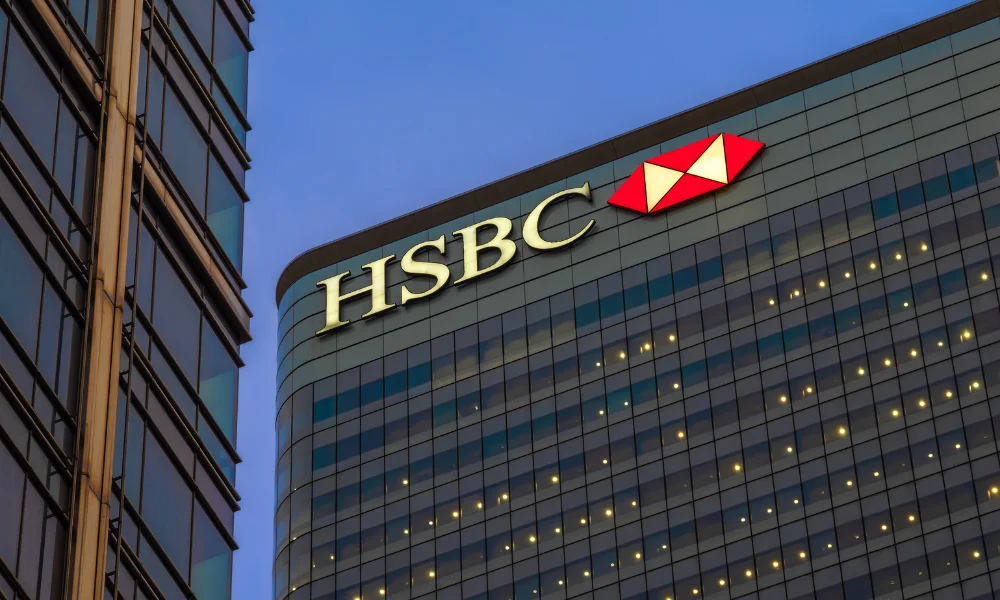
HSBC's Foreclosure Claim Dismissed
HSBC Bank USA faced a significant setback as its foreclosure claim against CitiMortgage was dismissed due to an astonishing 11 years of inaction. This situation illuminates a critical aspect of foreclosure proceedings: the absolute necessity of adhering to strict legal timelines. Foreclosure is already a complicated process, mired in emotional and financial stakes for homeowners and lenders alike. The dismissal effectively highlights a potentially damaging consequence of failing to act within the confines of the law, shaking the foundations of HSBC's claims.
Legal Context Surrounding the Dismissal
On September 16, 2026, New York's Appellate Division, Second Department, upheld the lower court's decision to dismiss the case originating in October 2012. The irony here is palpable; despite CitiMortgage being served with the complaint, it did not respond, which might have seemed to put HSBC in a favorable position initially. However, the complexities of legal timelines quickly unraveled this perception. The fundamental problem was that law isn’t contingent on favorable circumstances or assumptions.
Under New York's CPLR 3215(c), a plaintiff must seek a default judgment within one year of a defendant’s failure to respond. The statute employs precise language: the term "shall" denotes a mandatory requirement. HSBC's failure to act for roughly 11 years cast a long shadow over its case. Not only does this reflect poor internal management or legal strategy, but it also raises concerns about how large financial institutions prioritize and handle foreclosure actions.
The Motion to Dismiss
In July 2024, CitiMortgage moved to have the complaint dismissed as abandoned—a move that the Supreme Court of Kings County granted in November 2024. HSBC then appealed this decision, justifying its extensive delay by citing two main reasons: ongoing stays in the foreclosure action and a separate quiet title lawsuit that CitiMortgage filed concerning the same property. However, the appellate panel refuted these claims, emphasizing that HSBC failed to account for the significant periods during which no action was taken.
Legal action surrounding foreclosures can often be dense and filled with complications. However, when courts overwhelmingly favor adhering to procedural norms, it places a hefty burden on lenders. The question becomes: how could HSBC miscalculate its legal strategy so thoroughly? This lack of oversight doesn't just affect HSBC; it also sets a signal to other financial institutions about the importance of remaining proactive in legal proceedings.
What’s particularly striking is the appellate court's dismissal of HSBC's claims of being hindered by other ongoing legal matters. If you're working in this space, you can't overlook the take-home message: courts will not tolerate inaction. This dismissal doesn't exist in a vacuum; it could lead to stricter scrutiny of similar cases going forward.
Precedents Set by Previous Cases
This ruling underscores an important precedent: New York courts typically enforce the abandonment rule stringently against large lenders like HSBC. The justices pointed to a history of similar cases—specifically HSBC Bank USA, N.A. v. Whaley, Grella, and Cross—where courts have maintained this rigorous standard. The message is clear: merely referencing other ongoing litigation will not suffice as a valid excuse for inaction in foreclosure matters. Once again, the court's insistence on adherence to statutory timelines reinforces that the legal system values prompt action over passive waiting.
This is more significant than it looks. The potential implications for similar lenders can be far-reaching, creating a ripple effect that might make them reassess their own procedures related to pending foreclosures. It begs the question of whether the current legal frameworks we have in place are adequate for the realities of today's housing and lending markets.
Implications for Lenders and Servicers
For servicers wrestling with lengthy foreclosure portfolios, this ruling sends a stark message about the legal environment: it’s unyielding. Years of inactivity cannot be masked by simply pointing to other legal proceedings. Adherence to statutory timelines is not just important—it's paramount. In an industry where margins can be razor-thin, particularly in foreclosure management, this ruling lays bare the need for rigorous internal controls and timelines for action.
This case might serve as a wake-up call for financial institutions managing questionable loans. Falling behind on timelines could result in severe financial repercussions and tarnish reputations. It's not just about recovering funds; it's about respecting the judicial process.
And yet, the real-world consequences of this ruling extend beyond just HSBC and CitiMortgage. They raise questions about how the industry as a whole monitors its legal proceedings. Can larger lenders afford to sit on their demands without facing harsh penalties? You bet the answer is "no".
What does this ultimately mean for consumers and the broader market? Inefficient legal strategies could create bottlenecks, stalling legitimate claims by homeowners trapped in foreclosure. This can lead to greater instability in the market. As the dust settles from this case, both financial institutions and homeowners will await the ripple effects through New York's foreclosure claims as they wrestle with ongoing issues.
Discussion
Sign in to join the discussion.