The MTA advances with the Second Avenue Subway extension, issuing an RFQ for its largest contract, set to enhance East Harlem's transit access by 2032.
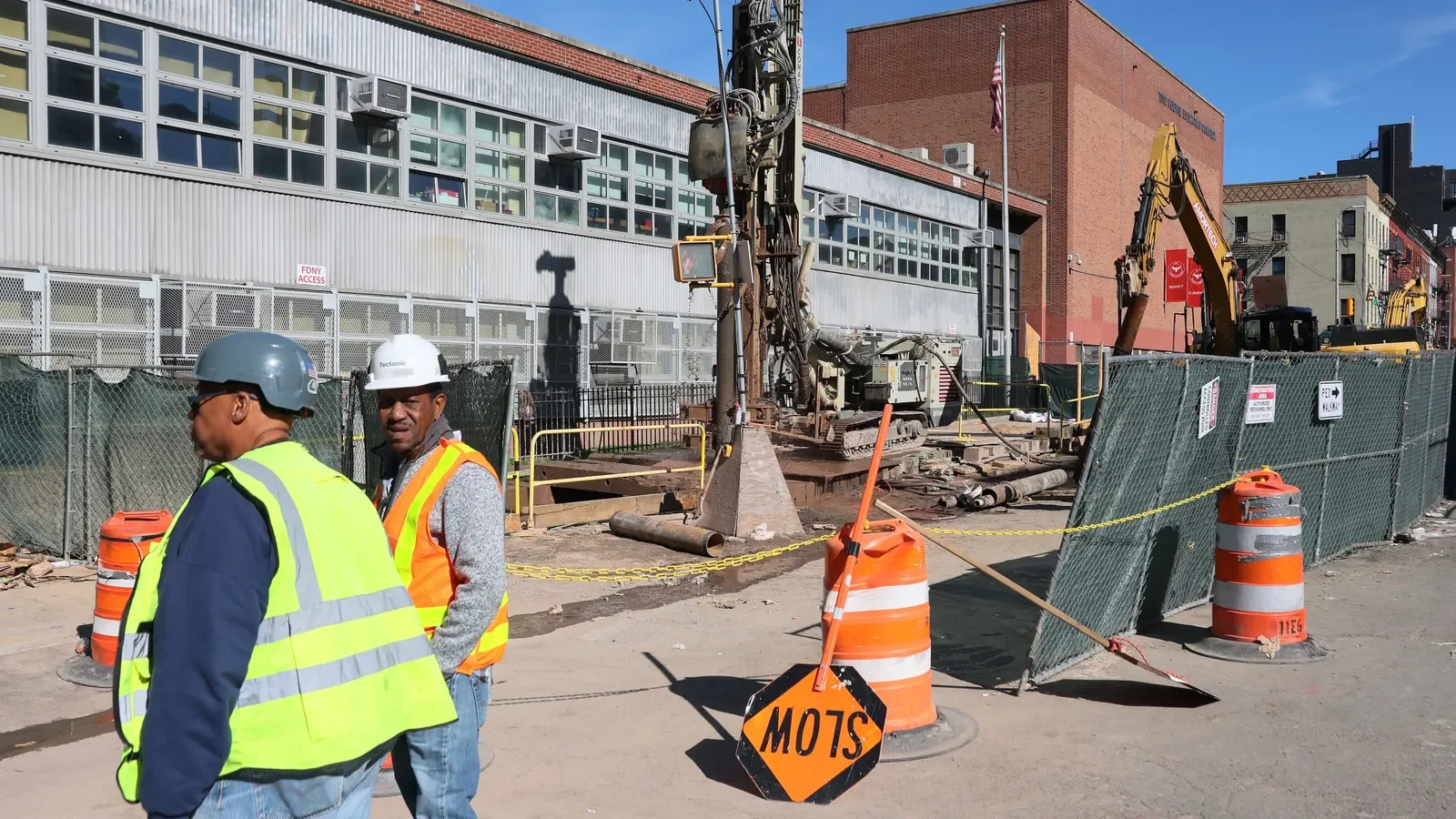
The Metropolitan Transportation Authority (MTA) has moved forward with plans for the Second Avenue Subway extension in New York City, issuing a request for qualifications (RFQ) for the project's final construction contract worth $6.97 billion. This initiative, part of the larger Phase 2 expansion, aims to introduce three new Q line stations in East Harlem by the fall of 2032.
Key Developments in the Project
Per the MTA's recent announcement, qualified contractors will be invited to submit proposals by the end of 2026, with a contractor selection expected by mid-2027. The initiation of work on this final segment of the subway extension is well anticipated, with construction set to kick off in 2027. This timeline reflects not just logistical planning but also a tactical effort to boost the region's transportation infrastructure. Enhancing public transportation in this manner often leads to other economic benefits, including increased property values and reduced commuting times. For the East Harlem community, this means access to more efficient transit options that are critical for daily life.
Impact on East Harlem
With this development, East Harlem residents will see their transit options significantly enhanced. The final contract represents the largest of four major segments involved in this ambitious subway project, which will ultimately see new Q line stations at 106th, 116th, and 125th streets. Each of these stations is not just a stop; they symbolize improved mobility for a historically underserved community. Enhanced transit infrastructure usually translates into better access not just for commuting but also for education and employment opportunities.
The construction scope includes the establishment of entrance canopies, station platforms, and six ancillary buildings. These facilities may offer ground floor retail and community spaces. This is where the project could truly benefit the community beyond mere transportation; by integrating commercial spaces into the station design, local businesses could flourish, fostering economic growth in the area. Additionally, crews will work on vital infrastructure such as track installation, traction power systems, and crucial communication and train control systems throughout the subway extension. These elements are not just technical necessities; they are the backbone that will ensure the system operates smoothly and safely for years to come.
Progress on Previous Contracts
Currently, construction on the initial three contracts is well underway. The first contract, which addresses utility relocations for the future 106th Street Station, is approximately 60% complete and is expected to conclude by summer 2027. This contract has been awarded to C.A.C. Industries, a firm based in New York City. Anyone familiar with large urban projects knows that utility work can often be a bottleneck; yet, the progress here is promising. It suggests that planners are mindful of the elapsed time and the dislocation of services typically caused by such operations.
The second contract, focused on two tunneling projects and awarded to Connect Plus Partners, is more than halfway through its design phase. This effort involves the construction of various tunnels and structural updates, with substantial completion projected for September 2029. Tunnel construction in urban settings is notoriously complex, often encountering unexpected challenges such as geological formations or existing underground infrastructure. Knowing Connect Plus Partners' reputation, there's cautious optimism about their management of these challenges.
The third contract, involving excavation and structural work at the 106th Street Station, is being executed by a joint venture that includes Skanska, Traylor Bros, and Walsh Construction. This segment is set to reach significant completion by the third quarter of 2030, which means several more years of disruption for local residents and businesses. Yet, this phase is critical, and the joint venture's experience may alleviate some concerns about delays or cost overruns.
Looking Ahead
MTA Chair and CEO Janno Lieber emphasized the significance of this stage in the project, stating, “Three contracts down, one to go in our quest to bring long-awaited transit justice to East Harlem.” This sentiment reflects a broader narrative about infrastructural equity in urban areas, where underserved neighborhoods often lag behind in public investment. He highlighted how this final RFQ encompasses key aspects of the stations that riders will directly interact with, underscoring the anticipation for work to commence soon. If you're working in this space, you’ll recognize that public transport improvements can fundamentally reshape communities.
The completion of the Second Avenue subway expansion marks a pivotal development in New York City's transportation network, promising enhanced access and greater functionality for the vibrant East Harlem community. However, the journey won't end with the completion of these stations; maintaining momentum in public engagement and local economic revitalization will be essential for translating construction efforts into lasting community impact.
Future Outlook
The extensive planning and execution phases surrounding the Second Avenue Subway extension provide a glimpse into a more interconnected New York City. But here's the thing: the success of these new stations will ultimately depend on effective integration with existing transit options and the responsiveness to the needs of East Harlem residents. Ongoing engagement with the community will be critical—not just during the construction phases, but long after the last rail is laid. The excitement around enhanced transit options must align with local demands for safety, reliability, and affordability.
As the MTA continues to push forward, the implications are wide-ranging. Improvements to public transit can catalyze systemic change in urban mobility, affecting everything from housing prices to local business viability. In an increasingly congested city, these developments are more significant than they look at first glance. They represent hope, perhaps, for residents who have long waited for equitable transportation solutions. The task now is to ensure that the vision for a revitalized East Harlem materializes into a reality that benefits all residents deeply.
Discussion
Sign in to join the discussion.