While stabilization in construction costs offers some hope, the multifamily sector faces persistent challenges in profitability and project delivery.
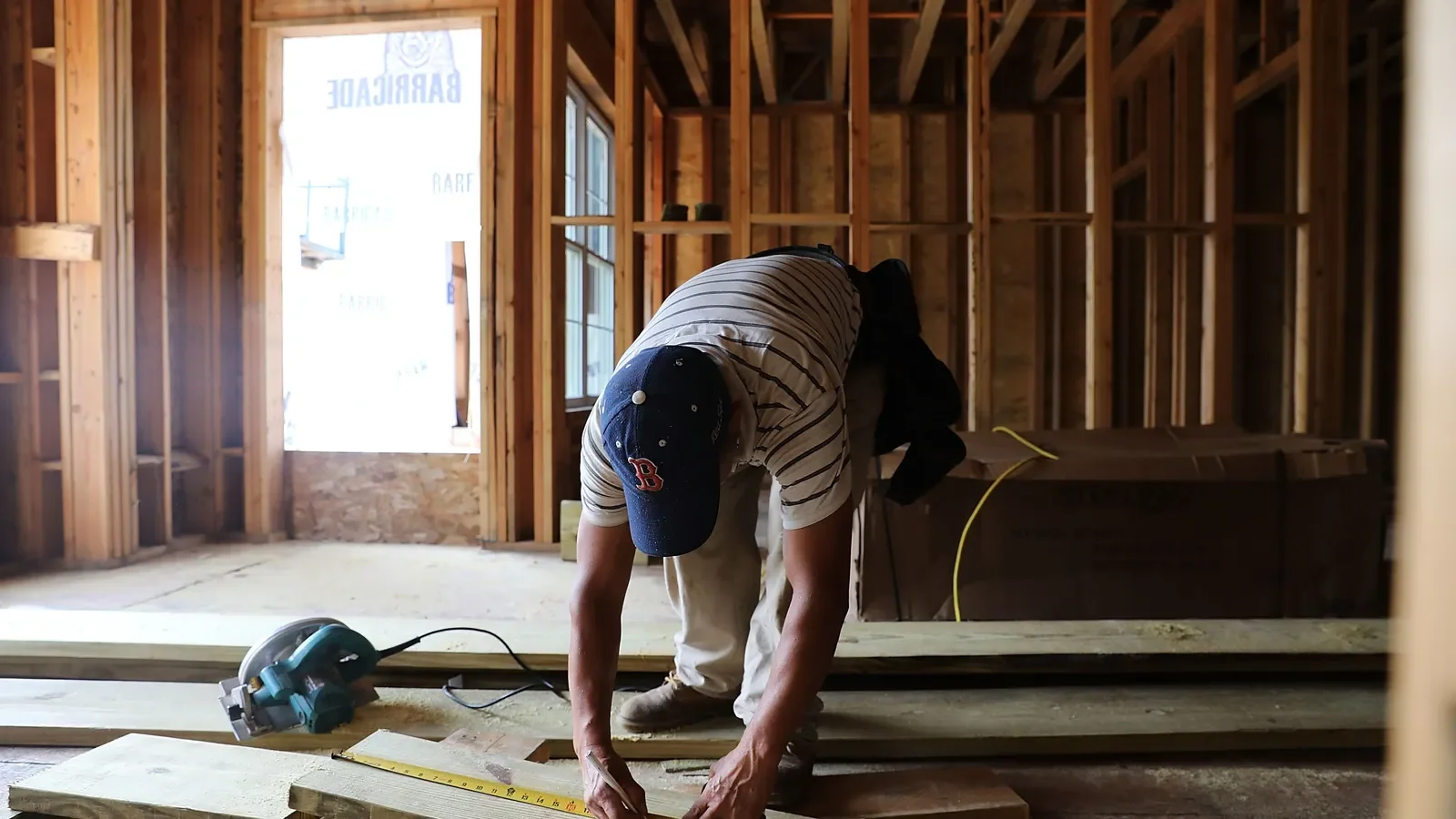
Recent trends in the construction sector indicate a mix of cautious optimism and ongoing challenges for multifamily apartment developers. A more competitive environment among contractors and steadier materials prices may suggest openings in specific markets, yet the overall development landscape remains fraught with difficulties.
Southern Land Co., based in Nashville, is one firm actively moving forward despite the headwinds. They’ve initiated projects in well-trodden markets, including Las Vegas and White Plains, New York, as noted by Matt Ritsko, the company's president of construction. However, the clarity desired by developers has been elusive, as fluctuating labor demands and pricing for essential materials like rebar and drywall contribute to uncertainty.
Ritsko characterizes the current construction environment as “ever-changing,” emphasizing that contractors are increasingly hesitant to embrace risk when establishing labor rates. Instead of innovating efficiencies or reducing profit margins, they tend to incorporate greater contingencies into pricing strategies. This cautious approach is indicative of a more reserved industry, even as multifamily construction remains in the early stages of recovery following a significant slowdown that began nearly five years ago.
Economic Conditions Affecting Multifamily Development
The multifamily and single-family housing sectors have experienced a downturn since 2022, largely triggered by rising interest rates that inflated capital costs and diminished investor appetite. Jay Hiemenz, chairman and CEO of Alliance Residential Co., observes that while contractor competition is on the rise, it hasn’t translated into sufficiently lower construction costs, limiting new project feasibility.
Patrick Kassin, senior vice president and regional development partner at Woodfield Development, concurs, stating that labor cost reductions have yet to make numerous metropolitan markets viable for development. He mentions, “We haven’t seen costs come down enough to suddenly make a lot of markets work that didn’t work six or 12 months ago.”
Tommy Gallagher, head of construction at Middleburg Communities, reports that while construction costs have been relatively stable this year, competition has heightened due to increased bid participation. However, rising material and commodity costs offset any potential benefits derived from this newfound competitive landscape. Kassin points out that although material pricing has stabilized compared to past fluctuations, costs remain at elevated levels following the increase observed in early 2020.
Operational Challenges Beyond Costs
Aforementioned pricing challenges are not the sole hurdles facing developers. Gallagher notes that permitting timelines and utility coordination issues delay project schedules and profitability in certain jurisdictions. He stresses that irrespective of the operational challenges posed by labor and material costs, fundamental factors dictate project viability: interest rates, capital market conditions, land costs, and the achievable rents remain paramount to determining the feasibility of new apartment developments.
Forecasting the Development Pipeline
In light of the volatile backdrop, experienced developers continue to position themselves strategically, viewing the current market dynamics as a chance to secure first-mover advantages. Gallagher projects that the construction market conditions will enable Middleburg Communities to commence more projects than it did in the previous year. He states, “Development cycles are long, and waiting for every variable to align can mean missing the window when construction pricing is most favorable.”
Hiemenz anticipates that Alliance will finish the year having initiated a comparable number of multifamily projects as in 2025, buoyed by a combination of declining costs in select regions and favorable market demand. Meanwhile, Kassin indicates that Woodfield is prepared to pursue several potential starts this year, albeit selectively, driven by encouraging trends in construction pricing and wider capital market improvements.
“We’re not going to start a project just to maintain a certain level of volume,” he concluded, suggesting that aligned conditions could prompt more projects to move forward as the industry navigates these complex challenges.
Discussion
Sign in to join the discussion.