Bechtel's recent completion of the Corpus Christi LNG project in Texas enhances Cheniere Energy's production capacity amidst global energy challenges.
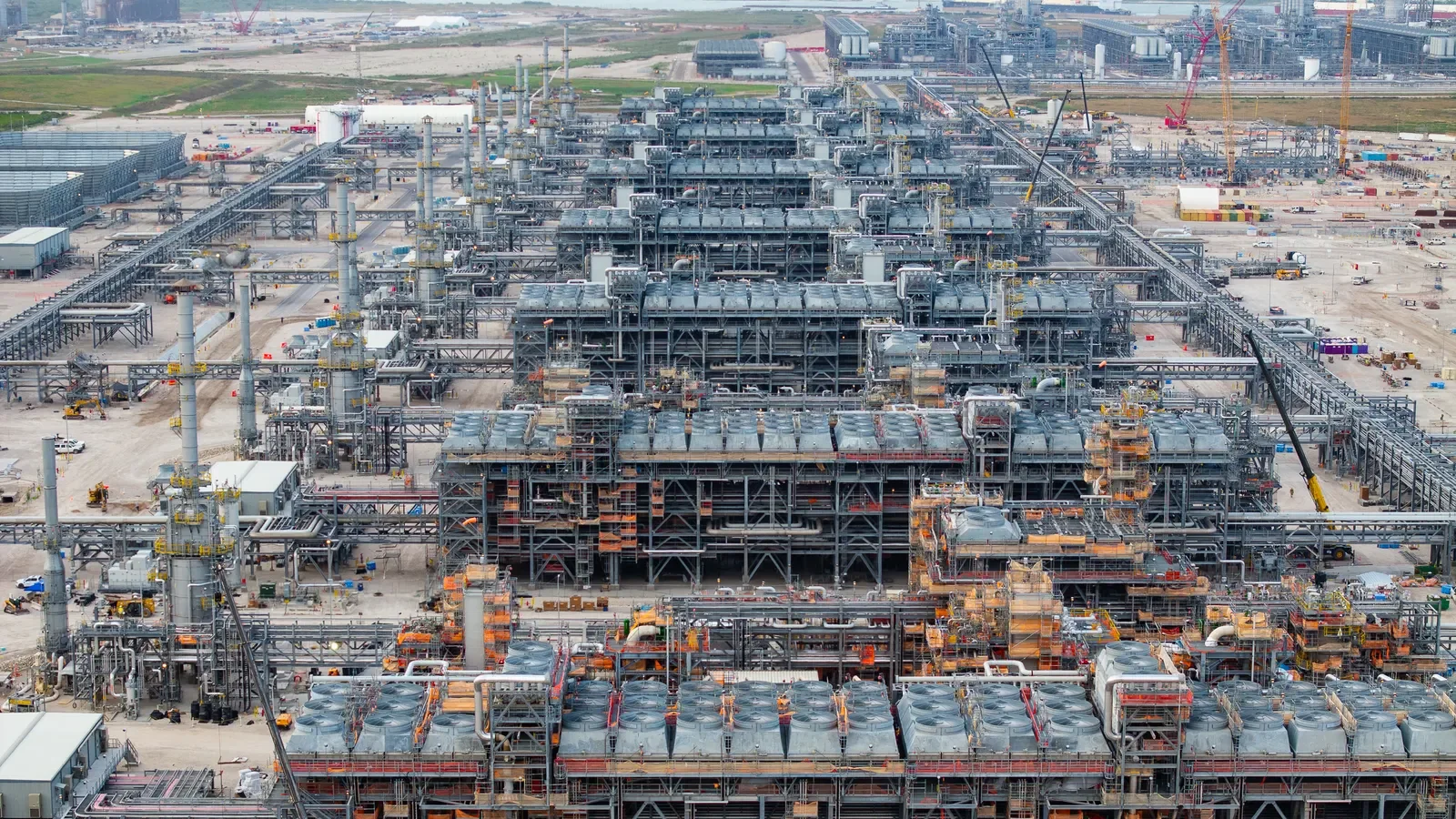
Bechtel has marked a notable achievement in the Texas liquefied natural gas (LNG) sector by reaching substantial completion of the Corpus Christi Liquefaction Stage 3 Project. This milestone, reported by Cheniere Energy—the project’s owner—significantly increases the plant’s LNG production capacity by over 20%, totaling around 56 million tonnes per annum.
Background on the Corpus Christi Project
The Corpus Christi Liquefaction Stage 3 Project has been several years in the making, reflecting the broader trends in the global energy market. The facility, initially commissioned in 2019, has grown to play a crucial role in the U.S. LNG export capability, particularly as demand for cleaner energy sources escalates. Natural gas has gained increasing recognition as a transitional fuel, bridging energy needs while renewable technologies scale up. Given this shift, it's no surprise that the project has seen substantial investment and interest.
Completion and Operational Impact
On August 28, Bechtel officially handed over the last, seventh liquefaction train to Cheniere, culminating an effort that began in 2022. This recent completion not only expands production capacity but does so at a time when energy security is under pressure. With global energy prices fluctuating and concerns over supply chain stability arising from geopolitical issues, the timing of this expansion is particularly relevant. The expanded capacity will enable more volume to be shipped abroad, improving U.S. leverage in the energy market.
That said, while an increase of over 20% in production capacity sounds impressive, the real impact will hinge on demand and pricing dynamics in international markets. If global markets stabilize following recent tumult, this expansion could play a vital role in placing the U.S. front and center as a key LNG provider.
Broader Contracts and Expanding Influence
This recent achievement adds to Bechtel’s extensive portfolio within the LNG arena; only a few months ago, the contractor secured a $4.69 billion contract to enhance Cheniere's Sabine Pass facility in Louisiana. Such contracts indicate not only financial support but also confidence in Bechtel’s capabilities in the LNG sector. As geopolitical dynamics shape energy supplies—think of contexts like Russia's invasion of Ukraine and tensions in the Middle East—expanding project scope underscores the significant alignment between LNG capabilities and fulfilling global supply needs.
Interestingly, as the climate crisis intensifies calls for a shift to renewables, natural gas is often caught in the crosshairs of energy debates. It’s presented as a cleaner alternative, yet critics argue that it still contributes to greenhouse gas emissions. This debate adds layers to Bechtel’s ongoing work, as they find themselves navigating both the demand for fossil fuel and the growing call for sustainable energy solutions.
The Strategic Role of Bechtel in Texas LNG
Bechtel’s involvement in Texas LNG projects has intensified, underscoring the state's importance in the company’s operations. This isn't solely about construction or engineering; it's about positioning Bechtel as a central player in a market that's exceptionally competitive and politically charged. In June 2025, Bechtel was awarded $9 billion in additional contracts related to the Rio Grande LNG project, following an earlier $12 billion commitment for its first phase. Such significant commitments speak volumes about Texas's role in the national energy strategy, particularly for LNG exports.
Moreover, the financial close on Train 4 of the same project, valued at $4.77 billion, further cements Bechtel's role in shaping the future of U.S. LNG supply. Bechtel isn’t just building infrastructure; it’s also helping define U.S. energy policy through the lens of operational capabilities and commitments to international markets. (and this is the part most people overlook)
Implications and Future Outlook
Bechtel's recent achievements signify more than just successful projects; they speak to the increasing complexity of energy geopolitics. The completion of the Corpus Christi project, paired with other substantial contracts, positions the U.S. as a resilient supplier amidst global uncertainties. Energy consumers worldwide are likely to look towards U.S. LNG to stabilize their own supply chains. The future may hinge not only on production but also on maintaining robust import-export relationships, particularly with countries grappling with energy shortages or looking to pivot from stronger reliance on oil.
The global market's response to this expanded capacity remains to be seen. If you're working in this space, you'll want to keep an eye on both pricing models and demand shifts. The interplay of political factors, particularly those affecting key supply routes—like ongoing conflicts in the Middle East or rising tensions in Eastern Europe—will undoubtedly influence how U.S. LNG is perceived and utilized on the global stage.
In wrapping all this up, one thing becomes clear: the expansion at Corpus Christi isn't merely a milestone for Bechtel or Cheniere, but a noteworthy pivot point for the broader LNG market. As the dialogue around energy transitions and sustainability develops, it will be interesting to see how players like Bechtel navigate changing tides while staying relevant in a world increasingly focused on reducing carbon footprints.
Discussion
Sign in to join the discussion.