Multiskilling enhances worker capabilities and speeds up project completion, benefiting construction firms and taxpayers alike in a challenging market.
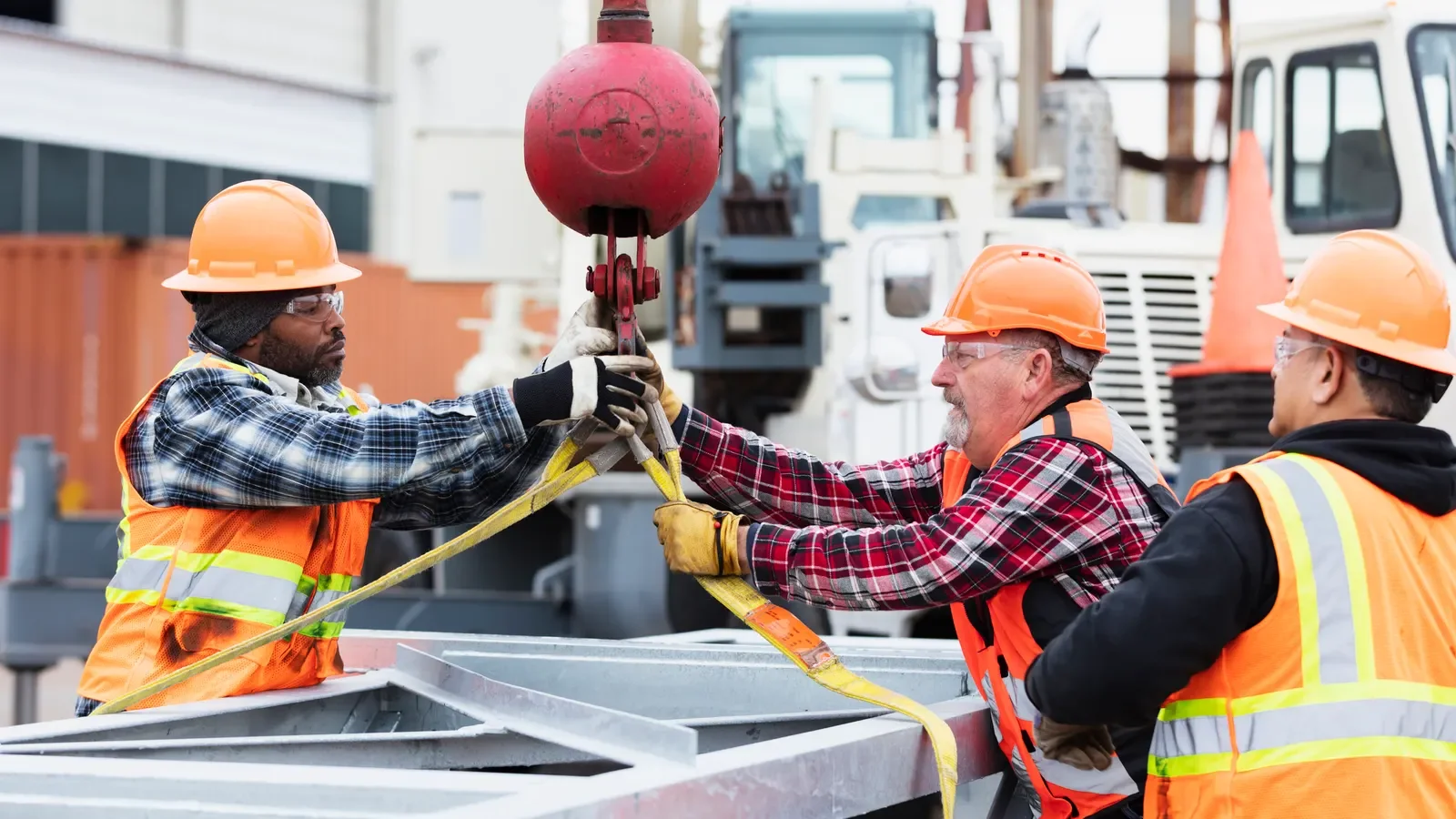
In today’s construction context, the shift towards multiskilling is more than just a trend; it's a pivotal strategy for tackling persistent workforce challenges. With growing demands and a dwindling labor pool, the construction industry finds itself at a crossroads. As Mike Bellaman of the Associated Builders and Contractors highlights, equipping workers with a diverse skill set can significantly optimize project delivery timelines and enhance safety standards.
Against a backdrop of a massive labor shortage, rising material costs, and economic uncertainties, evolution within the industry is imperative. The call for modernization isn't merely a preference but a necessity, particularly as smooth project execution becomes vital in meeting America’s extensive infrastructure demands. The stakes are high; the operational efficiency of construction will play a pivotal role in shaping how the nation meets its growth goals.
Understanding Multiskilling
So, what does multiskilling actually involve? At its core, it means training workers to perform various tasks across related disciplines on the job site. This approach is not merely about versatility; it’s about adaptability in a sector that often hinges on specialized roles. Recent studies illustrate that a typical multiskilled worker can use an average of three skills in their daily work, with some even tackling up to six distinct duties.
This method doesn’t mean that specialization is going away, nor does it compromise safety or quality standards. Instead, it empowers skilled workers to take on complementary tasks as dictated by the diverse demands of the project. In an industry that’s traditionally segmented into specialized roles, this shift could be transformative — workers become more valuable to their teams and to employers. If you're working in this space, understanding the mechanics of multiskilling can give you a distinct advantage.

Real-world examples from recent studies highlight the power of multiskilling in practice:
- A team of concrete finishers managing formwork, rebar tying, welding anchor bolts, and operating heavy machinery.
- Insulators who transitioned from applying paint coatings to mixing and installing epoxy flooring.
- Sheet metal workers also taking on scaffold erection and pipe insulation tasks.
- A civil crew interchanging among rigging, crane operation, welding, and pile driving duties.
Advantages of Multiskilling
The findings from a national study on multiskilling reveal considerable benefits for the workforce. For workers, gaining a broader skill set correlates with increased job satisfaction, higher earning potential, and enhanced career advancement opportunities. Such versatility allows employees to engage in various projects, promoting longer employment stints and greater exposure to different aspects of the construction process — creating a more enriched work experience.
The implications for construction sites are noteworthy. Research indicates that multiskilling has enhanced crew productivity, with findings suggesting a striking increase in time dedicated to active construction work. Decreased idle time leads to faster project completions, directly impacting profitability and client satisfaction.
Contractors and project owners can adopt a multiskilling framework when planning job scopes, smoothing transitions between tasks while minimizing the downtime associated with waiting for specialized workers. This proactive mindset not only facilitates seamless workflows but can significantly enhance overall project timelines. And yet, the true magic of multiskilling lies in its potential to reconfigure how teams operate on-site.
Perhaps the most compelling aspect of multiskilling is its correlation to safety. An analysis encompassing over 33 million work hours indicated that firms embracing this model experienced safety performance surpassing industry norms. This included reduced incident rates and, notably, no fatalities reported. By fostering a more flexible workforce, you’ll see a reduction in congestion on job sites, a boost in coordination, and ultimately, a safer work environment.
This research points towards the fact that multiskilling not only enhances individual worker capabilities but also amplifies the collective efficiency of the construction sector. As the industry grapples with modern demands, it’s clear that embracing multiskilling could become a cornerstone for effectively building the infrastructure that America requires now and in the future.
Future Implications and Outlook
Looking ahead, the multiskilling trend could have profound implications for how the construction sector operates. The construction environment is set to become increasingly dependent on a versatile workforce capable of swiftly adapting to changing project requirements and technological advancements. If the industry fails to invest in multiskilling, it risks falling behind not only in efficiency but also in safety and employee morale.
As this approach gains traction, its significance will likely grow in relation to educational systems, training programs, and even apprenticeships. A workforce that is adaptable and skilled in various tasks will be much better positioned to meet the rising tide of infrastructure development challenges. The evolution might also shift how companies approach hiring, focusing more on a candidate's breadth of skills rather than merely their specialized training, which could reshape industry standards.
We're on the brink of a shift where embracing a culture of continuous learning and skill diversification becomes fundamental. That’s the reality facing the construction sector as it tries to rebalance itself against ongoing challenges. The stakes are high, and this multiskilling approach may be less optional and more necessary as time progresses.
Discussion
Sign in to join the discussion.