Texas is set to invest $138 billion over ten years in transportation infrastructure, targeting the state's most congested roadways to enhance safety and mobility.
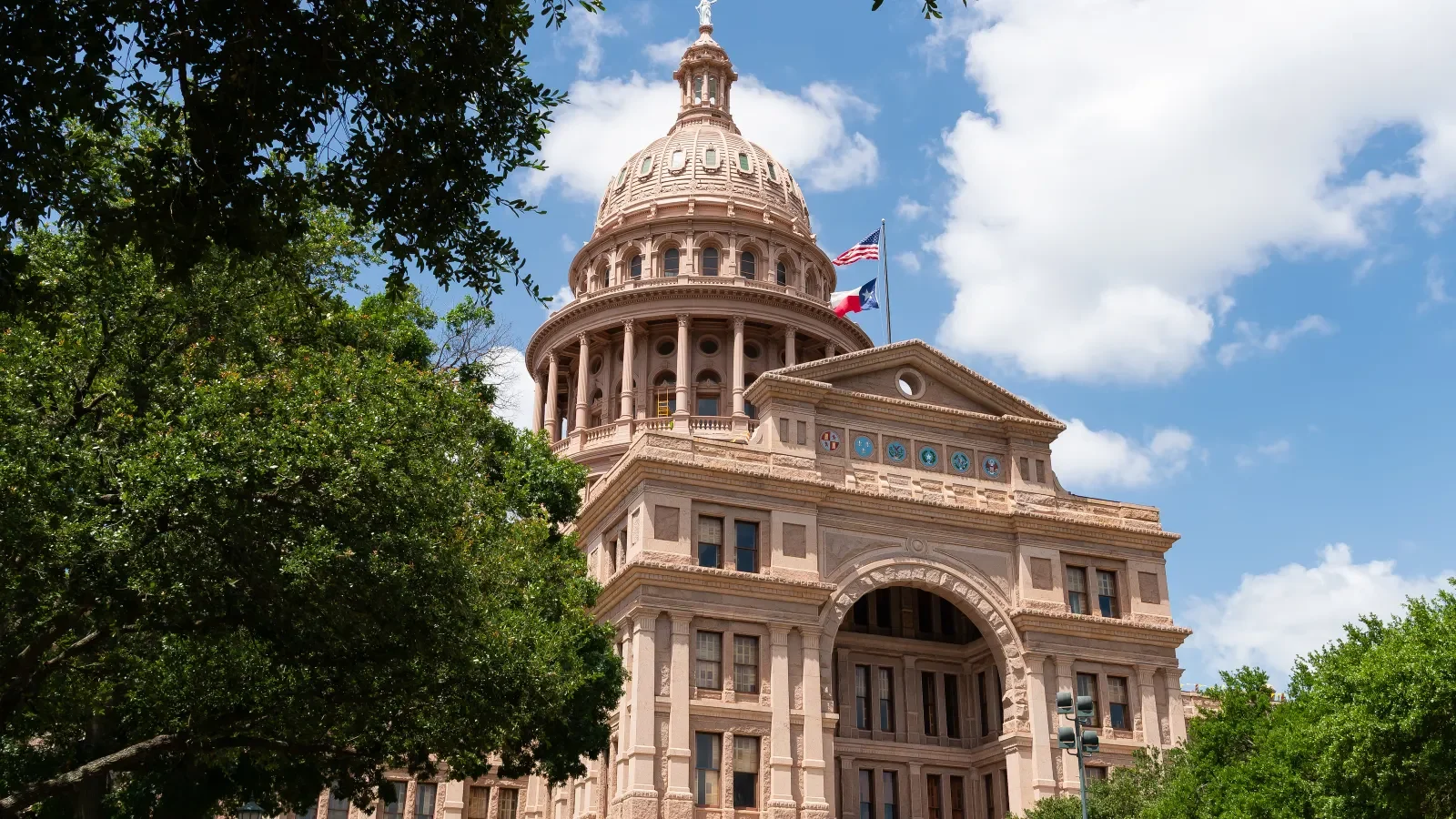
The Texas Transportation Commission has rolled out a significant $138 billion investment plan as part of the 2027 Unified Transportation Program (UTP). This initiative, announced by Governor Greg Abbott, aims to alleviate congestion and bolster the state's infrastructure over the next decade.
Funding Breakdown and Economic Context
The funding strategy includes $95 billion sourced from current state and federal revenues, complemented by an additional $43 billion earmarked for ongoing development and maintenance. Abbott emphasized that this plan reflects Texas’ dynamic economic growth, which witnessed a substantial GDP rise of 4.8% in 2024, surpassing the national average. "This investment enhances our roadways, mitigates congestion, improves safety, and supports our rapidly expanding communities," Abbott stated.
Here’s the thing: for Texas, the stakes are incredibly high. This funding isn't just a number on a budget—it's a lifeline for a state grappling with explosive growth. The state has seen its population surge, bringing with it a significant uptick in transportation needs. With burgeoning cities like Austin, Dallas, and Houston leading the charge in both population increases and economic output, the demand on existing infrastructure can hardly keep pace. Reliance on state and federal revenues shows a clear commitment but also sets the stage for challenges. If the projected growth doesn’t materialize, or if funding channels waver, the ambitious plans could face a serious uphill battle.
Targeting Congestion Hotspots
A significant focus of the UTP will be on the state’s 100 Most Congested Roadways, which cost drivers nearly $15 billion in 2024 due to traffic delays, wasting over 523 million hours combined. The need for this expansion is clear, with TxDOT executive director Marc Williams noting, "This ten-year initiative captures the scale of Texas’ transportation requirements as one of the nation's fastest-growing states." The targeted projects under this plan are expected to deliver practical outcomes aimed at enhancing safety and ensuring the reliable movement of people and goods.
But here’s where it gets interesting: traffic congestion isn't just an annoyance; it's a drain on the economy. Those costs are not just about wasted time; they echo throughout the state’s economic fabric. For small businesses, time lost in traffic translates to lost revenue and reduced productivity. Every hour stuck in traffic can cost companies significant amounts in terms of logistics and operational efficiency—something that can impede the vibrancy of commerce in the state. Targeting these congestion hotspots is thus a multi-faceted approach, addressing immediate needs while laying the groundwork for sustainable growth.
Project Categories and Future Plans
The UTP encompasses a diverse range of funding categories, including public transportation, aviation, maritime, rail, and bicycle/pedestrian connections. Earlier this year, TxDOT indicated its commitment to major infrastructure projects, including key components of the $4.5 billion I-35 Capital Express Central project, further demonstrating Texas' proactive approach to enhancing its transportation framework.
It's refreshing to see a broad spectrum of project categories included. This isn’t just about highways and roads; public transportation systems and alternative transit options are critical as Texas develops. As the state grows, its transportation networks must evolve to meet the needs of a more diverse population. Roads alone won’t cut it anymore. We need to consider multi-modal transport solutions that facilitate both individual and commercial mobility. (And this is the part most people overlook.) By giving equal weight to public and alternative transport, Texas is embracing the complexities of modern urban transit—something other states would do well to emulate.
As the state gears up for this significant investment, it remains poised to harness additional funding opportunities as Congress considers a new surface transportation reauthorization, potentially filling the financial void left by the expiration of the $1.2 trillion Infrastructure Investment and Jobs Act. Observers are rightfully cautious; the fate of future funding hinges on broader national policy decisions that can often feel remote from the local reality. Yet, there's an undeniable urgency—Texas's population isn't going to stop expanding. The need for sustained investment becomes even more pressing as infrastructure increasingly feels the strain.
Implications and Future Outlook
Investing $138 billion in Texas's transportation infrastructure represents an ambitious answer to the state's immediate challenges but also begs the question: what happens next? The success of this program will hinge not solely on its funding but also on its execution. Will the projects be completed on time and within budget? Will Texas be able to adjust to unforeseen challenges, such as rising material costs or shifting economic conditions?
As city and state residents watch the rollout of this plan, they should remain engaged. Active public involvement can lead to increased accountability. If you're working in this space, understanding how local communities can influence project implementation could be pivotal. The consequences of successful infrastructure development—or the lack thereof—will reverberate for generations in Texas. As the plan unfolds, all eyes will be on how effectively Texas can integrate these ambitious goals with the day-to-day realities of urban life.
Discussion
Sign in to join the discussion.