The Maryland Transportation Authority is opening bids for the Key Bridge demolition, with a project cost estimated between $50 million and $100 million.
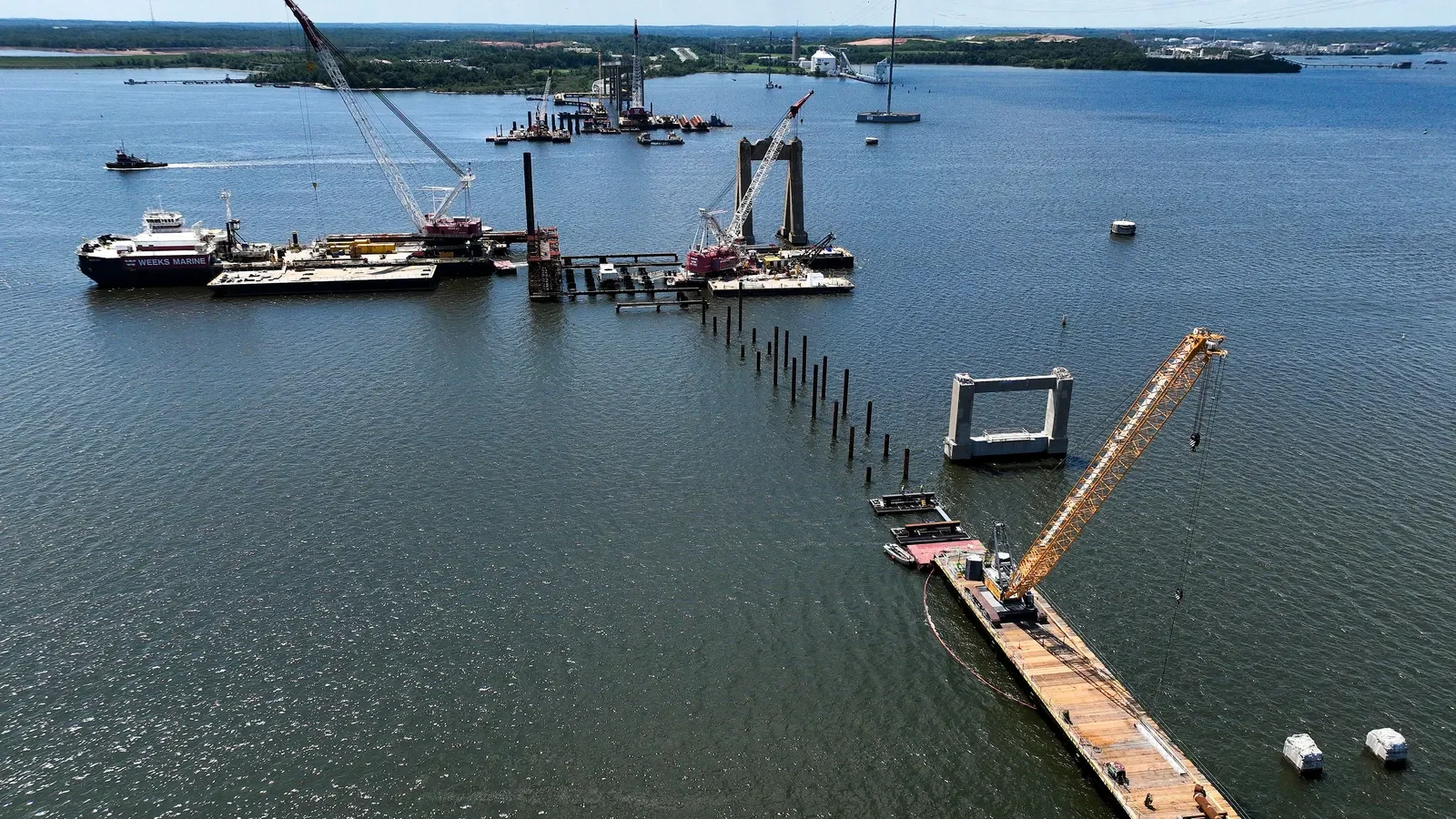
Maryland's Key Bridge Demolition Up for Bids
The Maryland Transportation Authority (MDTA) has announced the opening of bids for the next phase of the Francis Scott Key Bridge reconstruction in Baltimore. This project is particularly noteworthy as it represents the second of four major contracts aimed at revamping the aging infrastructure. With work expected to commence later this year, the contract, termed "Demolition and Miscellaneous Marine Work," will undergo a competitive, sealed bidding process that could draw interest from various contractors eager to make their mark in state infrastructure projects.
Since the MDTA first unveiled its strategy for this four-contract initiative in May, the projected budget for the demolition segment has been estimated between $50 million and $100 million. Interested bidders must submit their proposals by this fall, creating a race against time for contractors looking to capitalize on this opportunity. The stakes are high, as successful bids will set the stage for not just immediate demolition but for the subsequent phases of rebuilding the bridge, which is vital for local and regional transportation.
Scope of the Demolition Work
The upcoming scope of work involves several critical tasks aimed at removing and salvaging key structural elements of the bridge:
- Removal and salvage of steel girder spans over the Patapsco River.
- Demolition of both marine and land piers.
- Sub-aqueous demolition of marine foundations.
- Cleaning out of 96-inch steel pipe piles.
This detailed list highlights the complexity of the demolition effort. Deconstructing large infrastructure requires precision and expertise, particularly when removing marine components that interact with vital ecosystems. The MDTA’s involvement indicates a significant commitment to environmental safety, ensuring that projects are executed with minimal impact on the local habitat. Furthermore, in July, the MDTA also sought qualifications for the construction of the bridge’s main span and marine approaches, indicating comprehensive planning and strategic foresight for the bridge's future. Looking ahead, they forecast announcements for additional contracts regarding the south and north approaches in late 2026 and early 2027, which will provide further development insight into one of Baltimore's key infrastructural arteries.
Other Noteworthy Industry News
In related construction news, Turner Construction, through its Irish subsidiary Dornan Engineering, has recently achieved significant milestones in a data center project. The firm is advancing on a €48 million ($56 million) project, establishing itself as a key player in advanced technology developments in Ireland and showcasing the growing demand for data infrastructure globally. Ground was broken on this ambitious project, with structural steel installation beginning just a few weeks later, underscoring the rapid pace at which such projects can progress when planned effectively.
Turner's managing director, Brendan Herbert, highlighted the importance of this project in showcasing Dornan's versatility across multiple construction disciplines as they move toward the next delivery phase. This point is more significant than it looks; as sectors become increasingly intertwined, construction firms must adapt and demonstrate proficiency in various areas, ranging from technology to public infrastructure. This flexibility is becoming essential for companies seeking a competitive edge in a crowded marketplace.
Zachry Construction Takes on San Antonio Airport Project
In Texas, Zachry Construction has secured a contract for improvement projects at San Antonio International Airport, enhancing curbside access to the new $1.7 billion Terminal C. Working alongside Hensel Phelps, Zachry's role involves significant roadway modifications, including the use of over 3,300 cubic yards of concrete and extensive precast materials to ensure a structure that can withstand increasing traffic. Such enhancements reflect not only local demand but also the significance of air travel as a catalyst for economic growth.
As airport capacity grows, the modifications not only reflect the demand for better facility access but also mark a significant investment in San Antonio's broader infrastructure development. If you're working in this space, you understand that the connectivity offered by airports can elevate an entire region's economic potential. It's a strategic move by the city to boost its profile as a travel hub, which is likely to resonate in upcoming regional development plans.
Future Outlook: What This Means for Infrastructure Development
The current developments in Maryland, Texas, and beyond suggest a trend wherein both public and private sectors are prioritizing infrastructure improvement. The implications are substantial. As funding becomes available and needs grow more pressing, we can expect more initiatives like the Key Bridge reconstruction to surface, possibly leading to more sustained investments across various states.
However, there's a catch: the ongoing fluctuations in material costs and labor shortages can significantly influence project timelines and budgets. This uncertainty adds a layer of skepticism to ambitious plans that may otherwise seem straightforward on paper. Stakeholders must prepare for potential challenges that could arise as these projects unfold, balancing enthusiasm with a prudent approach to navigating complexities.
These developments collectively illustrate the dynamic nature of the construction industry, reflecting both public sector investment in infrastructure and private sector responsiveness to technological advancements. As we watch these projects evolve, the need for transparency and accountability in planning and execution will only grow more pronounced.
Discussion
Sign in to join the discussion.