The Growing Impact of Robotics on the Construction Market
Published Aug 19, 2026698 readers
Robotics adoption in construction is accelerating, with nearly $1 billion raised among key players addressing labor shortages and efficiency challenges.
The Rise of Robotics in Construction
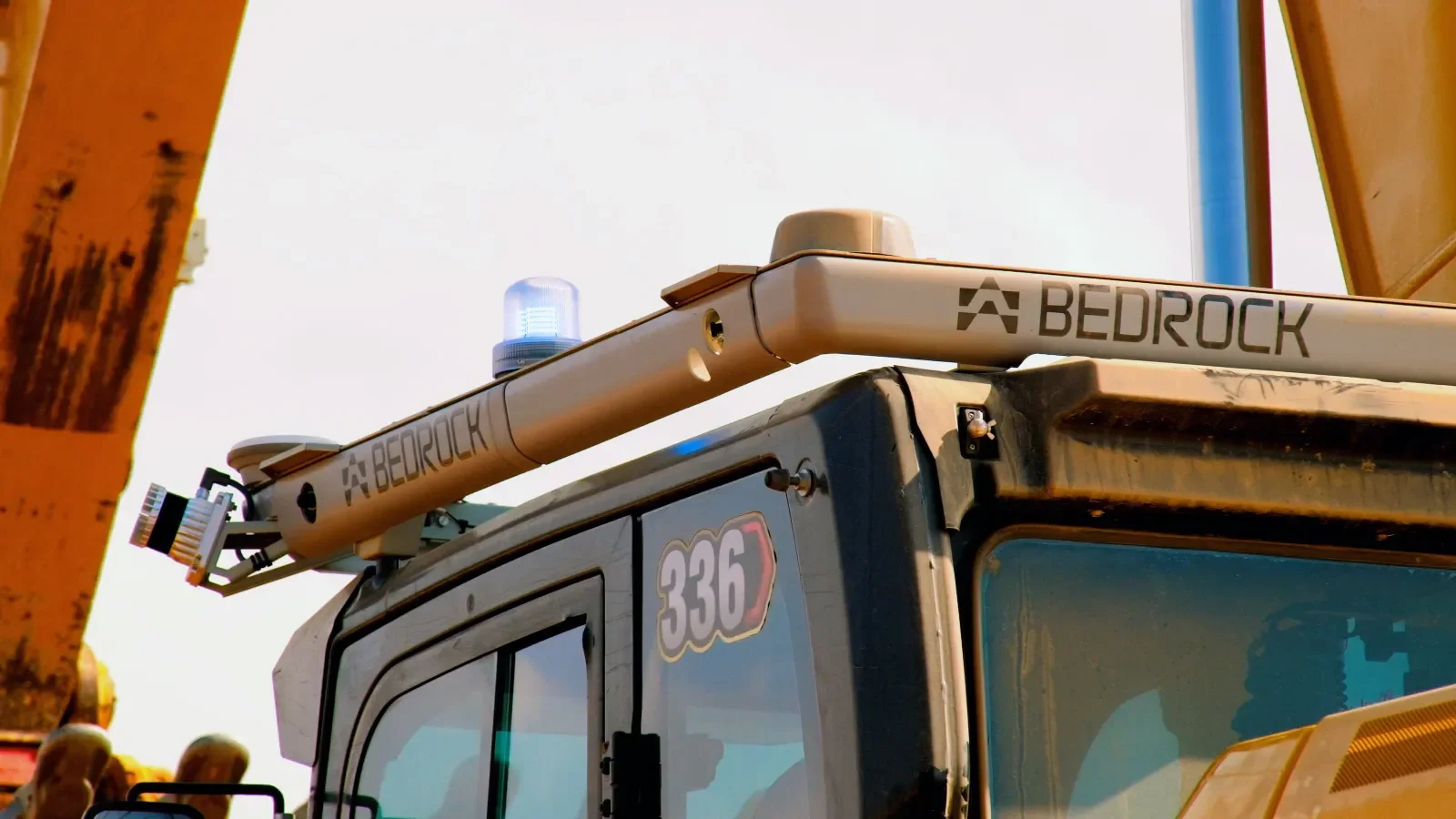
In the fast-paced construction sector, the increasing adoption of robotics is a significant trend. This week alone showcased the growing interest, highlighted by announcements from major players in the field. SoftBank recently announced a hefty $200 million investment in Gravis Robotics, a company set on revolutionizing jobsites with automation. On the same day, Bedrock Robotics disclosed that its advanced machinery was already operational with prominent contractors, including Sundt Construction and Zachry Construction.
These developments are not isolated incidents. Over the past year, the robotics market in construction has begun to gain more substantial traction. In a remarkable prior round, FieldAI, a startup specializing in "robot brains," netted $405 million in funding. Moreover, Bedrock's announcement came on the heels of its February funding success, where it secured $270 million in a Series B round, indicating investor confidence in this emerging technology.
What stands out is the dual push for robotics: established investors are keen to explore automation options, while contractors are urgently seeking solutions to address labor shortages in the field. Bedrock’s CEO, Boris Sofman, articulated this sentiment, pointing out the mounting necessity for efficient project management due to the increasing volume of earth that needs to be moved for various projects.
The collective momentum of Bedrock, Gravis, and FieldAI is impressive, with nearly $1 billion raised in funding among them. Notable tech figures, including Nvidia and Bill Gates, have recognized potential in these ventures, highlighting a substantial shift toward physical AI—technology capable of executing complex tasks in real-world conditions, which is exactly what the construction industry needs.
Understanding the Shift
Historically, there’s been a gap between the construction industry’s enthusiasm for robotics and their practical implementation. A previous BuiltWorlds report indicated that while many contractors felt optimistic about using robotics, actual adoption rates lagged. However, the latest findings suggest a significant turnaround; according to the 2026 Equipment & Robotics Benchmarking report, robotics utilization has jumped 45% year-over-year among surveyed contractors, with nearly tripling in those only experimenting.
Despite this promising data, experts caution that construction robotics are still in an early adoption phase. Daniel Ahmoye from McKinsey asserts that although advancements in robotics have been substantial, the industry is only just beginning to grasp the potential of automation in construction environments. Adding weight to this assertion, McKinsey’s findings encourage builders to proactively prepare for a future increasingly influenced by robotics.
Ahmoye anticipates two camps emerging: firms fully engaged in specialized trades or comprehensive contractors that manage entire workflows. Those operating in the middle ground may face challenges unless they adopt technology strategically, focusing on practical applications that yield demonstrable benefits.
Looking Ahead: The Future of Robotics in Construction
As we watch the construction industry embrace robotics, it's tempting to think this tech revolution will bring sweeping changes overnight. But let’s temper that enthusiasm with realism. Adoption rates are climbing, yet there’s a significant gap between hype and actual implementation on-site.
The reality is, while robots are gradually becoming mainstays in some projects, many companies remain cautious. For instance, recent investments in robotic technology by key players like NVIDIA, Gravis, and Bedrock signal a recognition of robotics' potential. Still, widespread adoption is hindered by a number of factors, including cost, training needs, and the requirement for existing workflows to adapt.
Here's the thing: If you’re involved in construction or related fields, understanding these dynamics is crucial. Not every company will leap into robot adoption; strategic planning, pilot programs, and gradual integration are likely the paths most will follow. You'll need to consider not just the immediate benefits, but also the longer-term impacts on workforce dynamics and project management.
That said, the integration of robotics could lead to increased efficiency and safety on sites. Enhanced performance in repetitive or hazardous tasks might not only improve productivity but also help alleviate labor shortages, a pressing issue the industry faces.
So, what does all of this mean for the future? While the journey toward widespread robotic integration in construction is long and fraught with challenges, those who stay informed and flexible may find themselves at the forefront of this transformative wave. The future isn’t just about the technology itself; it's also about adapting our understanding of work and collaboration in an increasingly automated world.
In closing, as you navigate this evolving landscape, keep an eye on trends and shifts. The potential is enormous, but ensuring you’re ready to harness it effectively will be what truly determines success in this sector.
Discussion
Sign in to join the discussion.