The California High-Speed Rail Authority faces potential financial crisis by the end of 2027, jeopardizing ongoing construction and future funding plans.
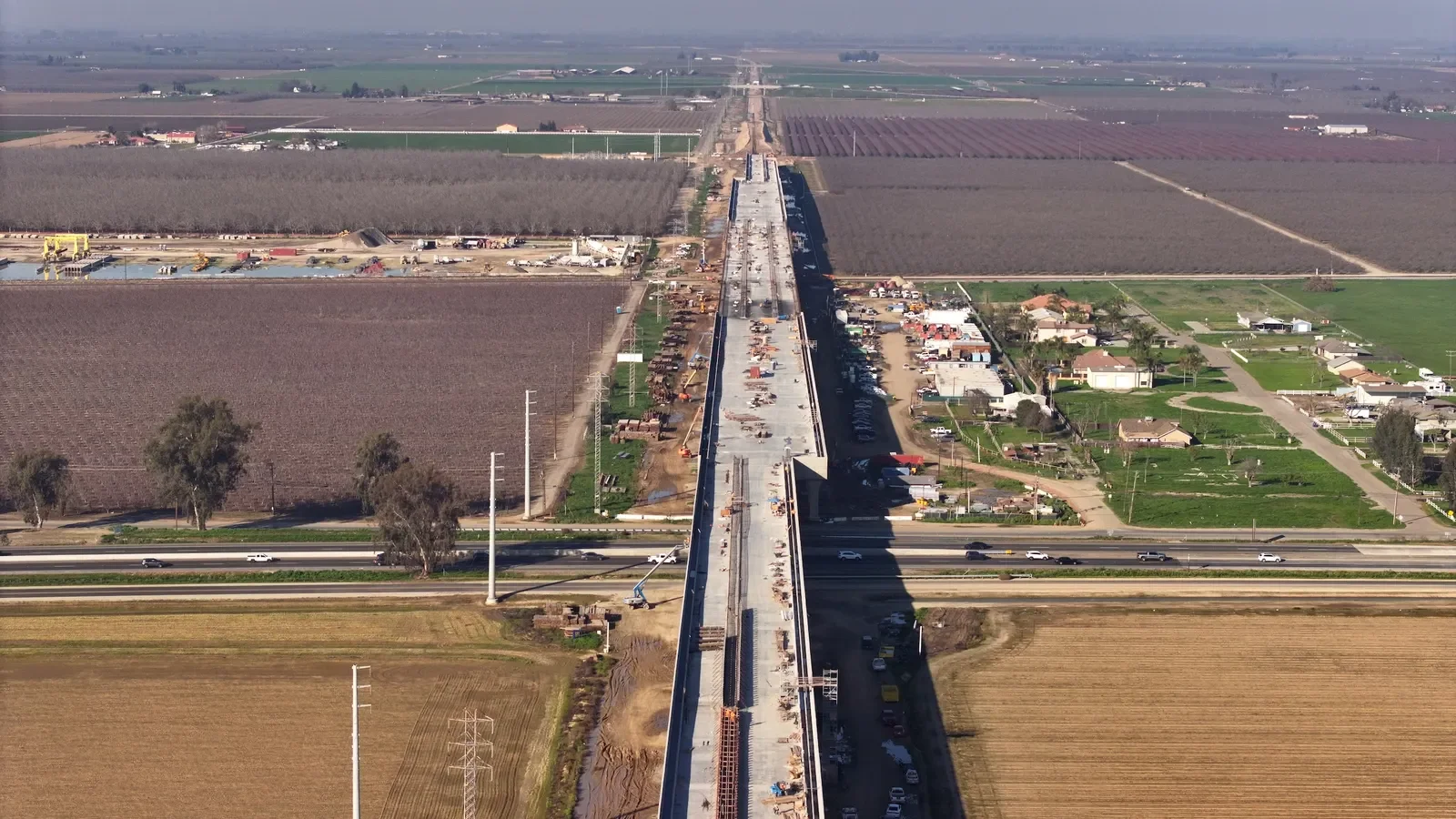
The California High-Speed Rail Authority could confront a significant financial shortfall by December 2027 unless it secures alternative funding methods, according to a report released by the Office of Inspector General on July 31. The report highlights that the expected annual funding of $1 billion from the state's cap-and-invest program until 2046 may not arrive in time to sustain ongoing construction efforts.
Funding Challenges and Future Projections
To navigate its financial difficulties, the Authority is contemplating leveraging future cap-and-invest revenues, similar to New York’s congestion pricing initiative, which allows the transit authority to borrow against incoming funds through municipal bonds. However, this strategy depends on several key approvals, including eligibility for revenue bonds from the California attorney general and legislative assurances that revenue streams will not be diminished by subsequent laws.
Such funding mechanisms aren’t unheard of, but their success often hinges on timing and political will. In New York, for example, congestion pricing was seen as a bold move to address budgetary constraints, but it faced numerous delays and opposition from various stakeholders. Here’s the thing: while California's cap-and-invest model is theoretically appealing, securing the necessary approvals can be a protracted process—one that this high-speed rail project may not have the luxury of time to endure.
Oversight Findings
The Inspector General's report critiques the Authority's optimistic projections regarding legislative changes that could improve project conditions. The Authority's current business plan estimates borrowing costs against future revenues at $3.6 billion, though the Inspector General anticipates these costs could escalate to $6.6 billion. The Authority claims lower figures do not account for speculative costs influenced by unpredictable policy shifts.
It’s quite telling that this discrepancy emerges from differing expectations about future legislation. If you're working in this space, you'll understand how regulatory climates can swing wildly, affecting forecasting models. Here, it serves as a cautionary tale: many public projects often underestimate complications arising from political maneuvering, particularly when new laws can directly alter funding projections or project costs. The Inspector General's findings cast doubt on the Authority's financial viability unless more conservative estimates are adopted.
Private Sector Engagement and Federal Funding Hurdles
Seeking additional financial support, the Authority is also pursuing private investment opportunities, having entered into a co-development agreement with a consortium to attract external funding. Given that these funds are likely to come with higher interest rates than typical state loans or revenue bonds, this avenue appears risky.
While private investment can offer a windfall, it often comes at a steep price. Investors typically require higher returns and can impose stringent conditions that may hinder project flexibility. That said, there could be benefits: private sector efficiencies might bridge gaps that public funding struggles to overcome. But this pathway isn't straightforward. The need for rapid returns on investment might clash with the long timelines generally associated with infrastructure projects.
The Authority expresses hope for future federal contributions, although current federal policies yield skepticism. The termination of approximately $4 billion in unspent federal funding by the Federal Railroad Administration adds urgency to the issue. Recent proposals in Congress regarding surface transportation legislation present further uncertainty, as ongoing negotiations have already resulted in substantial cuts to passenger rail funding.
(and this is the part most people overlook) The ebb and flow of federal support plays a critical role in large-scale infrastructure projects. The High-Speed Rail project isn't just a state venture; it relies heavily on a complicated web of federal funding mechanisms. If this funding doesn’t materialize, it places further strain on California’s already ambitious rail vision.
Next Steps and Forward Outlook
In light of these financial challenges, the Authority is actively engaging with stakeholders and exploring multiple funding avenues. It plans to address risks associated with financing and scheduling in the anticipated 2027 Project Update Report, reflecting insights from ongoing policy discussions.
However, the task at hand is daunting. Stakeholders must not only lock down necessary funds but also ensure that their projections are grounded in political and financial reality. Failure to do so may result in a significant overshoot in costs and timeframes, setting back the entire vision for California's transit future. The high-speed rail project aimed to revolutionize travel within the state, but with each passing day, the window for realistic solutions narrows.
Implications and Significance for Future Projects
What this means for you, especially if you work in infrastructure or public engineering, is a need for vigilance and adaptability. Funding strategies must be fluid to accommodate the complex interplay of state and federal policies. Future projects would be wise to heed the California High-Speed Rail Authority's challenges; they reflect a broader trend in U.S. infrastructure funding, where reliance on varied revenue sources requires comprehensive planning and robust political backing.
As the project navigates its financial waters, other states may take note—especially those contemplating similar high-speed initiatives. The anticipation of broader engagement with private capital could shift the paradigm for public engineering projects. This evolving situation may not only affect California but set precedents that resonate across the country.
Discussion
Sign in to join the discussion.