Skanska announces $418 million in education projects, including significant contracts for a theater at the University of Mary Washington and a high school in Renton.
Skanska's recent expansion in the education sector reflects its strategic approach to responding to increasing demand. In early October, the Swedish contractor reported securing three contracts valued at a combined total of $351 million, alongside commencing a fourth project worth $67 million. This move not only underscores Skanska's commitment to educational infrastructure but also positions the company favorably within a sector facing scrutiny over aging facilities and the need for modern learning environments.
University of Mary Washington Theater Project
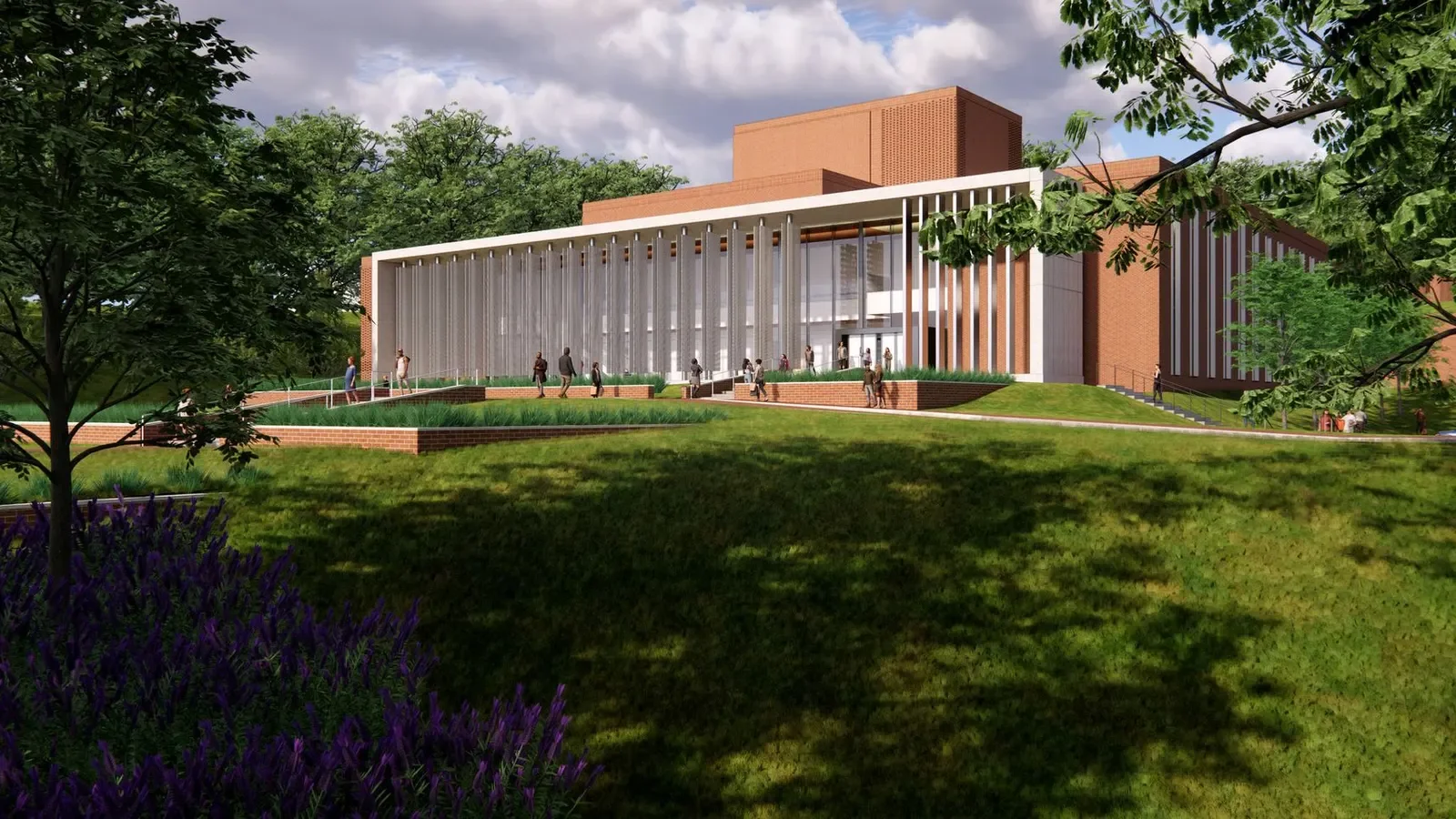
On October 1, Skanska confirmed a $163 million agreement with the University of Mary Washington, targeting the construction of a new theater and the renovation of existing fine arts facilities in Fredericksburg, Virginia. The project encompasses comprehensive work, including site development, infrastructure, core shell, and interior outfitting of a modern, multistory theater set to accommodate 293 seats. This isn't just an aesthetic upgrade; it's a total reimagining of cultural space that will likely serve as a vital hub for student creativity. Alongside this, 82,000 square feet in current fine arts buildings will be revamped, with an additional 8,950-square-foot extension coming into play. Work on the project has commenced and is anticipated to be complete by February 2030. The question remains: will this investment in culture and arts lead to greater community engagement and student participation?
New High School in Renton, Washington
Transitioning to the secondary education market, Skanska recently secured a $110 million contract with the Renton School District to build a state-of-the-art high school. This three-story construction will encompass around 350,000 square feet, designed to serve approximately 1,600 students. The investment is substantial, especially considering the current trends emphasizing STEM (science, technology, engineering, and mathematics) education. The facility will feature essential learning spaces, career and technical education facilities, a library, cafeteria, gymnasiums, and illuminated sports fields. It's clear this isn’t merely about erecting a building, but instead crafting an environment that encourages diverse learning and extracurricular activities. The construction is underway, with completion expected in the fall of 2029. Such investments signal a growing recognition of the central role educational facilities play in attracting families to communities.
Contract Amendment for Western Project
In another notable win, Skanska revealed a $78 million contract amendment with an undisclosed client to replace an existing school in a similar location. This project is significant because it highlights the demand for not just new construction but also the need to update and replace outdated facilities that no longer meet educational needs. Work on this project is already in progress and is projected to finish by 2029, reflecting a broader trend where districts must weigh the costs of renovation versus new construction, especially when budgets are already stretched thin.
Expansion at Sumner High School
Adding to its educational footprint, Skanska also began a significant construction phase at Sumner High School in Seattle as of September 30. This project, part of a three-phase expansion, has received substantial momentum following local voters’ approval of a $737 million bond measure aimed at enhancing student capacity and making widespread improvements to the district. The upcoming phase has a contract value of $67.1 million and will include a new three-story, 103,000-square-foot building housing around 50 classrooms, as well as specialized areas for culinary arts, robotics, and more. Completion is expected in the fall of 2028. This is where it gets interesting — the community’s financial commitment indicates a strong belief in the prioritization of educational infrastructure. It's not merely a construction project; it reflects a public endorsement of investing in youthful potential. What will be interesting to track is how these enhancements impact student outcomes over the coming years.
Implications and Future Outlook
These latest contracts highlight Skanska's responsive strategy to meet educational infrastructure demands while solidifying its position in key markets across the United States. The company’s projects, especially in education, manifest a commitment to enhancing the learning environments for both higher education and secondary students, aligning with growing community needs. But there’s more at stake here than just bricks and mortar. With educational systems under increasing pressure to provide modern facilities that reflect the complexity of today’s learning needs, Skanska is likely positioning itself not just as a contractor but as a leader in educational dialogues. What this means for you, if you're working in this space, is that there are sizeable opportunities on the horizon, but they come with raised expectations. Schools today aren’t just classrooms; they are community lifelines, requiring thoughtful design and execution to truly serve their purpose. The long-term implications of these projects will likely stretch well beyond their physical boundaries, influencing community engagement, local economies, and perhaps, even educational equity.
Discussion
Sign in to join the discussion.