A $128 million community project in Brooklyn was completed two years ahead of schedule, showcasing sustainable building practices and design-build efficiency.
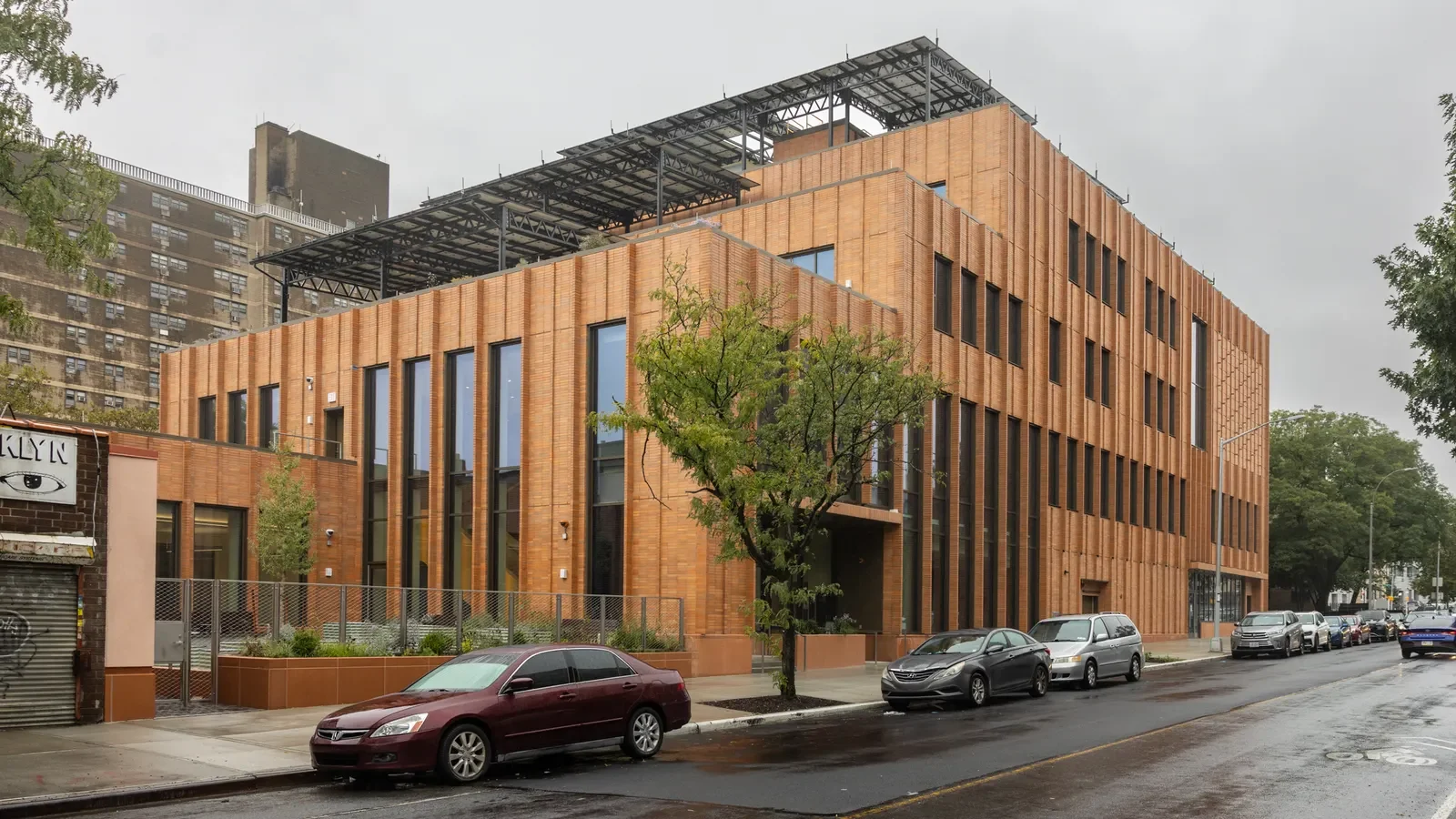
Gilbane Building Company and Marvel Architects recently announced the successful completion of the Brownsville Multi-Service Center, a $128 million project in Brooklyn, New York. This initiative not only finished two years ahead of schedule but also came in $10 million under budget, underscoring the efficiency of the design-build model.
Project Overview
Spanning 60,000 square feet over four stories, the Brownsville Multi-Service Center is set to accommodate various community organizations. This facility aims to act as a hub for local residents, offering resources and services that can help improve the quality of life in a neighborhood that has faced economic challenges. The project aligns with New York City's climate resilience standards and incorporates an all-electric structure, featuring solar panels on three levels. The building aspires to achieve or surpass LEED Gold certification, a standard that emphasizes water efficiency, materials use, and energy performance.
Sustainable Design Features
The design illustrates a thoughtful approach to environmental sustainability. The facility includes 10 office spaces, three multifunctional conference rooms, a commercial kitchen, a 1,600-square-foot community garden, green roofs, and dedicated areas for public art. These features are not merely amenities; they serve essential functions. Public art fosters community pride and engagement, while the garden offers a space for local residents to grow food, providing both nourishment and educational opportunities. Such components enhance the aesthetic value and promote community engagement and sustainability, setting a precedent for future urban developments.
Benefits of Design-Build Collaboration
The success of this project can largely be attributed to the design-build delivery method, where Gilbane effectively collaborated with Marvel and various stakeholders early in the process. This coordination allowed for timely decision-making that aligned with the building schedule—something especially critical for public projects known for their often cumbersome timelines. Raquel Diaz, Vice President and New York City Business Leader for Gilbane, pointed out that this approach mitigated common delays associated with traditional design-bid-build methods.
Jade Bailey, Assistant Commissioner for Alternative Delivery at the city’s Department of Design and Construction, remarked that implementing a two-step procurement process significantly streamlined workflows. This method helped front-load critical tasks and enabled the simultaneous demolition of the prior structure while the new building was conceived. Such foresight not only sped up the process but also resulted in considerable financial savings. It’s a tactical framework that might influence how future public projects approach similar logistical challenges.
The Future of Sustainable Construction
The all-electric design of the Brownsville Multi-Service Center signifies a pivotal milestone in New York City's clean construction initiatives. The city's broader commitment to sustainability has been bolstered by recent directives and executive orders aimed at enhancing green practices in public construction projects. These efforts are not just about compliance; they reflect a growing awareness of environmental implications as urban centers grapple with climate change, resource scarcity, and pollution.
By prioritizing energy-efficient and environmentally friendly construction, the Brownsville Multi-Service Center highlights a shift in traditional building practices. What this means for future constructions is that sustainability won't just be an add-on feature but rather an integral part of the design and build processes. The success of this project could motivate other municipalities to adopt similar strategies, potentially influencing legislation and funding for future initiatives. But are other cities ready to embrace this paradigm shift? That question lingers.
Implications and Significance
The completion of the Brownsville Multi-Service Center stands as a beacon for what can be achieved when sustainable design principles meet collaborative execution. This project reinforces the effectiveness and adaptability of the design-build process in urban redevelopment. Given the complexities involved in public-sector construction, the anticipated benefits—both immediate and long-term—shouldn't be underestimated. It's not just about a new building; it's about setting a standard for inclusive community spaces that address socioeconomic and environmental challenges.
For real estate professionals and urban planners, this model may serve as a template for future projects. If you're working in this space, consider how such design-build collaborations could be applied to your projects. The integration of advanced sustainability features alongside efficient construction practices might become the norm rather than the exception. But, the challenge remains: will these practices be embraced widely enough to effect real change?
And this is the part most people overlook. While the success of the Brownsville Multi-Service Center is commendable, it also raises questions about scaling similar methods across varied communities, each with its own unique needs and constraints. The ripple effects of this project may extend beyond Brooklyn, prompting a reevaluation of how urban developments are approached across the country.
Discussion
Sign in to join the discussion.