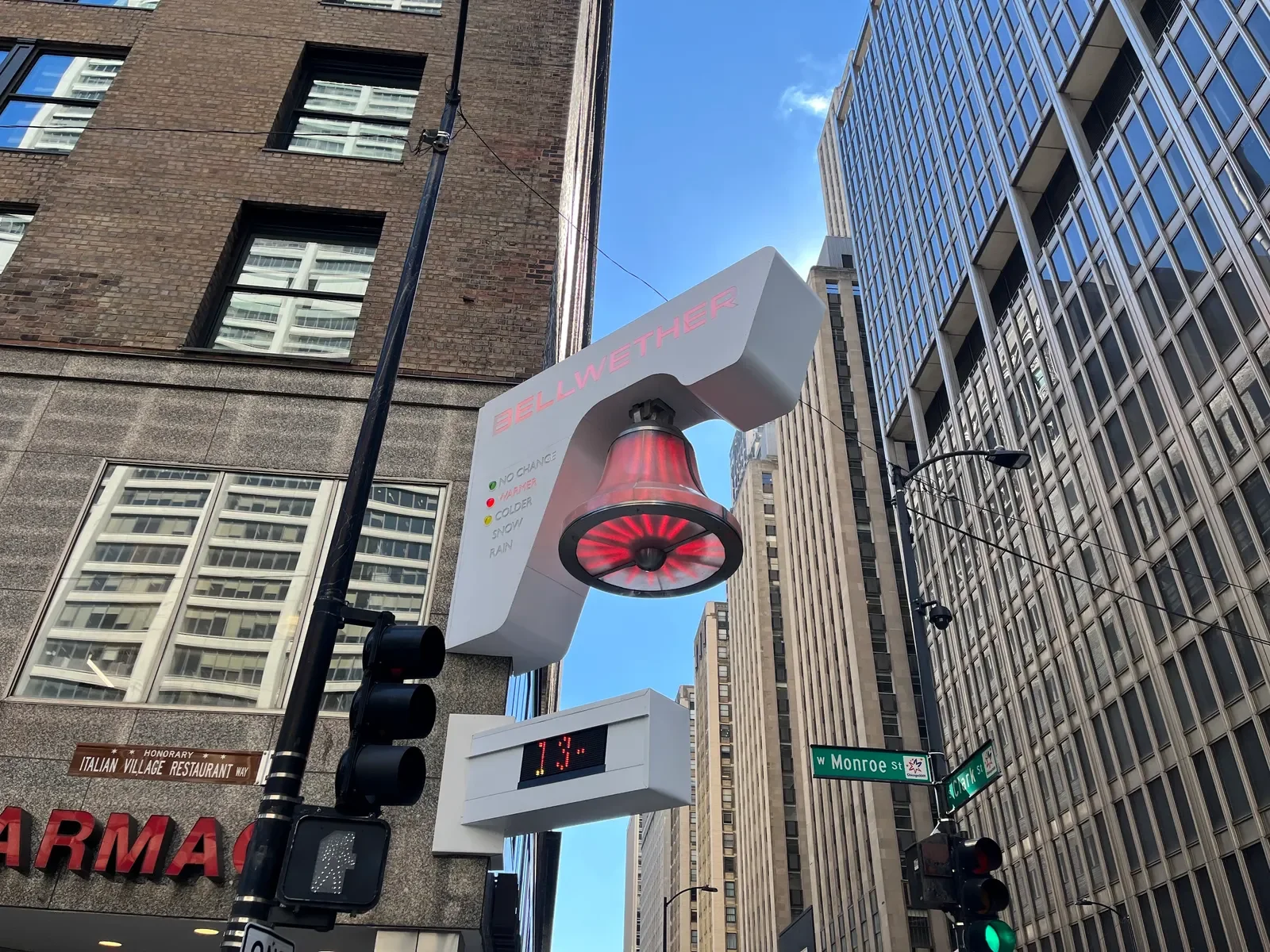
The Bellwether project in Chicago transforms office space into 117 mixed-income housing units, signaling a shift toward urban residential revitalization.
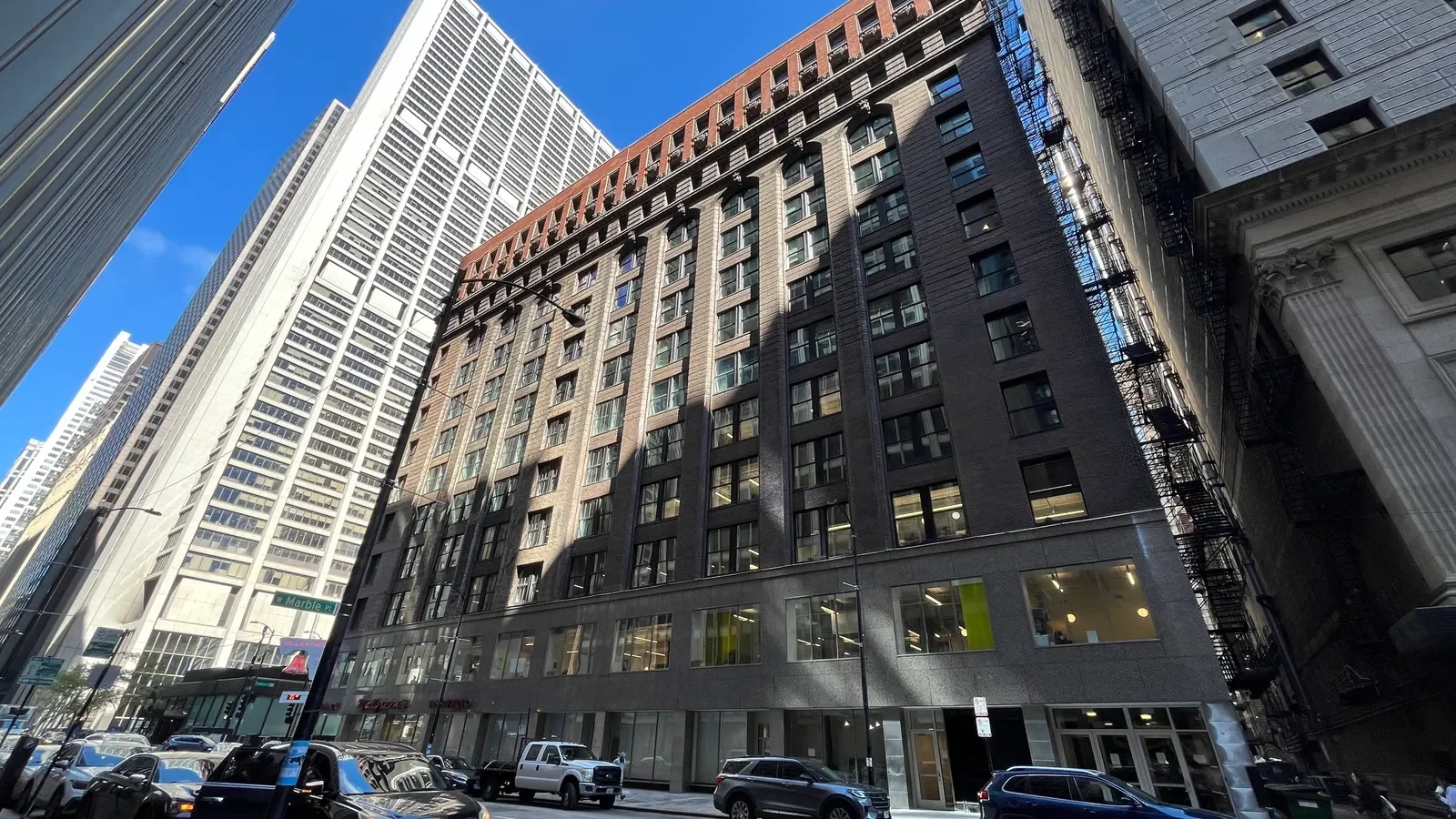
Last month, city officials gathered in downtown Chicago to celebrate a significant milestone: the completion of the first office-to-housing conversion in the Loop, marking a transformative effort for urban living.
A Historic Undertaking
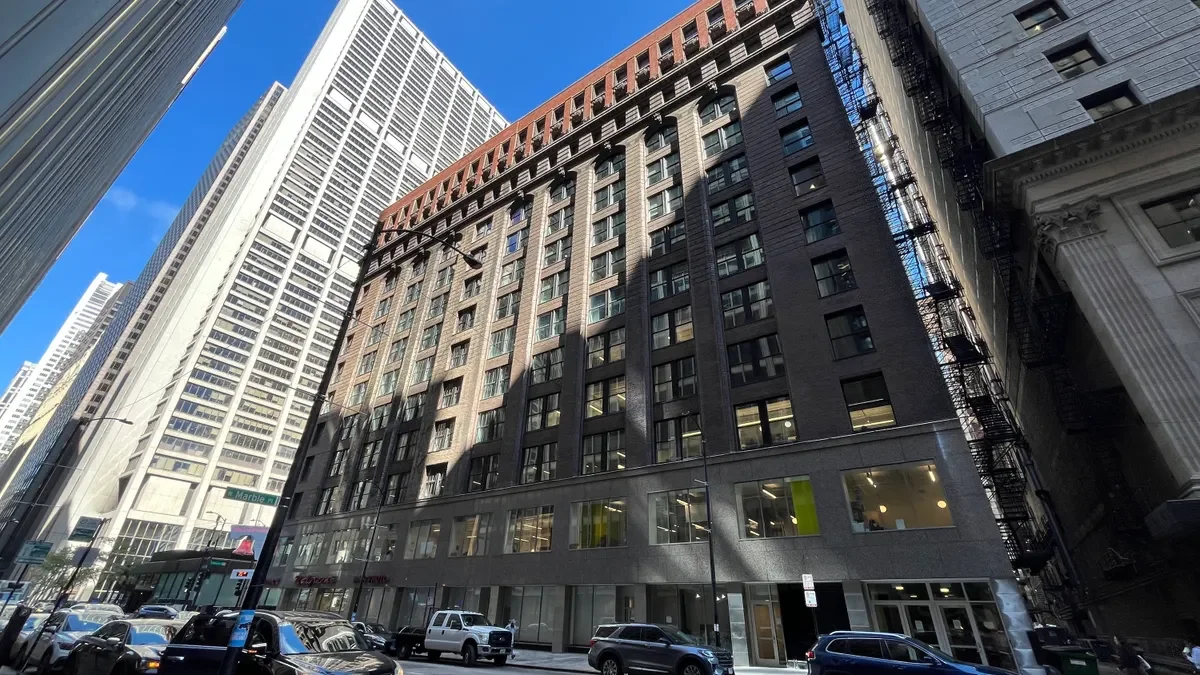
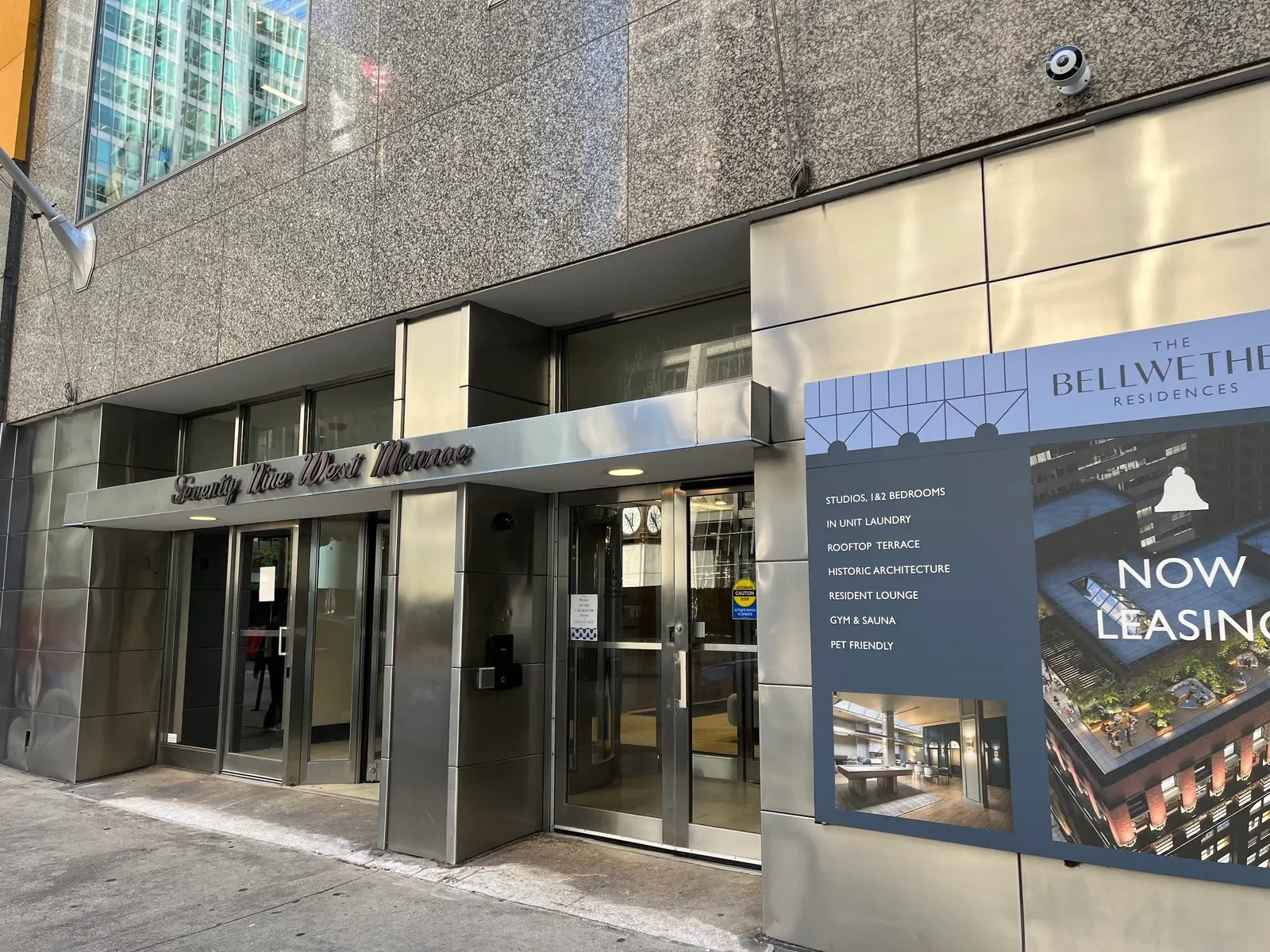
This recent initiative, known as the Bellwether, takes residence in the historic Rector building. Developers have seamlessly renovated 11 floors of previously vacant office space into 117 residential units. Among these, 41 units are designated for households earning around 60% of the area's median income. This decision isn't merely about filling empty space; it addresses a pressing social issue. Urban areas often struggle with affordable housing, and this project attempts to alleviate such burdens.
The financial framework of the project includes significant public funding, notably $28 million in tax increment financing, which signifies the city's commitment to urban development. Additionally, the historic landmark designation unlocked about $7.8 million in federal tax credits, promoting multi-faceted benefits by reviving a vintage building while fostering modern habitation.
Part of a Larger Vision
The completion of the Bellwether is just the first step among six proposed office-to-housing conversions in the LaSalle Street Reimagined initiative, which aims to create a total of 1,765 mixed-income housing units from currently unused office spaces. This is more significant than it looks. Mixed-income projects can foster a more equitable community by integrating different social strata into one neighborhood.
DPD Commissioner Ciere Boatright characterized the Bellwether as a pioneering effort designed to redefine living, working, and recreational spaces in the heart of Chicago. This understanding of urban interactivity is crucial; as cities evolve, blending these facets becomes essential for vibrancy and sustainability. The emphasis on mixed use in urban design is gaining traction, primarily because it promotes local economies and minimizes transportation needs.
Addressing Urban Challenges
This initiative comes at a critical time, as Chicago faces a notable shortage of affordable housing and a rise in office vacancies. Reports suggest the city is short on hundreds of thousands of affordable units. With over half of its residents spending more than 30% of their income on housing, these conversions aren't just a trendy response; they’re a necessity. If you're working in this space, you understand that the challenges posed by high vacancy rates necessitate innovative solutions that can adapt to changing socio-economic conditions.
As remote and hybrid work models reshape the office environment, the need for office-to-residential conversion projects escalates. In this context, office buildings that once buzzed with people are now left vacant, increasing the urgency for repurposing these spaces. Chicago ranks third nationally behind New York City and Washington, D.C., when it comes to the number of adaptive reuse projects underway. This ranking isn’t a trophy; it’s revealing a trend that cities must critically evaluate. However, challenges remain. Will the conversions truly meet the affordability criteria promised? That’s a central question.
The Role of Private Initiatives
Besides city-sponsored efforts, nearly 24 private conversions are evolving across Chicago, anticipated to yield about 4,000 new residential units. The dual approach of combining public initiatives with private efforts provides a more holistic solution to a multifaceted problem. Gary Stoltz, a representative for the development team, emphasized that the completion of the Bellwether showcases the potential of adaptive reuse for revitalizing downtown assets. But what about long-term sustainability? Will these units remain affordable? Will the integration of different income levels truly promote community cohesion?
(And this is the part most people overlook): the potential for these projects to not just add units, but genuinely enrich local communities by attracting diverse populations. Urban living has often favored the affluent, and the promise of mixed-income developments may actually foster a more balanced urban ecosystem.
Future Outlook: What Lies Ahead
The implications of the Bellwether and similar projects extend beyond just satisfying immediate housing needs. They signal a shift in urban planning philosophy, nudging cities to reconsider their space utilization and integrating more adaptive reuse concepts. This might not only combat the vacancy crisis but could also rejuvenate urban centers that have seen decline due to shifting work habits.
However, the success of this approach hinges on ongoing governmental support and private sector commitment. If these units genuinely deliver on affordability while fostering vibrant communities, there could be a template here—not just for Chicago, but for cities nationwide grappling with similar challenges. The landscape of urban living could evolve in ways that better reflect the needs of modern inhabitants and build more resilient communities.
Discussion
Sign in to join the discussion.