Data center construction is booming, with a 73% year-over-year increase, reflecting the rising demand for technology infrastructure across the U.S.
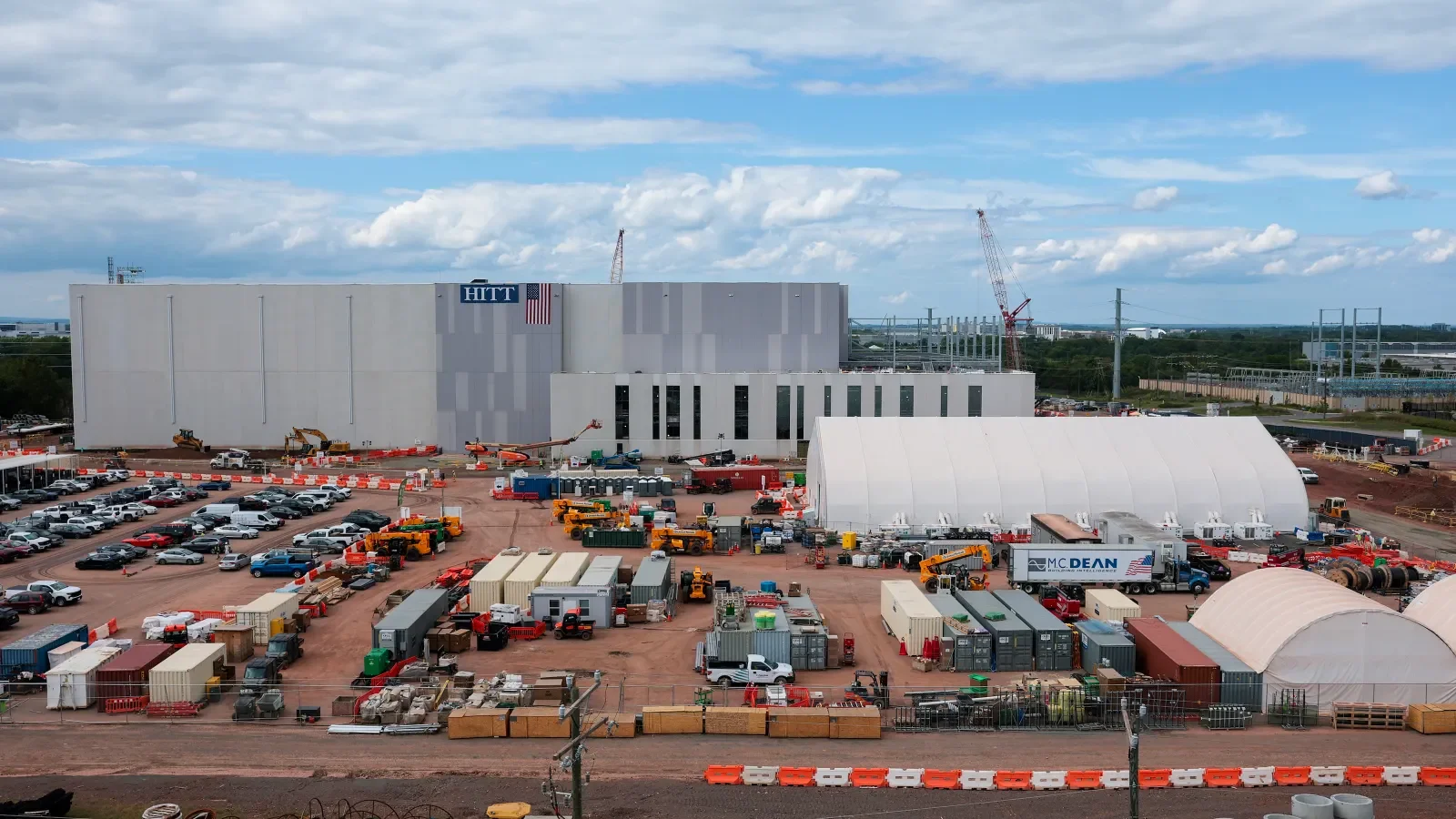
The data center construction sector is experiencing an extraordinary surge, significantly outpacing other construction categories. Spending rose by an impressive 7.5% month over month in August, with the sector recording over a 73% increase compared to the previous year and an annualized growth of 149% since March. As Anirban Basu, chief economist with the Associated Builders and Contractors (ABC), pointed out, the challenge now lies in contextualizing this rapid expansion.
Construction Spending Trends
Total construction spending in the U.S. saw a modest boost of 0.9% in August, climbing to a seasonally adjusted annual rate of $2.2 trillion, according to a U.S. Census Bureau report. Both private nonresidential and public construction spending experienced increases of 1% and 0.2%, respectively. However, the data center segment stands out, having consistently driven significant investment growth. This divergence highlights a critical moment in construction where certain sectors flourish while others lag.
Looking deeper, the kind of growth data centers are experiencing isn't just localized to one region or demographic. Across the board, increased digital consumption, the rise of cloud services, and the necessity for robust cybersecurity frameworks are pushing companies to invest in data center infrastructure. If you're working in this space, you'll recognize that these facilities are no longer just physical locations for data storage—they're becoming central nodes in the economy itself.
Implications of Increased Investment
The ongoing race in data center construction reflects a broader trend towards substantial investments in technology infrastructure, particularly fueled by escalating demand for artificial intelligence resources. As more businesses move operations online and embrace AI solutions, the need for sophisticated data management becomes paramount. Basu emphasized the sheer velocity and magnitude of this boom, which has contributed to consecutive monthly gains in nonresidential construction spending. The implications go beyond mere numbers; they speak to how foundational this investment is to modern business operations.
This is more significant than it looks. When companies invest in data centers, they aren't just pouring money into bricks and mortar. They're equipping themselves to handle ever-increasing data loads, thereby increasing efficiency and competitiveness. The cycle becomes self-reinforcing: as businesses expand their digital footprints, they, in turn, further the need for more data centers. If the demand for data storage and processing continues unabated, we might see an even quicker shift in construction priorities.
Broader Construction Insights
Despite the focus on data centers, August also saw positive momentum in 11 out of 16 nonresidential construction categories, with manufacturing construction showing its first monthly increase since January. This indicates a potential recovery in segments that had previously stalled, though none are accelerating quite like data centers. The construction industry appears to be at a tipping point where technology-focused sectors thrive while traditional categories like retail and non-tech office spaces still struggle to regain their footing.
Manufacturers have begun to pivot toward investing in their facilities to enhance productivity, which could contribute to a rebound in the overall construction sector. However, challenges remain. For example, fluctuating material costs and labor shortages continue to hinder broader recovery efforts. These factors may stymie growth in sectors driven by traditional physical commodities, contrasting sharply with the tech-driven focus on data centers.
Challenges Ahead
As we consider the future of construction spending, the exceptional growth in data centers signals a tech-driven economy brimming with opportunity but also challenges. High demand often invites scrutiny. For example, could this rapid expansion result in overcapacity? If data needs level off or decrease, the sector might face significant retrenchment. This raises important questions about sustainability.
Moreover, the environmental impact of rapid data center development cannot be ignored. Data centers, particularly those that rely on traditional energy sources, consume massive amounts of power, raising concerns about the carbon footprint. Local governments and communities will increasingly demand that developers adopt sustainable practices, which could necessitate a shift in how these centers are designed and operated. (and this is the part most people overlook)
Future Outlook
Looking to the future, we must ask how long this data center boom can last. Analysts and industry leaders will have to keep an eye on technological advancements and the evolving needs of businesses and consumers alike. The fervent demand for data is likely to remain strong for the foreseeable future, fueled by advancements in AI and IoT technologies. However, the challenge will be managing not just the construction boom but also the operational aspects and long-term sustainability.
In conclusion, the construction sector, particularly in data facilities, is at a critical juncture. Significant investment is reshaping the economic landscape, but stakeholders must remain vigilant to ensure that growth does not outpace infrastructure support or lead to negative consequences down the line.
Discussion
Sign in to join the discussion.