The $677 million Oak Hill Parkway, a vital roadway upgrade in Austin, officially opens, enhancing connectivity for the city's westward expansion.
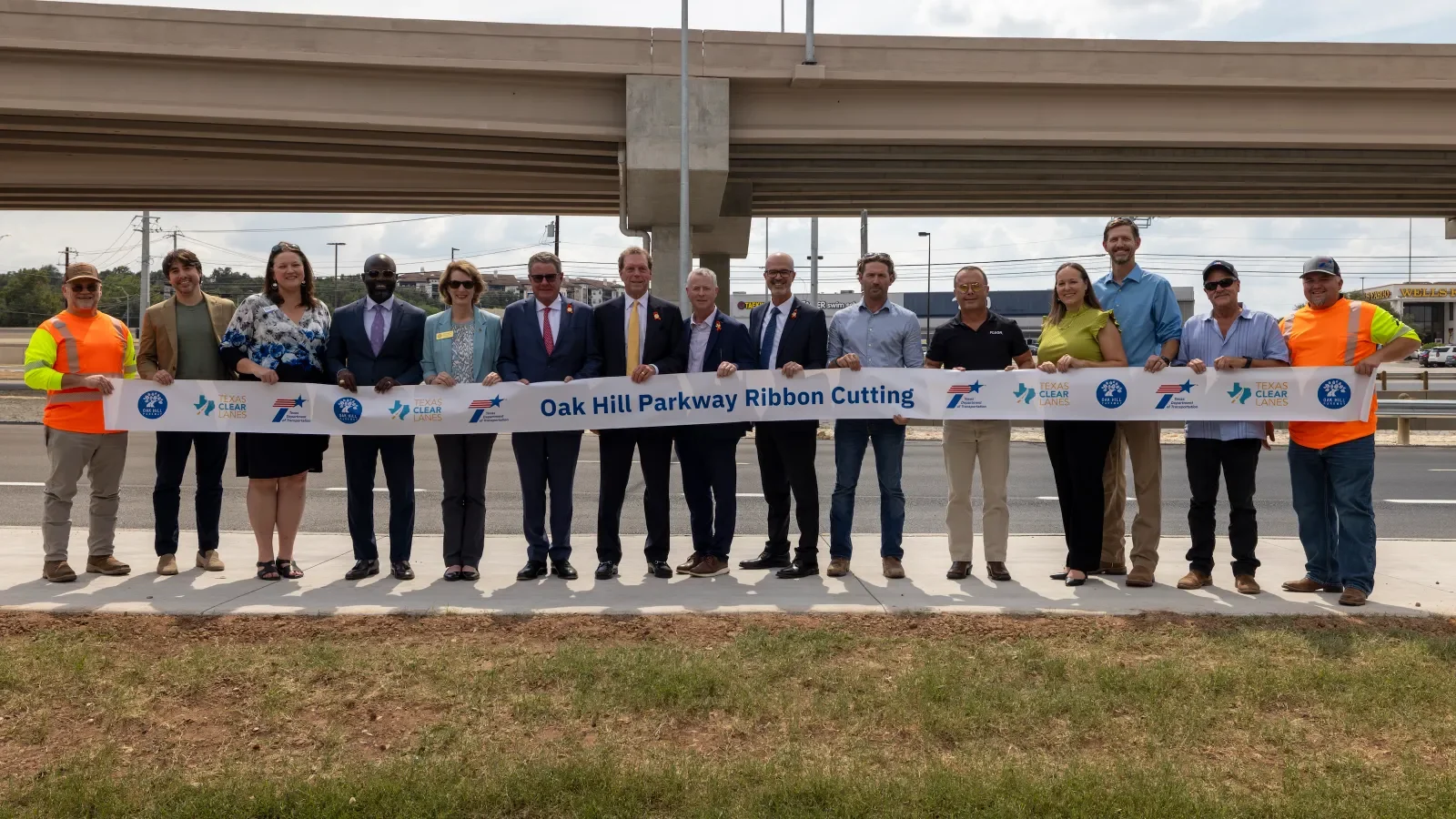
The Oak Hill Parkway, a crucial connector for Austin, Texas, has officially opened after five years of construction, marking a significant improvement in local infrastructure. This project is more than just an expansion of roads; it's a lifeline for the growing communities in the surrounding areas. Austin, a city already known for its booming tech industry and increasing population, required such infrastructure improvements to keep pace with its rapid growth.
A joint venture between Fluor and Balfour Beatty announced the completion of this $677 million project, which enhances accessibility for quickly growing communities west of Austin. The financial outlay speaks to the importance of these infrastructural enhancements, revealing both the level of investment in the region and the urgency of addressing traffic needs. With Central Texas experiencing unprecedented growth, ensuring efficient transportation options has become critical for local residents and businesses alike.
This venture was part of the Texas Department of Transportation's Clear Lanes initiative, encompassing approximately 7 miles of reconstruction and widening on U.S. Route 290 and State Highway 71 in the Oak Hill area. The upgrades expanded the roadway from two to three lanes in each direction, addressing both current and future traffic demands. Given the historical congestion issues in this area, these upgrades should, in theory, alleviate long-standing bottlenecks, improving commute times and overall accessibility.
Key Features and Enhancements
The upgraded highway infrastructure includes direct-connect flyovers linking U.S. Route 290 and State Highway 71, along with a new overpass at William Cannon Drive. Notably, the former Y-interchange has been replaced with a more effective single-point urban interchange, which should streamline traffic flow significantly. These types of interchanges are designed to minimize conflict points and reduce delays, making them essential in urban traffic management.
Additional enhancements feature newly constructed frontage roads, shared-use paths, and provisions for cyclists and pedestrians, promoting a balanced transportation ecosystem. While the roadway is now open for traffic, remaining activities such as landscaping, paving, and striping are still ongoing. These auxiliary enhancements are vital; they ensure that the new infrastructure can support a variety of modes of transportation, which is increasingly essential in urban planning.
Fluor anticipates that all final project elements will be completed by the end of this year, which should make a difference for residents who have navigated through construction zones for years. However, the project isn't just about immediate benefits; it's also an investment in future traffic management. As Austin continues to grow, the added capacity will hopefully prevent the severe congestion issues that have plagued many urban areas.
Previous Collaborations
This isn't Fluor and Balfour Beatty's first collaboration in Texas; the two firms have successfully partnered on several major highway projects. In 2019, they were entrusted with a $1.7 billion reconstruction of a segment of Interstate 635 in Dallas, and in 2017, they undertook the $625 million Southern Gateway highway project, which added significant lane capacity across 11 miles of I-35. These past projects illustrate their capacity to deliver large-scale infrastructure improvements while balancing the needs of urban populations.
These long-standing collaborations signal a strong partnership engineered to tackle Texas's transportation challenges effectively and efficiently. The experience gained from previous projects equips both companies with insights into not just technical challenges but also community engagement—an often overlooked but crucial aspect of such large undertakings. These insights could lead to more successful outcomes in terms of public acceptance and support.
Broader Implications for Austin and Beyond
The successful completion of the Oak Hill Parkway brings with it several broader implications. Urban development and subsequent infrastructure planning often occur in tandem; as new residents move into the area, there's an increased demand for transportation solutions. If you’re working in this space, you should pay attention to how improvements in one area can stimulate growth in another. It’s a domino effect, where efficient transport not only attracts new businesses but encourages existing ones to expand.
Moreover, this project may also set a precedent for future infrastructure projects in Texas. The successful concerted effort between public agencies and private contractors can serve as a model for ongoing transportation challenges throughout the state. Expect to see other communities looking closely at the methodology used here, particularly as rapid urbanization continues affecting numerous regions across the U.S.
And yet, optimism should be tempered with realism. Construction and expansion efforts often lead to “induced demand,” where improvements lead to an uptick in traffic as more people choose to drive. Classic case in point: just widening roads rarely eliminates congestion long-term. Sustainable infrastructure planning must consider not just expansion, but also integrated public transit options, green spaces, and pedestrian pathways.
The Oak Hill Parkway definitely represents progress in Austin's infrastructure development. Questions linger, however, about how maintainable this progress will be and whether it will keep pace with the city's booming growth. Often, it’s infrastructure that becomes the forgotten aspect of a burgeoning metropolis, which can lead to future dilemmas. The road’s opening is a step in the right direction, but it’s not the endgame. The long-term success of these upgrades needs careful monitoring and adaptive management.
Discussion
Sign in to join the discussion.