NC State is partnering with Comer Construction to examine the shift from standard hard hats to Type II helmets for improved worker safety.
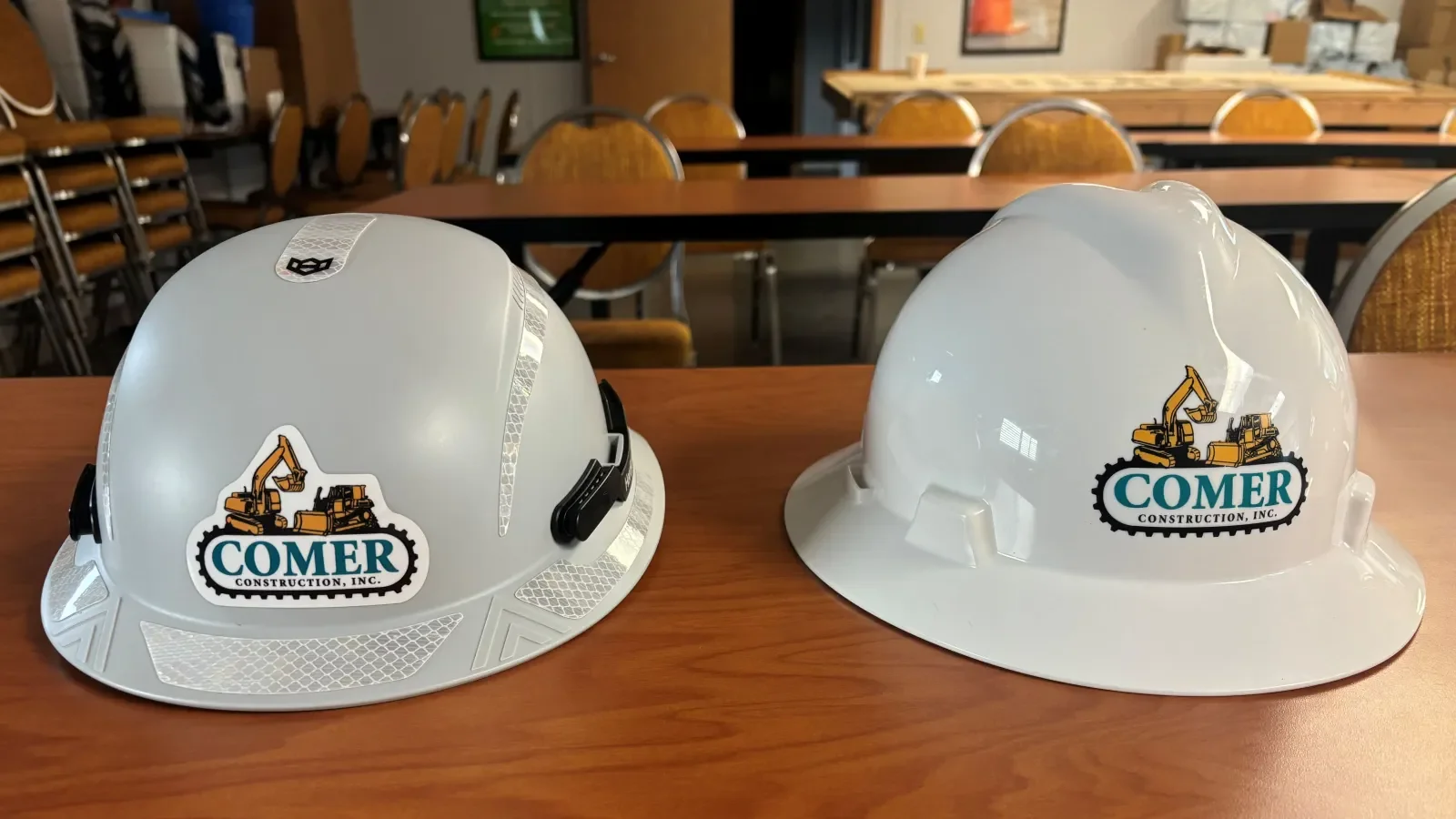
North Carolina State University (N.C. State) is embarking on a significant study, backing a pilot program aimed at enhancing the safety of construction workers through advanced helmet design. Funded by a grant from the Job-Site Safety Institute (JSI), this initiative seeks to evaluate the transition from Type I hard hats to Type II safety helmets, which are positioned to provide better head protection. The push for improved head safety is long overdue in an industry where the stakes are high, and injuries are far too common.
Partnership for Progress
Comer Construction, located in Forest Hill, Maryland, is collaborating with N.C. State and JSI to explore practical considerations for this equipment upgrade. Comer’s involvement is pivotal since the company operates extensively in both commercial and residential sectors. This dual experience allows them to assess the application of new safety measures in varied environments, providing insights into how organizations may incorporate better protective strategies in their daily operations. The program's primary objective is to assess the effectiveness and feasibility of employing Type II helmets on active job sites to enhance safety.
Understanding the Benefits
Type II helmets offer distinct advantages over traditional models. They include a chin strap and are designed to safeguard against impacts coming from various angles, which can considerably reduce risks associated with falls and other potential hazards. These helmets also include features like improved ventilation and comfort, which can lead to higher acceptance and compliance among workers. Jodi Vedelli, JSI’s Chief Strategy Officer, noted the initiative stems from a desire to minimize injuries on job sites, underscoring the importance of re-evaluating existing protection measures. This reassessment comes at a time when the focus on worker safety has never been more critical, as workplace injuries remain a significant concern nationwide.
Challenges Ahead
Despite the clear benefits, the transition is not without its challenges. Erik Anderson, Vice President of Anderson Moore Kitchen & Bath in Winston-Salem, pointed out financial concerns regarding the cost disparity. While a standard hard hat can often be purchased for about $15, Type II helmets are priced over $100. This financial barrier could complicate widespread adoption, especially for smaller firms with limited resources who are already balancing tight budgets and safety compliance. For many in the industry, it's a daunting decision: invest in higher-quality safety gear or stick with the lower-cost option and risk more severe injuries.
However, some industry leaders, including Susie Comer of Comer Construction, remain optimistic. She argued that the long-term safety benefits of switching helmets justify the initial investment, claiming it’s “almost a no-brainer” when considering the potential reduction in workplace injuries. This sentiment echoes a growing understanding that the costs associated with accidents far exceed the expenses incurred from investing in better safety equipment.
Industry Insights and Previous Research
The collaboration between N.C. State and JSI is rooted in prior research examining personal protective equipment within the construction industry. Alex Albert, an associate professor at N.C. State, indicated that earlier studies revealed a worrying lack of awareness among workers regarding the differences between Types I and II helmets. This knowledge gap highlights a critical opportunity for education and improved safety measures. Workers equipped with the right knowledge are more likely to adopt safer practices—and that’s a significant point. If you're working in this space, this is where targeted training can make a difference.
With around 200 construction workers dying annually from traumatic brain injuries in the U.S., the urgency of this study cannot be overstated. Albert found that workers were more receptive to the switch once they understood the increased safety that Type II helmets provide for overall head protection. This underscores the need to develop not just better equipment but also effective communication strategies to inform workers of its benefits.
Looking Forward
A key takeaway from this initiative is a broader push toward adopting improved safety standards not just in commercial construction, but also in residential building. As Anderson emphasized, while commercial projects have begun to embrace these enhanced safety measures, the residential sector still lags behind. This discrepancy could mean that residential workers remain at greater risk, indicating an area ripe for increased safety protocols and educational efforts.
The aim is to develop a genuine industry model that can facilitate the transition from traditional hard hats to Type II safety helmets. This program could serve as a benchmark that demonstrates the necessary steps for ensuring optimum worker safety. It’s a challenging prospect, yet one that could set a precedent for future safety implementations across the construction sector.
Implications and Future Outlook
JSI’s ongoing mission is to reach contractors across the spectrum, particularly smaller firms struggling with safety resource limitations, to foster an environment where enhanced protective measures are the norm rather than the exception. This could involve not just financial strategies, but also partnerships between companies to bulk-purchase necessary gear. The implications are significant: raising awareness about safety equipment will not only make jobsites safer but could also reduce the overall incidence of work-related injuries.
The findings from this study are expected to shape the future of construction safety, bridging crucial gaps in knowledge and equipment usage that could ultimately save lives. As the conversation surrounding workplace safety evolves, this initiative may very well mark a turning point. Will it prompt widespread change? Or will challenges remain insurmountable? Only time will tell, but it’s worth keeping an eye on.
Discussion
Sign in to join the discussion.