The FAA is allocating $1.1 billion to upgrade airports across the U.S., focusing on infrastructure improvements and enhanced safety features.
Investment Allocation and Objectives
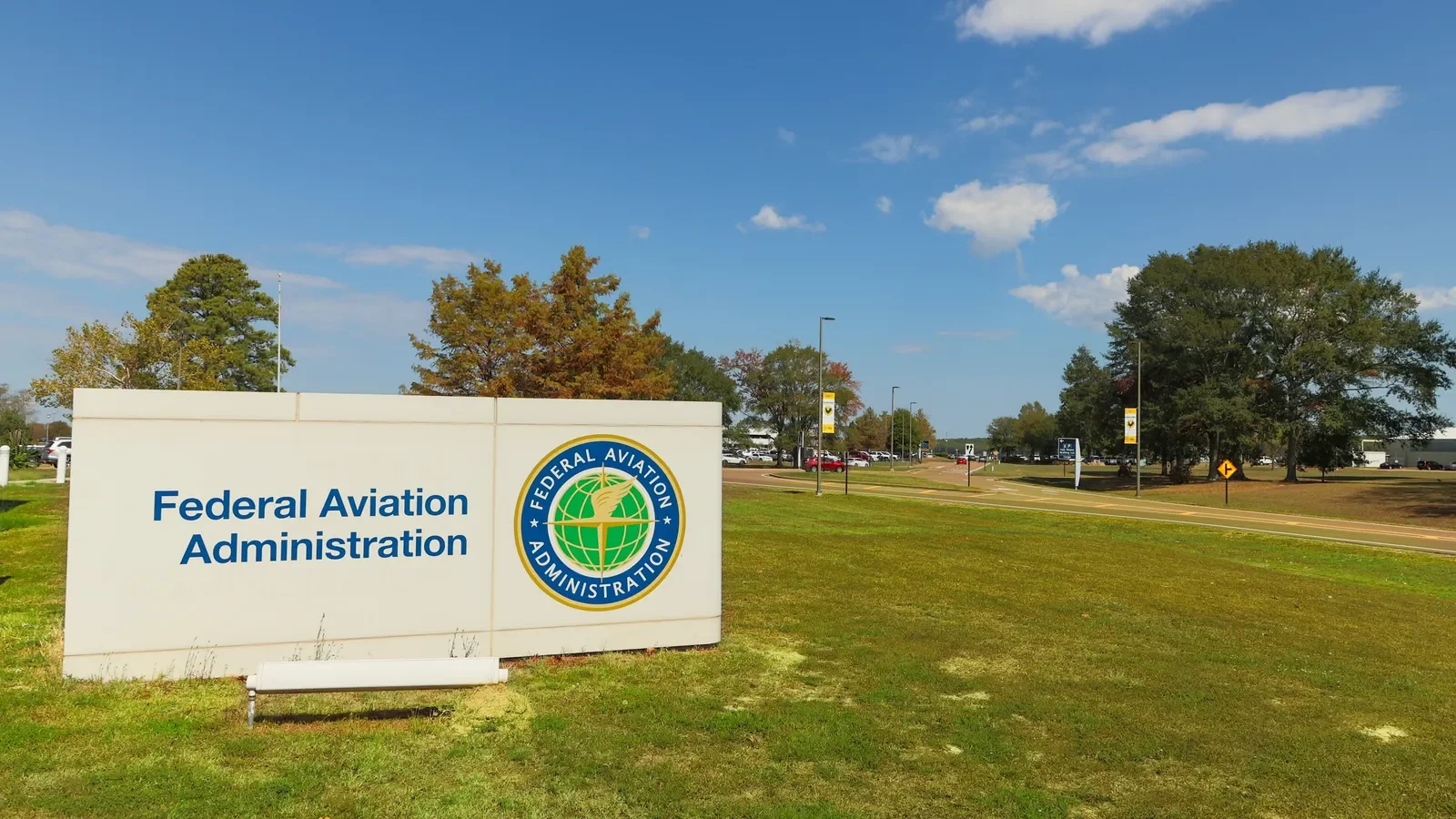
The Federal Aviation Administration (FAA) is channeling $1.1 billion through 280 grants to upgrade airport infrastructure across 46 states and three territories. This funding, part of the Airport Improvement Program, is intended to enhance critical elements of airport operations, including the incorporation of family-friendly features and tracking devices for vehicle movement. With this significant injection of funds, the FAA aims to not only bolster infrastructure but also to improve the overall airport experience for travelers. This investment signals a shift towards prioritizing safety and convenience, responding to the needs of modern air travel.
Infrastructure Highlights
This new round of funding follows a recent $481 million allocation for airport infrastructure, reflecting an ongoing commitment to modernize facilities across the country. The need for these enhancements has never been more pressing, especially considering the rapid growth in air traffic and the wear and tear on older airport facilities. Upgrades will include vital improvements such as runway reconstruction and terminal expansions, aimed at enhancing operational safety and ultimately, passenger experience. As airports struggle to accommodate increasing numbers of travelers, the implications of these upgrades cannot be overstated; they form the backbone of a more efficient air travel system that must keep pace with demands.
Key Upgrades and Safety Features
Notable projects include a $10.9 million investment to equip 3,000 vehicles at 61 airports with tracking devices, enabling better monitoring of vehicles on runways and taxiways. This initiative, which FAA Administrator Bryan Bedford called essential, enhances situational awareness for air traffic controllers managing an increasingly complex airspace environment. Knowing where vehicles and equipment are at all times helps minimize the risk of accidents—an often-overlooked but critical aspect of airport safety. Enhanced monitoring allows for quicker responses to potential threats, which is vital in keeping both air traffic operations and ground movements safe and efficient.
Significant Allocations
Among the most substantial grants are $30.7 million earmarked for Hartsfield-Jackson Atlanta International Airport specifically for runway improvements and $18.9 million for terminal expansion at Shreveport Regional Airport in Louisiana. The distribution of funds reflects a strategic prioritization of locations in need, but it also raises some questions. For instance, why are smaller regional airports like Shreveport receiving major investments while others might be overlooked? The distributed funds aim to support infrastructure that ensures both safety and operational efficiency, yet there's a delicate balance to maintain. If you're working in this space, understanding these allocations helps clarify how national funding decisions are made and can guide future grant applications.
Program Overview
The Airport Improvement Program (AIP) and the Airport Infrastructure Grants (AIG) serve as separate funding sources for airport development and planning. The AIP, backed by the FAA's Airport and Airway Trust Fund, focuses on targeted projects like runway and taxiway upgrades, prioritizing immediate needs. In contrast, the AIG initiative stems from the $1.2 trillion Infrastructure Investment and Jobs Act, aimed at broader airport enhancements that address various aspects of air travel. This segmentation of funding sources illustrates the complexities involved in airport infrastructure development: while immediate upgrades can be critical, strategic long-term planning is equally required. Such a dual approach allows airports to tackle pressing issues while laying the groundwork for future growth.
Implications and Future Outlook
As these projects unfold, they promise to significantly uplift the air travel experience while ensuring safety measures are rigorously maintained. The proactive stance in airport management and infrastructure development reflects a larger trend towards modernization in the aviation sector. However, we should be skeptical about the real impact of these investments. With billions of dollars on the table, transparency around spending and project execution will be key. Will the upgrades deliver on their promised safety improvements? And will passenger experiences genuinely improve? These are serious questions that should be closely monitored.
Moreover, the growing number of passengers expected in the coming years demands that airport authorities not only complete these upgrades efficiently but also anticipate future needs. As air travel continues to recover and grow post-pandemic, the ability to adapt and scale operations will be crucial. Budget constraints and bureaucratic delays could stifle the potential benefits of this funding; after all, the gap between planning and execution is often where projects lose their original intent.
This funding isn’t just about asphalt and terminals; it aims to lay the groundwork for an aviation system that can meet the needs of a dynamic travel market. While these grants set a solid foundation, the effectiveness of their deployment and the measurable improvement in airports' operations will ultimately define their success. The promise of innovation and safety is here, but delivering on it remains a challenging endeavor.
Discussion
Sign in to join the discussion.