Fannie Mae's lawsuit against guarantors of a Texas apartment complex underscores severe risks tied to unresolved mechanic's liens and property deterioration.
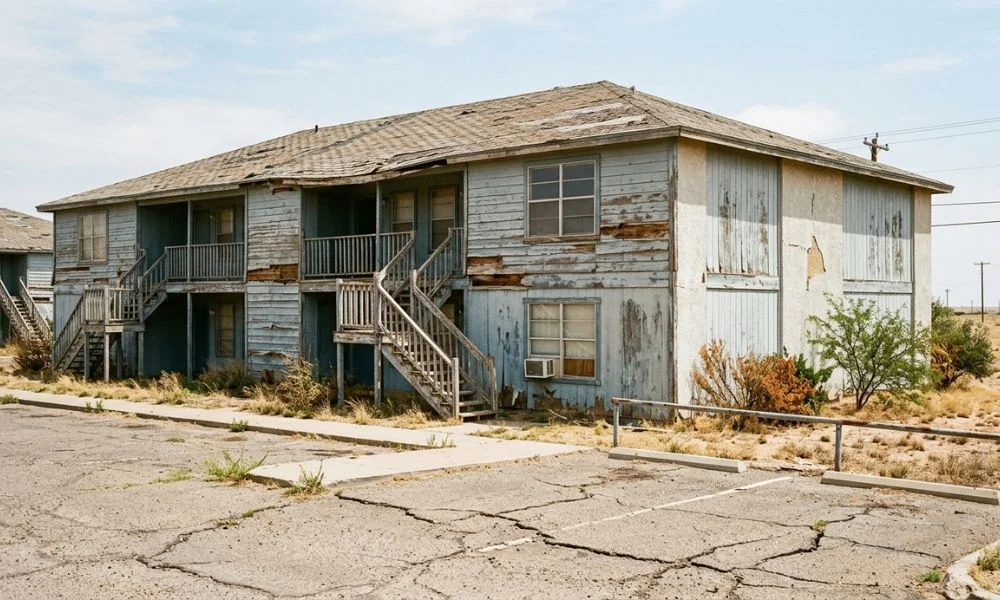
Fannie Mae has initiated legal action against Daniel Woodford and Charles Triska, the guarantors of a troubled multifamily loan linked to the Coronado Hills Apartments in Big Spring, Texas. The complaint, filed on September 16, 2026, reveals troubling conditions at the 68-unit property, where almost 25% of the units are now deemed uninhabitable.
The loan in question totals $2.76 million and was granted to AZ Wealth Big Spring, LLC, with the original lender being ORIX Real Estate Capital, trading as Lument Real Estate Capital. Fannie Mae currently holds the loan note and insists the servicing arrangements remain with the original lender. These dynamics reflect ongoing tensions in real estate financing, especially concerning the responsibilities of borrowers under multifamily loans.
Property Condition Assessment Findings
An initial property assessment conducted in July 2025 identified an urgent need for repairs amounting to $384,825, citing issues like unlabeled electrical work, damaged roofing, and structural deterioration. In September 2025, Fannie Mae’s servicer demanded corrective action from AZ Wealth Big Spring, including a deposit of the required funds within 30 days. However, the borrower failed to comply, raising questions about the management capability of the property owner.
Fast-forward to June 2026, the situation has worsened alarmingly. A follow-up assessment revealed that only about 4% of the repairs had been done, translating to roughly $16,275 spent against the initial estimates. More critically, this inspection reported an increase in projected repair costs to $606,700, marking a 58% rise. The report painted a grim picture of the complex, citing water leaks, potential mold, severe wood rot, and infestations, compelling 15 units to be unoccupied due to safety concerns. (And this is the part most people overlook.)
Conditions like these typically escalate quickly, contributing to reputational damage for lenders and borrowers alike. When such issues arise, it’s a stark wake-up call for stakeholders in the multifamily housing sector—the prolonged neglect of property improvements can snowball into significant financial detriments.
Mechanic's Lien and Full Recourse Implications
Central to Fannie Mae's lawsuit is a mechanic's lien worth $489,813.16, filed in August 2022 due to non-payment to a roofing contractor. Under the terms of the loan, failing to resolve such a lien can turn a non-recourse loan into a full recourse situation. This shift places the entire outstanding loan balance on the guarantors, which in this case includes Woodford and Triska, as they've personally guaranteed the loan's obligations. This is more significant than it looks; it underscores the personal financial risks that these guarantors now face.
The lawsuit alleges that the ongoing deterioration of the property constitutes waste, invoking an additional layer of liability for the guarantors based on any demonstrated losses or damages incurred. The legal implications of such waste claims can profoundly affect an investor's appetite for risk, especially in multifamily holdings where physical upkeep is critical not just to value retention but also to tenant satisfaction and overall property viability.
Legal and Financial Ramifications
In November 2025, Fannie Mae took decisive action by accelerating the loan and is currently pursuing not only the outstanding balance but also damages that cover interest and legal fees. The claim rests on a breach of contract allegation linked to the loan guarantee. This scenario serves as a stark example for multifamily lenders and their guarantors, emphasizing the risks posed by unresolved liens and property maintenance pitfalls. After all, when obligations under a guarantee are called into question, it’s not just the financial accountability that’s at stake but also the broader implications for market confidence and lending practices.
The claims within the litigation remain allegations at this stage, with the court yet to assess their validity. While the case unfolds, it serves as a stern reminder of the fragility of financial arrangements in multifamily properties.
Future Outlook and Implications
As this legal battle unfolds, you can expect broader ramifications within the multifamily financing market. Investors and lenders will likely pay closer attention to the condition of their collateral, recognizing that failing to maintain property standards could lead to significant financial and legal troubles. It's a robust alert for those managing similar properties—failure to act swiftly can escalate simple repairs into complex legal liabilities.
The significance of such cases echoes across the industry, reinforcing the need for meticulous property assessments and ongoing maintenance strategies. If you're working in this space, you'll have to adopt a proactive stance on property management to mitigate risks. Clarity around responsibilities and fostering communication among stakeholders can make all the difference in avoiding a scenario like the one facing the Coronado Hills Apartments.
Discussion
Sign in to join the discussion.