Construction of New York City's inaugural light rail line, linking Brooklyn and Queens, is set to begin, improving transit access for underserved areas.
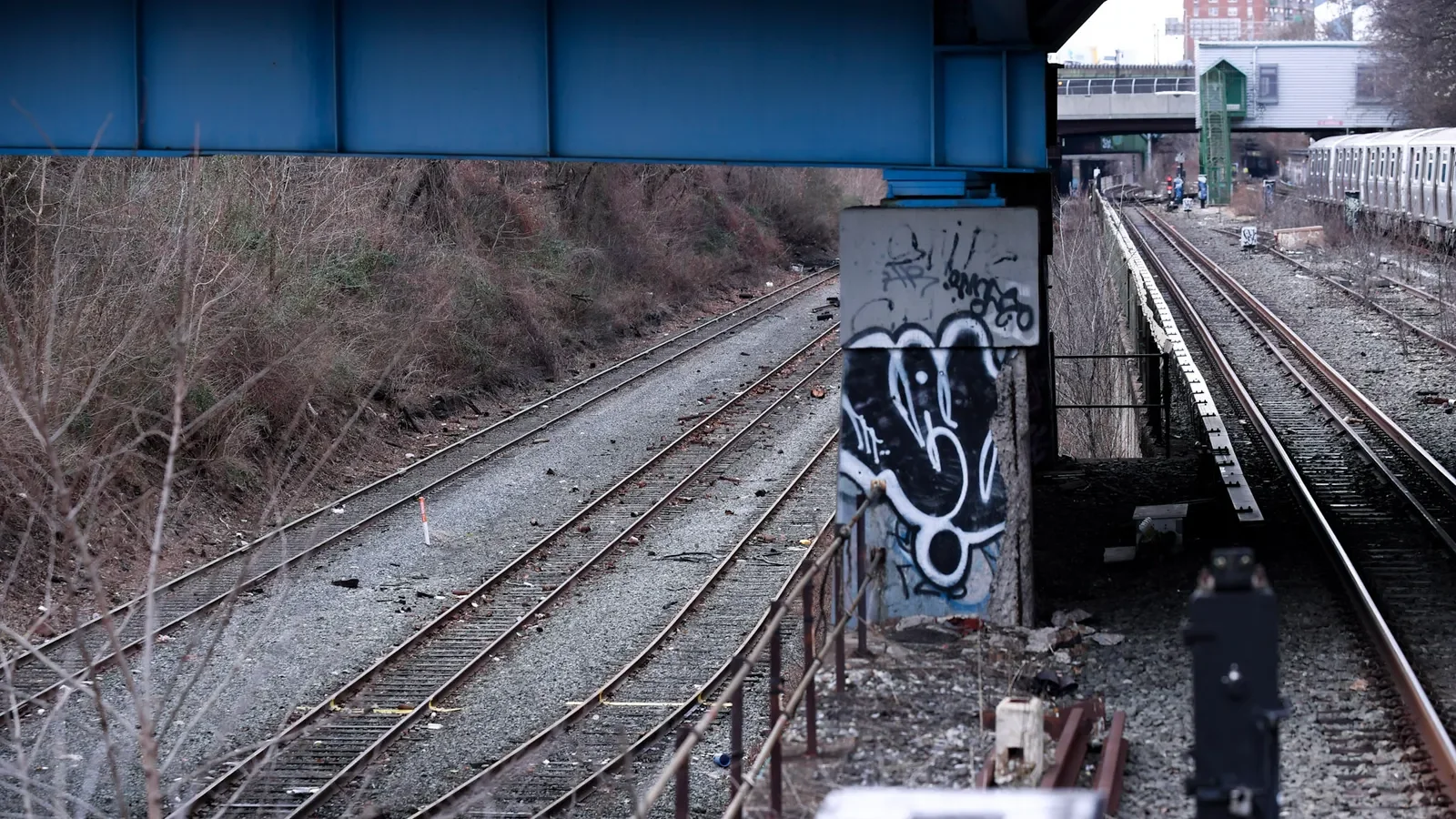
The Metropolitan Transportation Authority (MTA) is gearing up to launch New York City's first light rail project, a significant move towards enhancing public transportation options for the boroughs of Brooklyn and Queens. The proposed $5.5 billion line will stretch 14 miles and aims to connect historically underserved communities with vital transit links.
Key Project Details
- The environmental impact statement for the interborough express train is expected to be published by the end of this year, marking a crucial milestone towards the project's rollout.
- Upon completion, the line will interface with 17 subway routes and the Long Island Rail Road, providing a much-needed transit solution for local residents.
- Design and engineering work is currently underway, anticipated to continue into 2027. MTA Chair and CEO Janno Lieber estimates that actual construction could take around five years, with completion timelines depending on design specifications and funding availability.
Operational Insights
This light rail will be the MTA’s inaugural venture into light rail transit, a mode already operating in cities like Seattle and Denver. It is designed to be both cost-effective and feasible, according to a New York state scoping document detailing the project.
Construction will occur alongside an existing freight rail corridor, establishing new tracks specifically for the light rail service. The MTA projects approximately 160,000 daily riders once the interborough express opens.
Funding and Accessibility Considerations
Funding for the project includes $2.75 billion allocated in the MTA's 2025-29 Capital Plan, coupled with a $45 million commitment from New York's fiscal year 2026 budget. There is also potential for federal funding exploration, as emphasized by Governor Kathy Hochul recently, who noted that state assistance may be sought if federal support falls short.
The station architecture will adhere to the Americans with Disabilities Act requirements, focusing on enhancing access at four non-compliant subway stations that connect to the light rail line. New York State Assembly Member Claire Valdez expressed enthusiasm about the project's advancement and the focus on improving accessibility in existing stations.
Historical Context
This project represents a pivotal moment in New York's transit history, as it will be the first complete rapid transit line constructed entirely within the city since 1937. As the project advances, it stands to reshape transit dynamics in Brooklyn and Queens, providing enhanced connectivity to this vibrant area of New York City.
Potential Impacts and Significance
The introduction of the light rail could signal a shift in public perception about transit offerings in the outer boroughs. Historically, public transportation has been perceived as heavily concentrated in Manhattan, leading to challenges in accessing jobs, education, and healthcare for residents in Brooklyn and Queens. This new line might change that narrative, providing a much-needed transit solution that directly serves these communities.
If you're working in this space, understanding the implications of this project is essential. The intent to connect underserved neighborhoods reflects a growing awareness among city planners about the importance of equitable public transportation. And there's more: the focus on accessibility highlights a progressive approach to public infrastructure, ensuring that marginalized groups can also benefit from these improvements.
Moreover, with the projected 160,000 daily riders, this project is more significant than it looks. It's not just about the rail itself; it's about creating a transit culture that encourages use beyond the traditional confines of Manhattan. The long-term success of this project may very well depend on its integration with existing systems and whether it fosters a seamless experience for riders.
(And this is the part most people overlook) — the importance of community engagement in shaping the project. As plans roll out, it's vital that feedback from local residents informs the project's evolution. This inclusion could mitigate potential opposition and heighten public support, ensuring the line meets the community's needs effectively.
While federal funding remains uncertain, a concerted state effort to back this initiative could bolster its financial viability. This could, in turn, set a precedent for future large-scale transportation projects in the city, highlighting a model where state and local resources converge to enhance public services.
Discussion
Sign in to join the discussion.