Data Center Construction Surge Bolsters Contractor Backlog Recovery
Published Sep 16, 2026995 readers
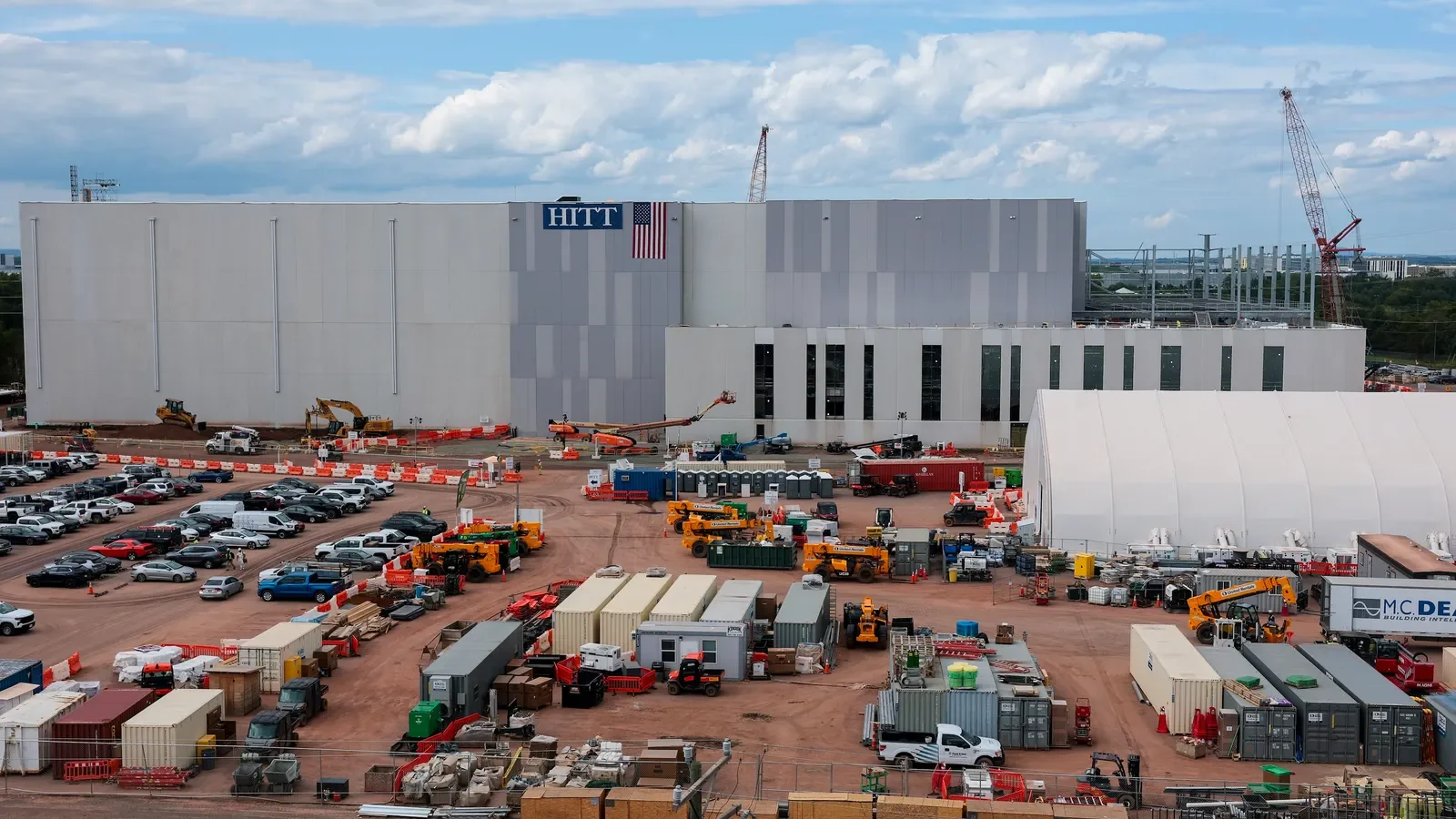
Data centers are driving a rebound in construction backlogs, with one in six contractors engaged in this booming sector amid labor supply challenges.
Data Center Sector Driving Construction Backlog Recovery
The surge in data center construction has proven vital for contractors navigating a market marked by slowing activity in other segments. Following a cyclical low last month, the construction backlog rebounded to about 8.5 months in August, according to the Associated Builders and Contractors (ABC). This shift underscores an important trend: while overall construction activity softens, data centers are keeping many contractors engaged and busy.
But why exactly are data centers becoming the focus? Digital transformation across industries has escalated the demand for robust data storage solutions. As businesses increasingly migrate to cloud-based infrastructures and utilize services ranging from AI to e-commerce, the need for data centers becomes not just beneficial but essential. This shift in technology adoption is defining a new era in construction, where data centers emerge as front-runners amidst a backdrop of fluctuating demand in other construction sectors.
In a recent assessment, Anirban Basu, ABC's chief economist, highlighted that about one in six ABC members are actively working on data center projects—this represents the highest recorded proportion. While the overall backlog remains below previous months' levels, the uptick in data center-related work signals a healthy and growing demand in this niche. More importantly, August also brought notable parity among contractors; a broader range of firms began to secure data center contracts, which reduces the disparity between successful and unsuccessful bidders.
(And this is the part most people overlook.) This diversification is crucial. When a wider array of contractors is involved, it fosters a more competitive environment. This can lead to innovation in construction methods and potentially drive costs down, benefitting clients seeking data center services. There's a dynamic here that underpins the industry's resilience.
Not All Firms Equally Benefiting
However, not all firms are sharing in the gains equally. Companies engaged in data center projects reported an average backlog of approximately 9.9 months, in stark contrast to only around 8.3 months for contractors not currently working in this area. This disparity points to a two-tiered market developing within the construction industry. Those firms that can capitalize on the data center boom are thriving, while others risk stagnation.
In particular, larger contractors—those earning over $100 million—reported a slight backlog decline of 0.2 months. This could imply that while larger firms traditionally dominate the construction landscape, their size may also render them less nimble in adapting to the rapid changes that data centers require. Many of these larger players may be tied up in conventional projects that don't provide the same growth prospects as data centers. So, while the demand for these facilities grows, some industry giants may find themselves left behind.
Labor Supply Challenges Remain
Interestingly, as the marketplace heats up for data center construction, labor supply challenges are resurfacing. Basu noted an uptick in contractor-reported labor shortages in an ABC survey, coinciding with job openings reaching a near two-year high. This developing narrative suggests that while the demand for data center construction may appear robust, it’s simultaneously exposing the fragility of the labor market, which could hinder future growth.
Labor shortages are nothing new, but they take on a new urgency within the context of data center construction, where specialized skills are often necessary. If you're working in this space, understanding the labor dynamics becomes essential. Firms that don't have sufficient staffing will struggle to keep up with contracts, regardless of demand.
Moreover, the shortage of skilled labor often translates into project delays and budget overruns—a situation that could frustrate clients and contractors alike. As data centers typically require a range of expertise—from engineering to IT—contractors are in a race to attract and retain top talent in these fields. What's more, high-profile technology companies are often vying for the same specialized labor, creating a competitive hiring environment that many construction firms may find difficult to navigate.
Implications for the Future: Navigating Challenges and Opportunities
The data center sector's current expansion offers both opportunities and challenges for contractors. This is more significant than it looks; the resilience shown by the data center construction market could set the stage for a more diversified construction industry overall. If the trend continues, we could see a gradual shift where traditional construction sectors become secondary to data solutions.
Contractors operating in this segment need to strategize—not just on project acquisition but also on workforce planning. Labor constraints could become a significant headwind once again; those able to adapt will maintain their competitive edge. Companies that proactively address labor shortages might find themselves rewarded, paving their path to future success. Keeping an eye on how this dynamic evolves will be essential for firms aiming to maintain momentum in this critical arena.
As the data center boom continues, monitoring shifts in labor availability, costs, and project demands will provide valuable insights. This sector is a litmus test for the broader construction market's health. If it continues to perform well, it might just spark a renewed confidence across other construction sectors. Conversely, a downturn in this niche could exacerbate vulnerabilities. The balance of opportunity and challenge is precarious, and firms must be prepared for both.
Discussion
Sign in to join the discussion.