A recent ruling by Pennsylvania's Superior Court clarifies that borrowers cannot leverage RESPA notices to contest foreclosures, reinforcing lender rights.
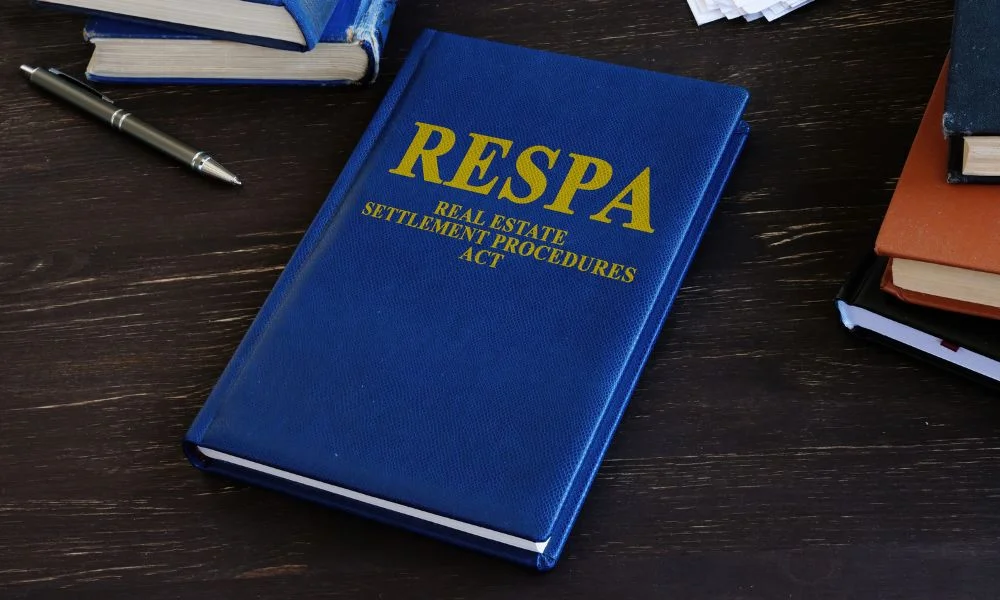
Pennsylvania's Superior Court has made a significant ruling indicating that borrowers cannot leverage notices of error under the Real Estate Settlement Procedures Act (RESPA) to circumvent foreclosure actions, thus advancing lender positions in similar cases.
The Context of the Ruling
This ruling, delivered on September 2, 2026, affirmed a summary judgment in favor of the US Bank National Trust Association in a foreclosure matter originating from Lancaster County. For many in the industry, this decision could signal a tightening of borrower protections, especially considering the growing number of foreclosure actions amid rising interest rates and economic pressures faced by homeowners. The implications from this ruling are substantial; not only does it shape the current understanding of RESPA, but it also sets a judicial precedent that could influence future legal battles between borrowers and lenders.
The Mortgage and Its Journey
The mortgage in question dates back to March 7, 2003, involving a $432,000 loan secured by a Lancaster property through Consumer Mortgage Services, Inc. Understanding the history of this mortgage adds depth to the case. The note carried an initial interest rate of 6.125%, with monthly payments set at $2,624.88 until a final payment scheduled for April 2033. As is common with many loans from that era, ownership transitioned several times. The eventual assignment of the mortgage to US Bank raised questions about the legality of the process. However, this case has reinforced the notion that as long as the mortgage was properly assigned, the current holder, in this case US Bank, maintains the right to enforce it, regardless of prior assignments.
Details of the Foreclosure Proceedings
US Bank's foreclosure proceedings commenced in May 2023. The homeowner, representing herself, raised several arguments in her appeal. These included claims of defective assignment, violations of federal and state lending regulations, and failures by the bank to respond to her error notifications. She also asserted that there was an incorrect accounting of over $200,000 in payments that remained uncredited. These types of claims are increasingly common, especially from borrowers who feel inadequately represented or listen to unfulfilled promises from lenders. While her arguments sound valid on their surface, they were not enough to sway the court.
Dissecting the Court's Findings
However, the court systematically dismissed these arguments. A key aspect of the ruling focused on standing: the court determined that a borrower cannot contest a mortgage's assignment unless they can prove that the alleged defects caused harm. The distinction here is pivotal and sometimes overlooked. If you're working in this space, it becomes clear that simply alleging an error or fraud isn't sufficient for legal recourse; the borrower must explicitly connect alleged flaws to real harm or damages. In this case, the homeowner could not demonstrate any injury stemming from the assignments. Furthermore, her allegations regarding fraud and faulty assignments were ineffective, as the court clarified that such duplicate transfers held no legal relevance. This underscores a hard truth: many borrowers' defenses might lack the substantive evidence required for a successful challenge.
Implications of RESPA on Borrower Defenses
Importantly, this ruling clarifies the implications of RESPA for borrowers. While the law does allow borrowers to seek damages for servicing mistakes, it does not provide a legitimate defense against foreclosure in state courts. In essence, the court concluded that procedural missteps by lenders do not automatically grant immunity to borrowers facing foreclosure. This distinction could have ripple effects across Pennsylvania, affecting how borrowers decide to defend against foreclosure actions. Moreover, any claims based on notices filed in 2017 were deemed too late to be considered, given RESPA's three-year statute of limitations. This is more significant than it looks; it highlights the importance of acting swiftly when pursuing legal recourse.
The Homeowner's Admissions and Their Consequences
The homeowner's defense regarding default was undermined by her own admissions in court where she acknowledged US Bank's rightful ownership of the note and agreed that her payments ceased after 2017. This is a critical point; it not only weakened her case but also raised questions about the preparedness of borrowers representing themselves. The court concluded that her vague assertions regarding accounting discrepancies failed to reflect a genuine dispute that would warrant a trial. This reveals a potential issue: self-representation might not always yield favorable outcomes, especially when one lacks familiarity with the complexities of mortgage laws and court procedures.
Looking Ahead: The Significance of the Ruling
Consequently, the judgment was upheld, with the current holder of the mortgage officially acknowledged in the proceedings. This outcome could signal to lenders and their representatives that the courts are currently favoring lender rights in foreclosure cases. As economic conditions fluctuate, particularly with inflationary pressures and housing market volatility, such rulings may embolden lenders further. This trajectory might discourage borrowers who are already wary of their standing against institutions with legal resources at their disposal. As the battle between lenders and borrowers continues, one thing is clear: the interpretation of laws like RESPA will remain central to these conflicts. The way forward is uncertain, but one thing's for sure—those in the real estate sector must pay close attention to similar rulings to understand their potential impacts on both sides of the equation.
Discussion
Sign in to join the discussion.