Data center investments are propping up nonresidential construction amidst overall declines, highlighting the need for market diversification.
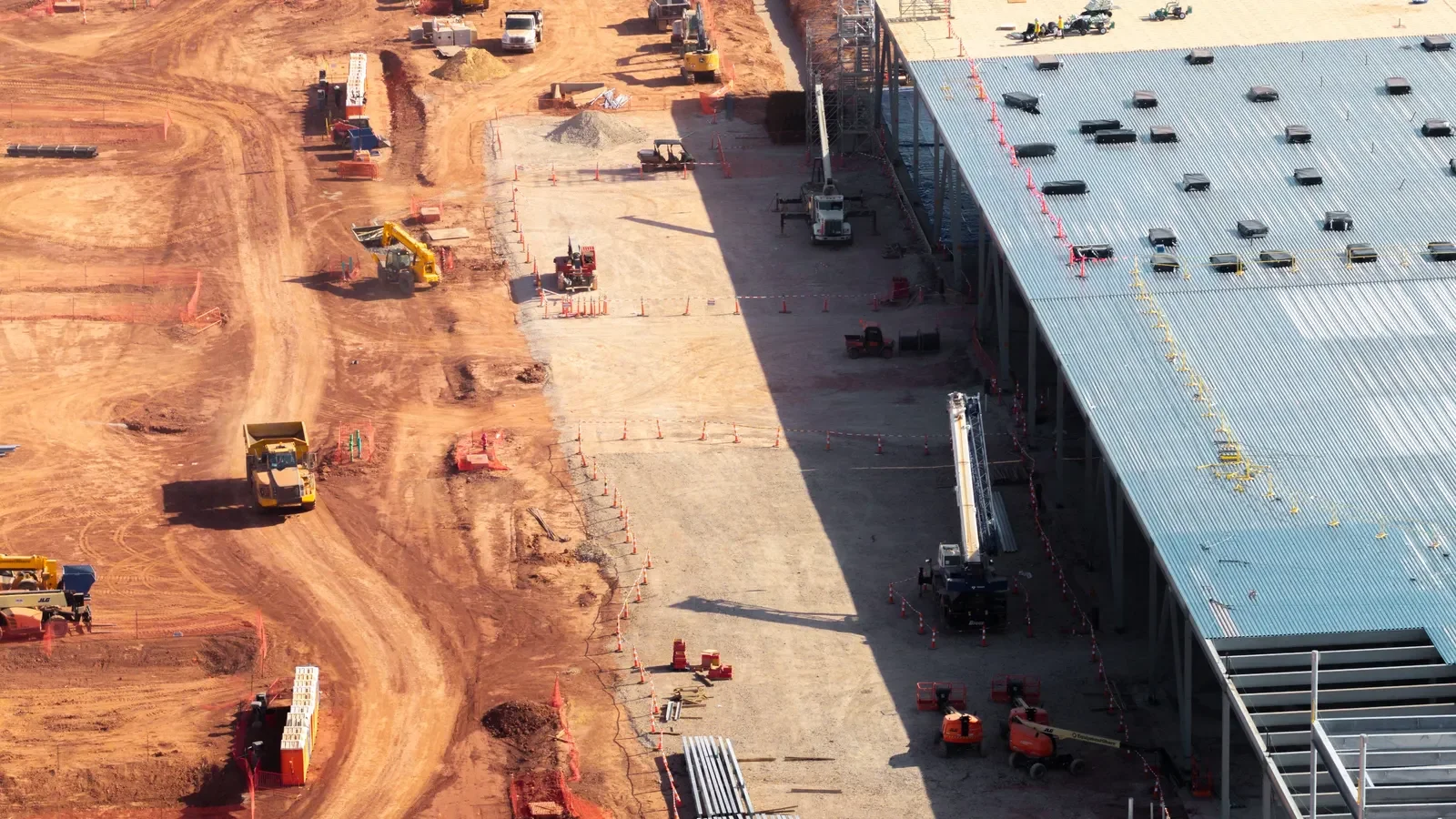
The Data Center Surge: A Pillar in Weakening Nonresidential Construction
The dramatic rise in data center construction spending underscores a troubling trend in the larger nonresidential sector: while these high-tech facilities flourish, other areas are struggling. According to the September 2026 report from the U.S. Census Bureau, July saw a 0.5% dip in total construction spending, adjusted to an annualized rate of $2.17 trillion. Anirban Basu, Chief Economist at the Associated Builders and Contractors (ABC), emphasized the stark reality: excluding data center investments, nonresidential construction has plummeted, hitting its lowest level since September 2023. This stark contrast raises questions about the health of the broader construction market and what it means for various stakeholders involved.
Data Centers Drive Spending Growth
The continued investment in data centers has played a crucial role in influencing the overall increase in private nonresidential construction spending, which saw a month-over-month uptick of 0.4%. However, public sector spending took a hit, declining by 0.2%. The trends show an increasing dependence on data center activity for growth in this sector. For industry observers, this heavy reliance on one type of facility highlights a precarious situation; without the driving force of data centers, nonresidential spending could’ve faced its second consecutive month of decline. This reality poses challenges that investors and contractors must navigate with caution.
If you're working in this space, you'll want to take a closer look at how this data center boom might influence your investments and project planning. The ABC’s analysis indicates that the surge in construction was chiefly due to this sector, pinpointing potential vulnerabilities in the market. The rapid acceleration in the artificial intelligence segment, with its corresponding demand for immense power resources, has certainly fueled the push for more data centers. Yet, this singular focus increases exposure to risks that could arise if market conditions shift adversely—think along the lines of a sudden decrease in demand or tightened regulations on tech infrastructure.
What this means for contractors is significant. There’s an evident push toward meeting the exhilarating demand for data centers, but a cautionary note rings through the analysis. The market’s reliance on this one segment can lead to destabilization. As the industry rides the wave of this tech-focused construction boom, it must remain vigilant against the potential consequences of such narrow focus. A proliferation of data centers might prop up this segment of construction today, but what happens when the tide turns?
Implications and Observations
Basu's remarks highlight a critical insight: "Nonresidential activity is even more concentrated given that the power category... has also grown substantially over the past year." This statement reveals a nuanced issue: while the data center construction boom creates jobs and spurs investment, it simultaneously skews market dynamics heavily in one direction. A construction market that thrives in diversity offers greater economic stability, whereas being overly reliant on a single sector introduces unwelcome volatility into the mix—if demand falters or new trends arise that eclipse data storage needs.
Contractors and developers must navigate this dual narrative. As they tap into this burgeoning data center market, a sense of balance is essential. Understanding the unsustainable nature of relying solely on data center facilities could help businesses in this field pivot and strategize towards more diversified engagements. The construction industry would benefit from looking beyond data centers to create a more resilient and varied portfolio of projects. This approach could reduce the industry’s vulnerability to external shocks—be they economic downturns, technological changes, or shifts in client demands.
(And this is the part most people overlook) – the central takeaway here is clear: while data centers may currently be the lifeblood of construction growth, the industry's future resilience relies on expanding its focus into other sectors. This need for diversification isn’t simply a matter of strategic response; it’s about fostering a more balanced and sustainable economic environment that can withstand the pressures of time and changing demands.
Future Outlook: What Comes Next?
Looking ahead, the increasing demand for data centers will likely continue to shape the construction sector. However, that doesn't mean other areas should languish in the background. The industry could see a push toward hybrid facilities or mixed-use developments that incorporate data centers alongside other commercial or residential modules. This strategy would promote more balanced growth, as well as expand contractors’ revenue streams.
That said, the question remains whether this dependence on data centers is sustainable long-term or simply a short-term response to a tech-driven world. The industry's landscape is evolving, with advances in technology potentially altering how data is stored and processed. If new solutions emerge that reduce reliance on physical infrastructure, the contractors and developers who focused solely on data centers might find themselves at a disadvantage.
There's a growing narrative that other sectors—like green building initiatives, healthcare, or even leisure—could experience surges fueled by shifts in consumer preference and policy changes. As the construction sector fortifies its footing, it’s essential to maintain awareness of these potential transitions while adapting strategies to explore new opportunities.
In short, the risk of overdependence on data centers is real, and the landscape will ultimately require a dynamic interplay of sectors to ensure healthy growth moving forward. Keeping a watchful eye on emerging trends could help industry players maneuver through complexities and thrive, rather than just survive.
Discussion
Sign in to join the discussion.