Fed Chair Kevin Warsh emphasizes the need for interest rate hikes to curb persistent inflation while signaling confidence in a stable economy.
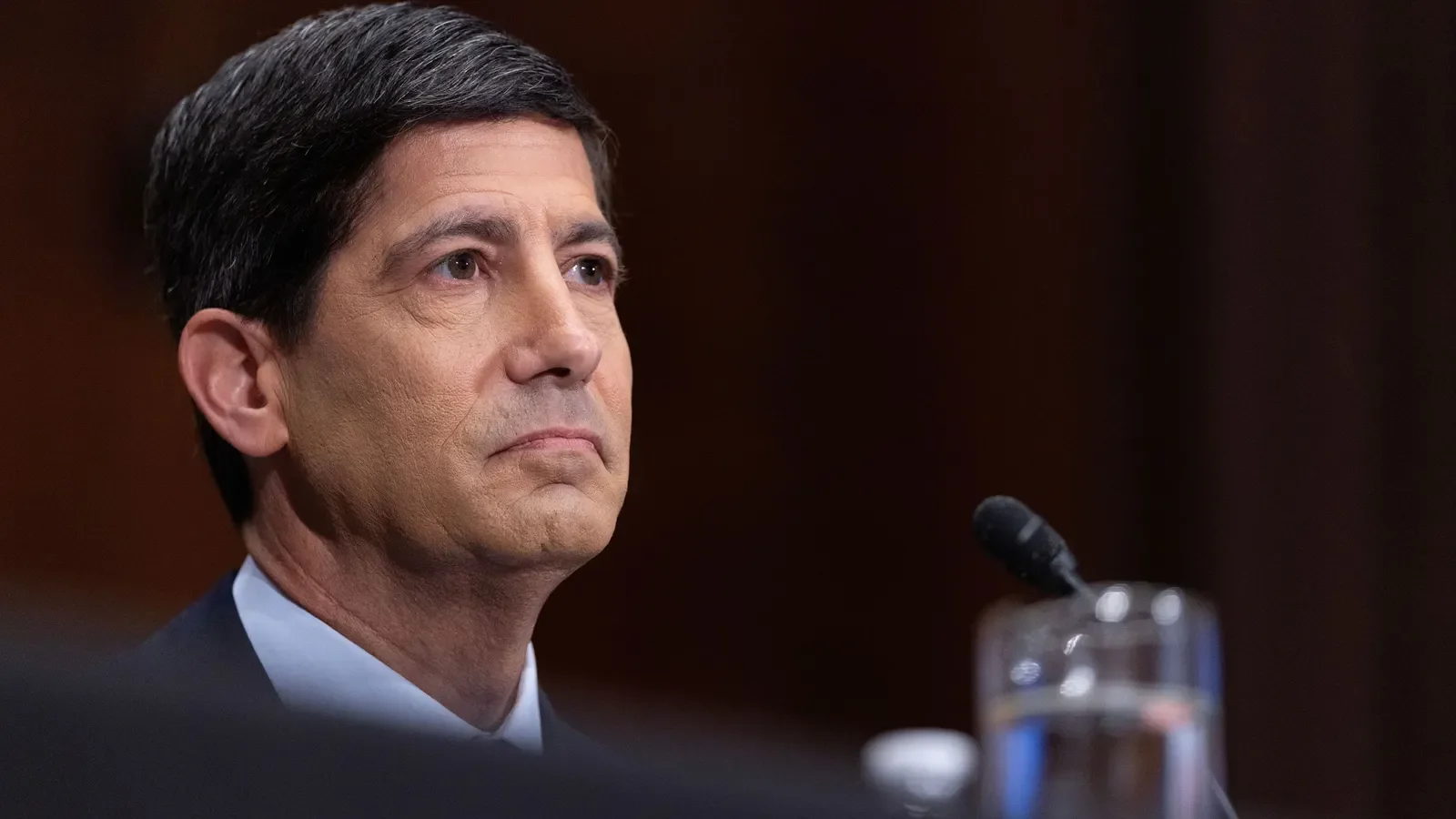
Federal Reserve Chairman Kevin Warsh expressed a strong commitment to reducing inflation, which has consistently remained above the central bank’s target of 2% for over five years. He indicated the possibility of higher interest rates at the upcoming Federal Open Market Committee (FOMC) meeting scheduled for September 15-16.
During his recent remarks, Warsh described current financial conditions as not overly restrictive, even as he acknowledged the importance of addressing rising prices. He stated, "We must be confident that underlying inflation is moving to our objective, clearly and at sufficient speed. Otherwise, we have work to do. That's our job...our mandate...and our charge to keep.” His insistence on the gravity of these inflation rates suggests a belief that the Fed must take decisive action, a stance reflecting a growing urgency in the face of sustained economic challenges.
Market Reactions and Future Predictions
Following Warsh’s comments, futures traders responded by increasing the likelihood of a rate hike next month, with projections now suggesting a 57.5% chance compared to just 35.4% the previous day, according to data from CME Group's FedWatch Tool. This spike in expectations shows not just a knee-jerk reaction, but also reflects broader market sentiments about the necessity of taming inflation before it spirals further out of control.
That said, some analysts argue that the market overreacted. EY Chief Economist Gregory Daco pointed out that it’s unclear if Warsh is definitively calling for a hike. He added, "It is not obvious that Warsh is in the hike camp,” referencing broader discussions from the July FOMC minutes. This uncertainty casts a shadow over market confidence, underscoring that while traders may see rate hikes as imminent, the signals from the Fed can be clouded by varying interpretations of its officials’ rhetoric.
Concerns about persistent inflation were echoed by three Fed officials who opposed the decision to keep interest rates unchanged last month, advocating for a quarter-point increase in the federal funds rate, currently ranging between 3.5% and 3.75%. Analysts highlight that inflation trends, alongside recent economic indicators and employment figures, seem pivotal in shaping the Fed's upcoming decisions. The arguments made by these dissenting Fed members suggest a rift within the board over how to handle inflation, adding another layer of complexity to monetary policy discussions.
Current Economic Conditions
Warsh pointed to positive economic signs, citing stability in the labor market with the jobless rate hovering at 4.1%. This rate remains low by historical benchmarks and has shown little fluctuation over the past couple of years. “I am impressed by the overall performance of the economy, which appears to have strengthened,” he remarked. This acknowledgment of economic resilience will likely comfort some investors; yet, many experts argue that such stability could mask underlying issues, especially if inflation remains unchecked.
Even as Warsh celebrates the job market's relative health, the Federal Reserve’s preferred inflation measure, the personal consumption expenditures price index, edged up by 0.2% in July, reflecting a year-over-year rise of 3.3%. Such numbers provide a mixed picture of economic vitality. While employment figures may suggest a steady economy, rising consumer prices elevate concerns about purchasing power and living costs. Warsh was clear about the Fed's accountability, stating, “the responsibility for 65 months of sustained, elevated inflation sits squarely with the central bank. And that is where it belongs.” This is more significant than it looks; it not only highlights the Fed's pivotal role but also marks a growing pressure on it to correct its past mistakes.
Even as inflation persists, Fed policymakers—including Boston Fed President Susan Collins—expressed readiness to raise rates if necessary to rein in prices. However, the decision process remains fraught with challenges. The key inflation drivers include global factors such as tariffs, the U.S.-Iraq conflict, and ongoing investments in artificial intelligence. (And this is the part most people overlook.) These external influences complicate the Fed's task, making it harder to predict inflationary trends accurately.
Implications and Future Outlook
As Warsh prepares for the upcoming FOMC meeting, the focus will remain on inflation trends and economic stability. The outcome of these discussions will be crucial in determining the Federal Reserve’s approach to interest rates and overall monetary policy. If you're working in this space, you know these decisions reverberate far beyond financial circles; they impact consumers, businesses, and potentially the global economy.
With pressure mounting from various sectors to address inflation head-on, the Fed might find itself at a crossroads next month. The implications of higher interest rates are significant; they could cool off an already delicate economic recovery while attempting to stave off inflation. The balance the Fed must strike is precarious—raise rates too quickly, and you risk economic stagnation; move too slowly, and you allow inflation to run rampant.
The significance of the Fed's decisions in the coming months cannot be overstated. The trajectory of interest rates will be critical not just for the immediate future, but also for shaping long-term economic health and stability. As stakeholders watch closely, every word from Fed officials will carry weight, further influencing market behavior and consumer confidence.
Discussion
Sign in to join the discussion.