JE Dunn Construction launches a power generation unit to leverage market growth, appointing Ryan Wilson as the division's vice president.
JE Dunn Construction is set to enhance its offerings with the introduction of a new power generation unit, as announced on August 26. This initiative is a strategic response to the increasing demand for power infrastructure driven by trends such as artificial intelligence expansion, manufacturing onshoring, and aging energy systems.
Understanding the Shift in Power Infrastructure Demand
The announcement from JE Dunn reflects broader themes in the construction and energy sectors. As industries rapidly evolve—particularly with the rise of artificial intelligence—there's a pronounced need for updated power solutions. AI technologies require significant energy inputs, demanding infrastructure that not only meets current consumption levels but anticipates future growth. Manufacturing onshoring, still fueled by supply chain disruptions, also contributes to this urgency; as companies bring manufacturing back to U.S. soil, they need reliable energy sources. Moreover, the aging energy systems—a legacy of decades-old policies and underinvestment—create additional pressure on firms like JE Dunn to innovate and expand their offerings.
Leadership and Strategy at JE Dunn
The Kansas City, Missouri-based firm appointed Ryan Wilson as vice president and market lead for the new division. Wilson's journey with JE Dunn began in 2018 as a project engineer. Since then, he’s steadily progressed to senior project manager, focusing on power, industrial, and manufacturing projects. In his new role, he will collaborate closely with clients, industry partners, and internal teams to craft innovative delivery strategies and pinpoint emerging opportunities in the power sector.
Wilson's ascent within the company is a testament to JE Dunn’s commitment to cultivating talent internally. His prior experience in project management equips him with the nuanced understanding of both the technical and client-focused aspects of construction. This expertise is particularly vital in a complex field like power generation where bespoke solutions are often required. Wilson’s new role suggests a strategic pivot toward a more hands-on approach in understanding client needs and developing tailored power generation strategies.
JE Dunn's Track Record and Market Position
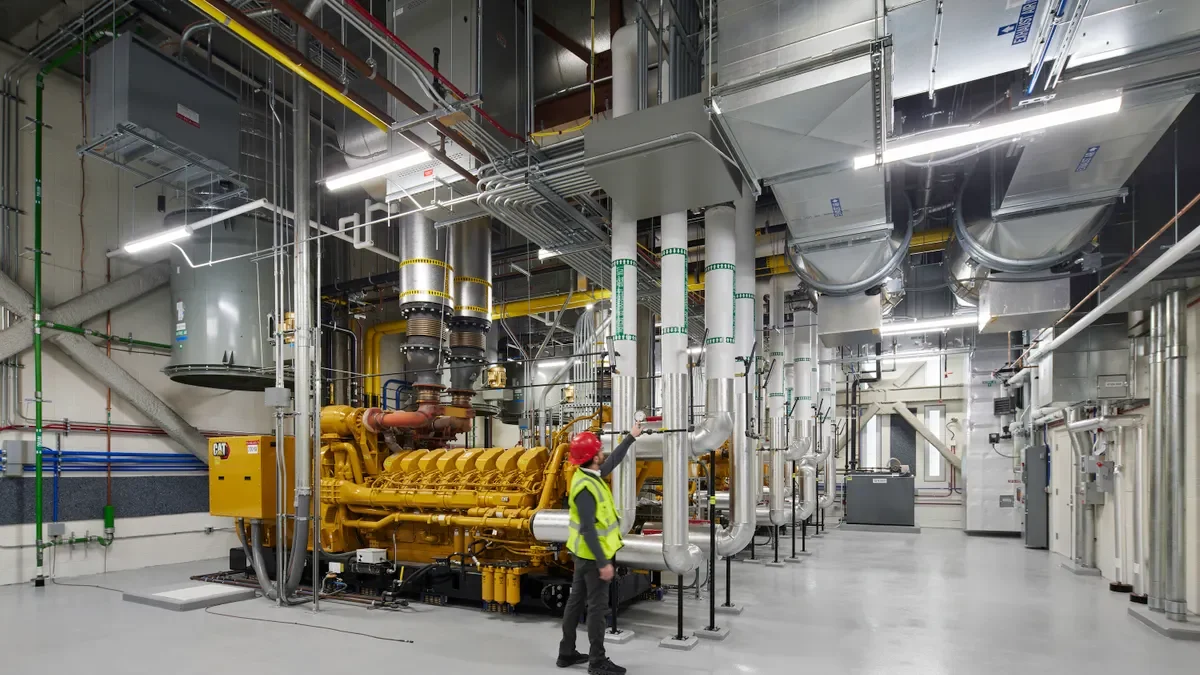
JE Dunn has a strong track record, having completed over 220 power projects across various generation methods. The company’s recent announcement indicates a focus on harnessing the growing interest in power generation. This surge is evidenced by marketplace trends including investments in artificial intelligence infrastructure and upgrades to outdated power systems.
This existing foundation gives JE Dunn a competitive edge, but the question remains: will it be enough to outpace established players? With the power sector already seeing significant investments, JE Dunn's experience could prove invaluable. The company not only has the technical expertise but also the relationships essential for collaboration in such an intricate industry.

Industry Competition and Evolving Trends
JE Dunn isn’t the only player in the power generation arena; St. Louis-based Clayco launched its power and energy unit earlier this year to take advantage of the sector's momentum. Additionally, companies like WSP Global reported that power-related work now constitutes about 35% to 40% of their U.S. revenue, indicating a dynamic shift in demand for power generation-related services.
This competitive environment suggests that merely entering the market may not guarantee success. Firms will need to demonstrate agility and capacity for innovation, particularly as more players vie for contracts and partnerships. The emergence of companies like Clayco signals a clear understanding of market potential, making it imperative for JE Dunn to differentiate itself. If you’re working in this space, keeping an eye on these competitors and their strategies can provide insights into what’s likely to work in power generation moving forward.
As builders like Kiewit and Bechtel continue to engage in substantial projects, the competition around power initiatives is heating up, and JE Dunn's new focus seems well-timed to capitalize on these trends. However, sustaining this momentum will require more than just ambition; it necessitates a concerted effort to innovate and push boundaries within the constraints of market pressures.
Future Outlook and Implications
What this means for you, the industry professional, is that the evolving demand for power infrastructure isn’t just a passing trend. It presents a sea of opportunity but also a minefield of competition. Companies that are slow to adapt might quickly find themselves outpaced by more agile rivals who seize the moment. While JE Dunn’s recent maneuvers indicate strong strategic intent, the true test will come in execution and the ability to fulfill client expectations amidst rising energy demands.
As this sector evolves, it’ll be essential for stakeholders to remain informed about the latest technological advancements and sustainability initiatives that can redefine power generation. The interplay of innovative engineering solutions and strategic project management will undoubtedly shape the future of this industry.
In essence, JE Dunn is stepping into a market ripe for transformation. But is this enough? The choices made today will have long-lasting impacts on its trajectory—with the potential to either secure its place as a leader or compel it to struggle against an onslaught of competitors. (And this is the part most people overlook.)
Discussion
Sign in to join the discussion.