Transforming Construction Recruitment: Embracing Diversity in the Job Market
Published Sep 01, 2026588 readers
The construction industry must rethink recruitment practices to include underrepresented communities, fostering a more welcoming and inclusive workforce.
Rethinking Recruitment in Construction
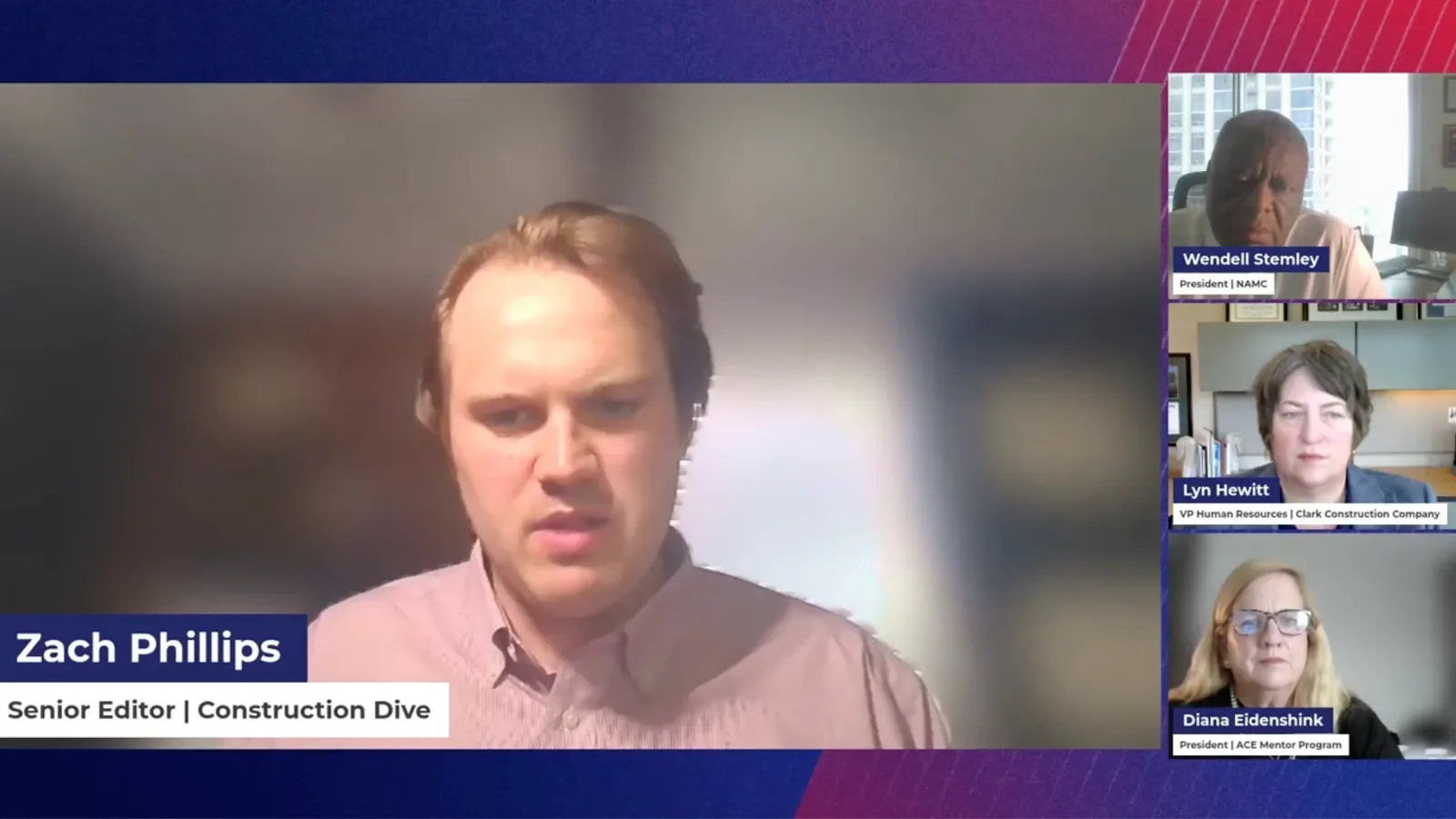
The construction industry stands at a crossroads, and an impending workforce challenge might just ignite a much-needed transformation. As discussed during Construction Dive’s recent virtual event, many industry experts emphasize the importance of integrating underrepresented communities into the labor pool. This isn’t merely a theoretical discussion; it’s about real opportunities that could reshape how contractors approach hiring.
Lyn Hewitt, HR Vice President at Clark Construction Co., captures the urgency of the situation succinctly: “We need to cast a wider net.” In other words, traditional recruitment methods simply aren’t enough anymore. To attract diverse talent, contractors must rethink job site protocols, making them more adaptable to the needs of potential workers.
Wendell Stemley, the president of the National Association of Minority Contractors, draws attention to specific barriers that keep local talent from even considering construction roles. He highlights a pressing issue: scheduling conflicts with public transportation can alienate potential workers. For instance, during a major project at Chicago O’Hare International Airport, the start times clashed with bus schedules, effectively sidelining qualified applicants. “People were excluded from working simply because there wasn’t a connection of minds,” he notes. This underscores the necessity for companies to adopt a more nuanced understanding of how their practices impact community engagement.
Creating Inclusive Spaces
Yet, it isn't just about recruitment; it involves making job sites welcoming for all. Diana Eidenshink, president of the ACE Mentor Program of America, points out that while progress has been made since the 1990s, there’s distinctly more work to be done. She cites the need for basic standards, like maintaining clean portable restrooms, which may seem trivial but are critical for fostering an inclusive environment.
Moreover, tackling workplace behavior is essential. According to Eidenshink, implementing a zero-tolerance policy for inappropriate behavior is vital. Stemley builds on this, suggesting that intimidation should be classified as a safety violation. This shift isn’t just about compliance; it’s about creating accountability throughout the workforce. Allowing such issues to percolate unaddressed only impedes the industry’s progress toward inclusivity. He argues, “You don’t want to get bogged down in an EEOC debate... These behaviors need to be safety violations to ensure accountability.”
What’s Next for Diversity and Inclusion?
The conversation about diversity, equity, and inclusion isn’t losing steam despite shifting political climates. Many construction professionals, like Hewitt and Eidenshink, assert that the industry’s commitment to these values must transcend political fluctuations. The long-term strategy, as Hewitt emphasizes, should be actions rooted in genuine intent.
Positive strides forward in the industry won't happen overnight, but the implications of these discussions are profound. If businesses can successfully adapt to be more inclusive and responsive to community needs, the benefits could far exceed merely filling job vacancies. The broader impact is an enriched workforce that can drive innovation and improve the overall health of the construction sector.
As these discussions continue, it's clear that constructing a more inclusive environment isn't just an aspiration—it's an urgent necessity that could redefine how the construction industry operates for generations to come.
Looking Ahead: Building a Sustainable Workforce
The dialogue around diversifying the construction workforce isn't just talk; it’s a pressing necessity. The ongoing labor shortage in the industry presents an opportunity for contractors to actively engage with underrepresented communities. This isn’t merely a recruitment strategy—it's a pathway to fostering inclusivity that can strengthen the entire sector.
Here’s the concern: many contractors might still hesitate, seeing this as a challenge rather than a sustainable solution to their workforce issues. The risk of overlooking these communities isn't just about filling positions; it’s about missing out on fresh talent and perspectives that can drive innovation. By creating a welcoming environment for diverse applicants, companies can enhance their creativity and adaptability, leading to better project outcomes.
What does this mean for you if you’re watching trends in real estate and construction? Embracing a diverse workforce seems like an uphill battle, but it's one that brings significant rewards. Firms that prioritize inclusivity can attract a wider talent pool and potentially tap into new markets. As communities grow and shift, aligning with these changes can position companies favorably for future projects.
That said, it’s equally important to acknowledge the steps needed to facilitate this change. It requires commitment, reflecting on current practices, and investing in education and outreach programs tailored for these communities.
If the construction industry seizes this moment to pivot toward inclusivity, it can help close the skills gap while also transforming public perception of the sector. Fostering genuine connections and building trust with historically underrepresented groups could redefine workforce dynamics for years to come. The future of construction hinges on whether we can build bridges between communities and the industry.
Discussion
Sign in to join the discussion.